When to Replace a Faulty or Damaged Air Filter
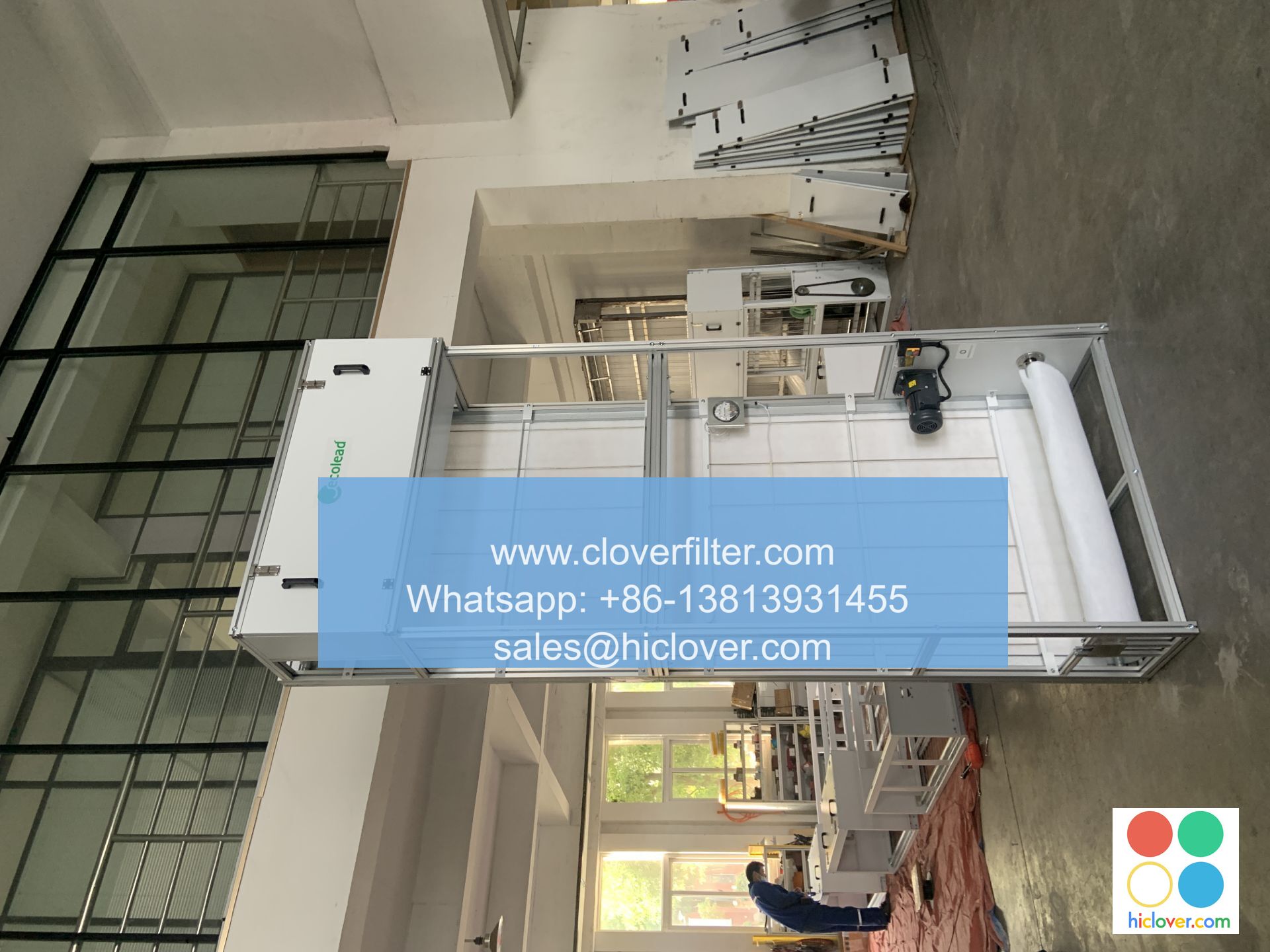
Air filters play a crucial role in maintaining the quality of air in our homes, heating, ventilation, and air conditioning (HVAC) systems, and industrial applications. A faulty or damaged air filter can lead to a range of problems, including reduced airflow, increased energy bills, and compromised indoor air quality. In this article, we will discuss the importance of replacing a faulty or damaged air filter, and provide guidance on when to do so.
Signs of a Faulty or Damaged Air Filter
There are several signs that indicate a faulty or damaged air filter needs to be replaced. These include:
* Reduced airflow: If you notice a decrease in airflow from your air vents, it may be a sign that the air filter is clogged or damaged.
* Increased energy bills: A faulty air filter can cause your HVAC system to work harder, leading to increased energy consumption and higher bills.
* Dust and debris buildup: If you notice a buildup of dust and debris on surfaces, it may be a sign that the air filter is not functioning properly.
* Unpleasant odors: A damaged air filter can harbor mold, bacteria, and other microorganisms, leading to unpleasant odors and compromised indoor air quality.
When to Replace a Faulty or Damaged Air Filter
The frequency of replacing a faulty or damaged air filter depends on various factors, including:
* Usage and application: Air filters in high-traffic areas, such as commercial buildings and industrial facilities, may need to be replaced more frequently than those in residential areas.
* Air filter type: Different types of air filters, such as HEPA filters, activated carbon filters, and pre-filters, have varying replacement schedules.
* Manufacturer’s recommendations: It’s essential to follow the manufacturer’s recommendations for replacement schedules, as this can vary depending on the specific air filter model and type.
Application Areas
Air filters are used in a wide range of applications, including:
* Residential HVAC systems: Air filters are used to improve indoor air quality and reduce energy consumption in residential homes.
* Commercial buildings: Air filters are used in commercial buildings, such as offices, restaurants, and hotels, to maintain a healthy and comfortable indoor environment.
* Industrial facilities: Air filters are used in industrial facilities, such as manufacturing plants and warehouses, to remove dust, debris, and other contaminants from the air.
* Medical facilities: Air filters are used in medical facilities, such as hospitals and clinics, to maintain a sterile and healthy environment.

Conclusion
In conclusion, replacing a faulty or damaged air filter is essential to maintain good indoor air quality, reduce energy consumption, and prevent damage to your HVAC system. By recognizing the signs of a faulty or damaged air filter and following the recommended replacement schedules, you can ensure a healthy and comfortable indoor environment. Whether you’re a homeowner, business owner, or facility manager, it’s crucial to prioritize air filter maintenance and replacement to ensure the well-being of occupants and the longevity of your HVAC system. It seems like you forgot to include the prompt. Please go ahead and provide the prompt, and I’ll be happy to help!
