Why Automatic Dust Filtration is Essential for Canberra’s Archives
Canberra, the capital city of Australia, is not only known for its political significance but also for housing a wealth of historical documents and materials in its archives. Protecting these precious resources from contamination is crucial. Automatic dust filtration systems have become indispensable in maintaining the integrity of these archives. This article explores the importance of dust filtration, its benefits, and its practical applications in Canberra’s archival settings.
The Importance of Dust Filtration in Archives
The preservation of documents, photographs, and artifacts in Canberra’s archives requires a controlled environment. Dust accumulation can degrade the quality of these materials, leading to irreversible damage. Automatic dust filtration systems serve to:
- Minimize particulate matter that can cause deterioration
- Protect sensitive documents from potential contaminants
- Enhance air quality for staff and visitors
How Automatic Dust Filtration Works
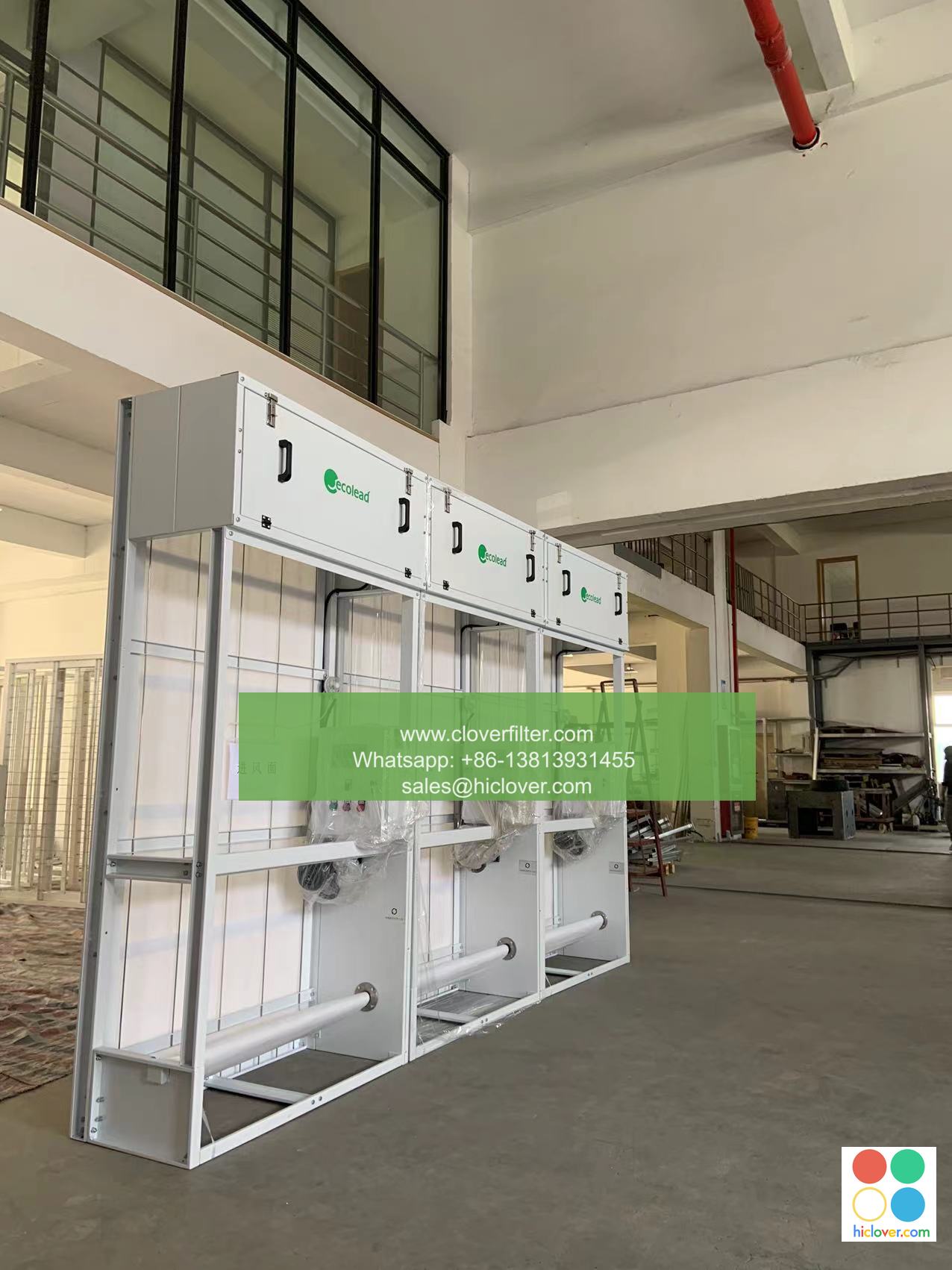
Automatic dust filtration systems are designed to remove particulates from the air efficiently. These systems often use high-efficiency particulate air (HEPA) filters capable of trapping particles as small as 0.3 microns. They work continuously, ensuring that the air within the archival environment remains clean. This is particularly beneficial in places characterized by:

- High traffic areas, where dust can be easily stirred up
- Storage rooms that house valuable collections
- Exhibition spaces with frequent visitor interaction
Benefits of Implementing Dust Filtration Systems
Integrating automatic dust filtration in Canberra’s archives has numerous advantages:
1. Enhanced Preservation of Materials
By keeping dust and other pollutants at bay, archival materials can be preserved much longer, maintaining both their physical and historical integrity.
2. Improved Staff and Visitor Health
Automated dust filtration systems enhance indoor air quality, which contributes to the overall health and productivity of staff as well as the comfort of visitors.
3. Cost-effectiveness Over Time
Though the initial investment in automatic dust filtration systems may be substantial, the long-term savings in restoration and replacement costs due to reduced wear and tear can be significant.
Application Areas in Canberra’s Archives
Automatic dust filtration systems can be applied in various areas within Canberra’s archives, including:
- Document Storage: Essential for preventing the deterioration of paper-based materials.
- Exhibition Galleries: Protects artifacts from dust and maintains a pleasant visitor experience.
- Research and Reading Rooms: Ensures a conducive environment for researchers and scholars.
Conclusion
In conclusion, the significance of automatic dust filtration in protecting Canberra’s archives cannot be overstated. Not only does it preserve invaluable historical materials, but it also fosters a healthy environment for both staff and visitors. As the challenges of air quality and contamination grow, investing in robust dust filtration systems will remain an essential aspect of archival maintenance and preservation strategies.
It seems like you might be looking for a prompt to generate creative writing, brainstorming ideas, or engaging in a specific subject. Could you please provide more details on what type of prompt you are looking for? This could include topics, themes, or genres!
