Why Automatic Roll Filters Are Essential for Food Safety in Tanzania
Introduction to Food Safety in Tanzania

Tanzania, a country rich in agricultural and food production resources, faces significant challenges in food safety. The importance of ensuring safe food for consumption cannot be overstated, especially in urban areas where foodborne illnesses can spread rapidly. One critical technology that has emerged as a solution is the automatic roll filter, which plays an integral role in enhancing food safety.
What are Automatic Roll Filters?
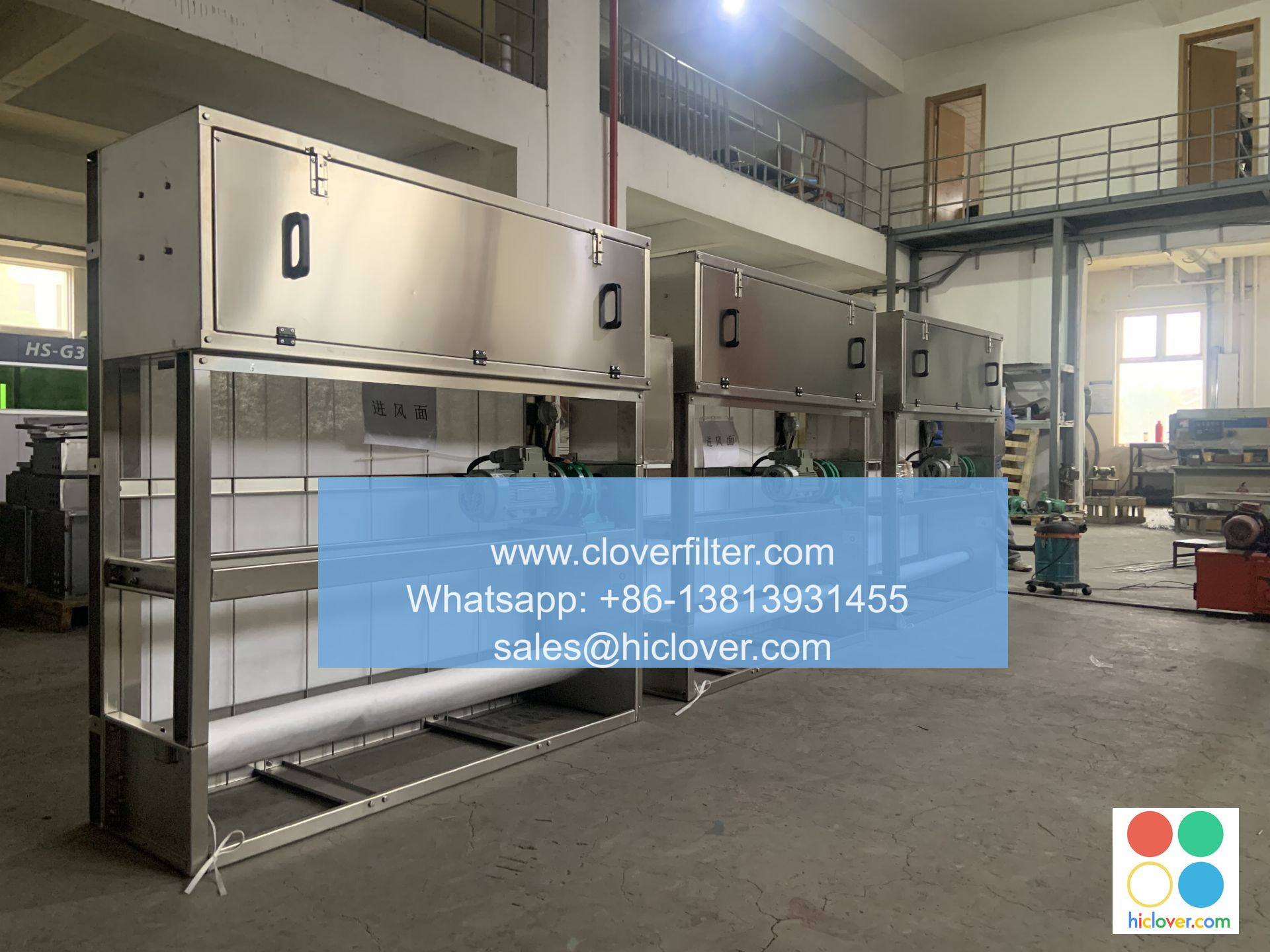
Automatic roll filters are advanced filtration systems designed to remove contaminants from liquids in various industrial processes. They consist of a revolving roll made of filter media that captures particulate matter and allows clean liquid to pass through. This filtration technology is particularly valuable in food processing, where maintaining hygiene standards is crucial.
Key Benefits of Automatic Roll Filters
In the context of food safety in Tanzania, automatic roll filters offer several significant benefits:
- Enhanced Cleanliness: Automatic roll filters efficiently remove impurities and microorganisms from food liquids, ensuring higher levels of cleanliness.
- Consistency of Quality: With automatic monitoring and filtering, the quality of food products remains consistent, minimizing risks associated with contamination.
- Cost-effective Solution: By reducing the need for manual cleaning processes and improving production efficiency, these filters contribute to lower operational costs.
- Reduced Waste: By capturing and recycling water used in food processing, these systems help reduce waste significantly.
Applications of Automatic Roll Filters in the Food Industry
Automatic roll filters have various applications in different sectors of the food industry in Tanzania:
1. Dairy Processing
In dairy processing, automatic roll filters are used to eliminate bacteria and impurities in milk and cream. Ensuring clean milk supply is essential to prevent foodborne diseases and maintain consumer trust.
2. Juice and Beverage Production
These filters are instrumental in the juice industry, where they ensure the removal of pulp, seeds, and impurities. This guarantees that consumers receive high-quality, safe products free from harmful contaminants.
3. Oil and Fat Refining
In oil refining processes, automatic roll filters help in the removal of solid particles that can compromise the purity and quality of edible oils. Ensuring clarity and safety of cooking oils is vital for both health and culinary standards.
4. Meat and Poultry Processing
As meat products are particularly susceptible to contamination, using automatic roll filters in this sector can significantly improve hygiene and safety during processing, preventing foodborne illnesses.
Conclusion: A Vital Investment for Food Safety
In conclusion, automatic roll filters are not just a modern technological advancement; they are a vital investment in the food safety landscape of Tanzania. As the nation continues to grow and evolve in its food production capabilities, ensuring the safety and quality of food products must remain a top priority. Implementing these filtering systems can lead to improved food safety standards, economic benefits for producers, and ultimately, healthier outcomes for consumers. Thus, embracing automatic roll filters is essential for promoting a safer food environment in Tanzania.
It seems like you might want to provide a specific prompt or topic for me to respond to. Please share more details or clarify what you’re looking for!
