Why Replacement Air Filters Can Help Reduce Allergies
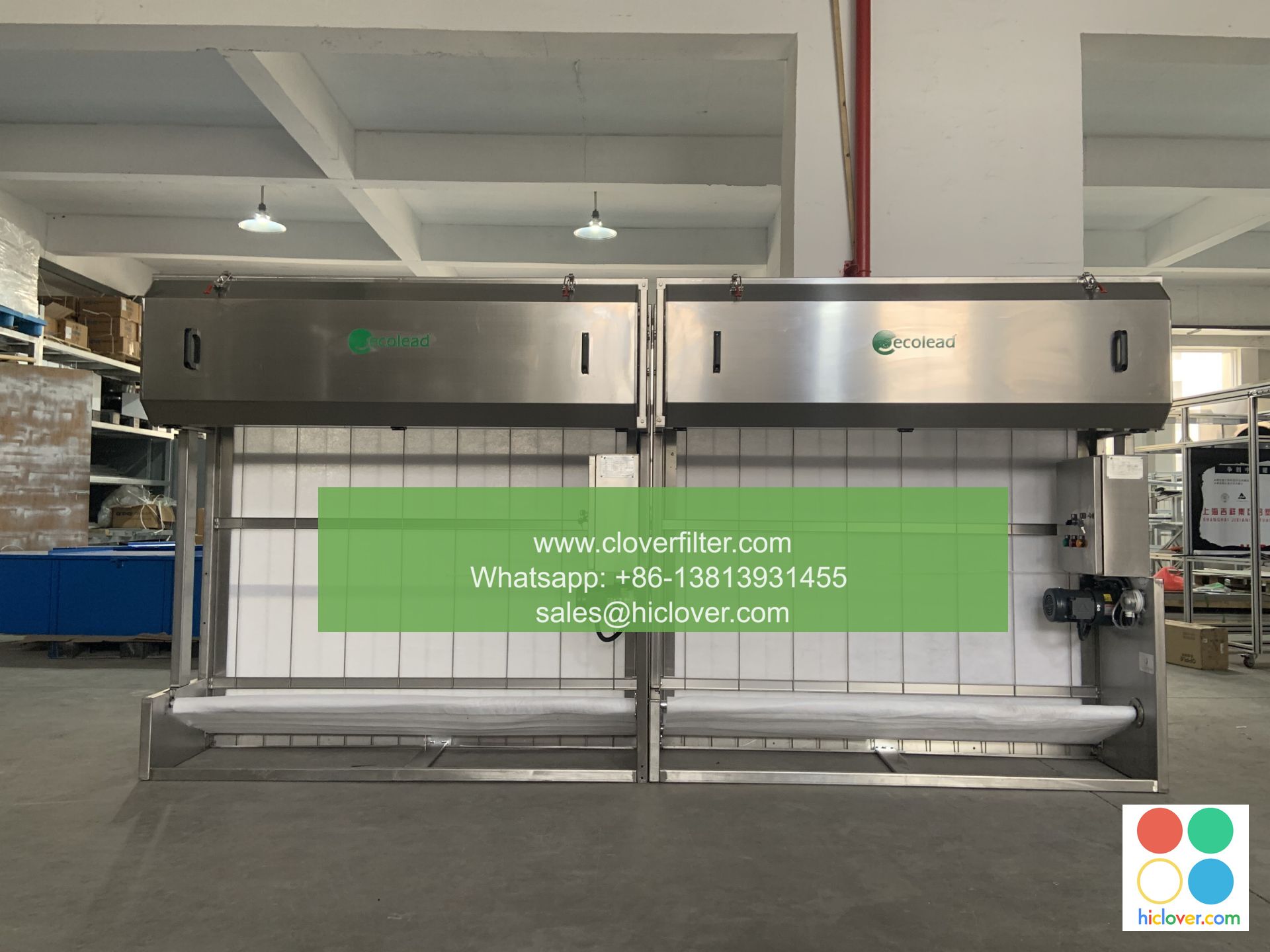
Allergies affect millions of people worldwide, causing discomfort and impacting daily life. One effective yet often overlooked solution is the use of replacement air filters in various environments. This article will explore how upgrading your air filters can significantly improve indoor air quality and potentially alleviate allergy symptoms.
The Connection Between Air Quality and Allergies

Many common allergens, including dust mites, pet dander, pollen, and mold spores, float in the air we breathe. Poor indoor air quality can exacerbate these allergens, leading to increased allergy symptoms such as sneezing, coughing, and nasal congestion. Utilizing replacement air filters is a simple and effective way to combat this issue.
Types of Replacement Air Filters
When selecting air filters, it’s essential to understand the different types available:
- HEPA Filters: High-Efficiency Particulate Air (HEPA) filters are designed to trap 99.97% of particles that are 0.3 microns or larger, making them an excellent choice for allergy sufferers.
- Electrostatic Filters: These filters use static electricity to capture particles, helping to reduce allergens in the air.
- Washable Filters: While they can be reused, these filters require regular cleaning to maintain effectiveness. They can be cost-efficient but might not capture allergens as effectively as HEPA filters.
- Activated Carbon Filters: Particularly effective in removing odors and chemicals, activated carbon filters can be useful for those sensitive to smells in addition to allergens.
- Improved Odor Control: Filters with activated carbon can eliminate unpleasant odors from cooking, pets, and smoke.
- Energy Efficiency: Clean air filters help HVAC systems operate more efficiently, potentially lowering energy bills.
- Extended Equipment Life: Regular filter changes can prevent strain on HVAC systems, extending their lifespan and reducing costly repairs.

Application Areas for Replacement Air Filters
Replacement air filters can be deployed in various settings to maximize their allergy-reducing benefits:
1. Home Environments
In a typical household, air filters are commonly installed in heating, ventilation, and air conditioning (HVAC) systems. Regularly replacing these filters can drastically improve indoor air quality, especially in homes with pets or high foot traffic.
2. Workplace Settings
Office buildings often harbor airborne allergens due to shared spaces and stagnant air. Installing high-quality replacement air filters in HVAC systems can create a healthier working environment, potentially reducing sick days and improving overall productivity.
3. Schools and Daycare Centers
Children are particularly susceptible to allergens. Keeping air clean is vital for creating a safe learning environment in schools and daycare centers. Using replacement air filters can help decrease incidences of allergy-related issues among students.
4. Healthcare Facilities
Healthcare settings must maintain high air quality standards to protect patients from airborne pathogens and allergens. Regularly replacing air filters ensures a cleaner, safer environment for both patients and staff.
Additional Benefits of Replacement Air Filters
Besides reducing allergens, high-quality air filters also provide additional benefits:
Conclusion
Replacing air filters regularly is a simple yet effective strategy for reducing allergens in various settings. By improving indoor air quality, replacement air filters can alleviate allergy symptoms and enhance overall health and well-being. Whether at home, work, school, or in healthcare facilities, investing in quality air filtration can make a significant difference in managing allergies.
It seems you might be looking for a prompt or a starting point for a piece of writing or discussion. Could you please provide more details or specify what kind of prompt or subject you’re interested in? This could relate to a story, an essay, a debate topic, or anything else!
