Why Your Air Filter Needs to Be Replaced: A Quick Guide
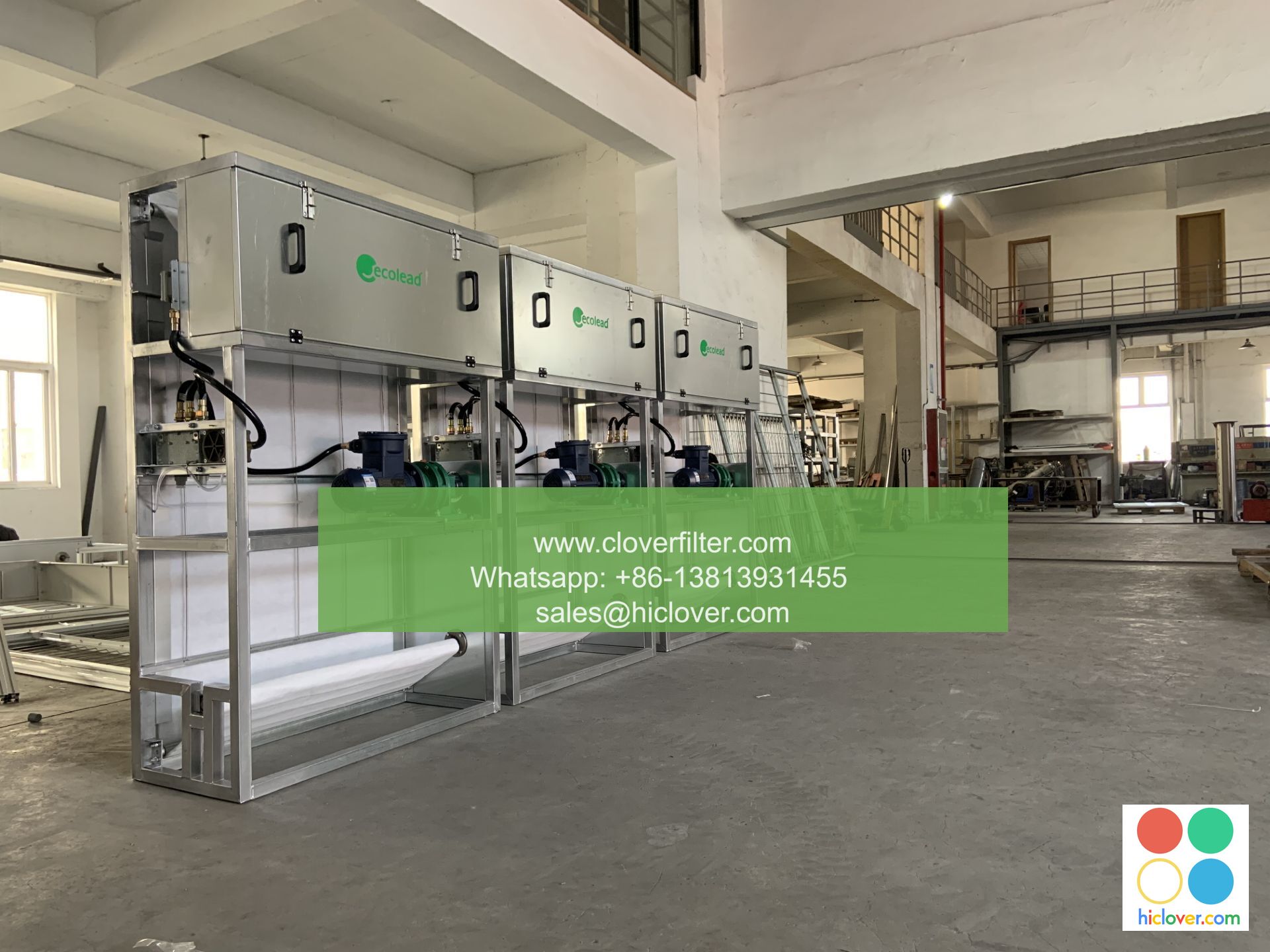
The Importance of Air Filters
Air filters play a crucial role in maintaining healthy air quality in various applications, from our homes to industrial settings. They are designed to trap dust, allergens, and other particulate matter, ensuring that the air we breathe is clean and safe. However, over time, these filters can become clogged and ineffective, leading to a range of issues.
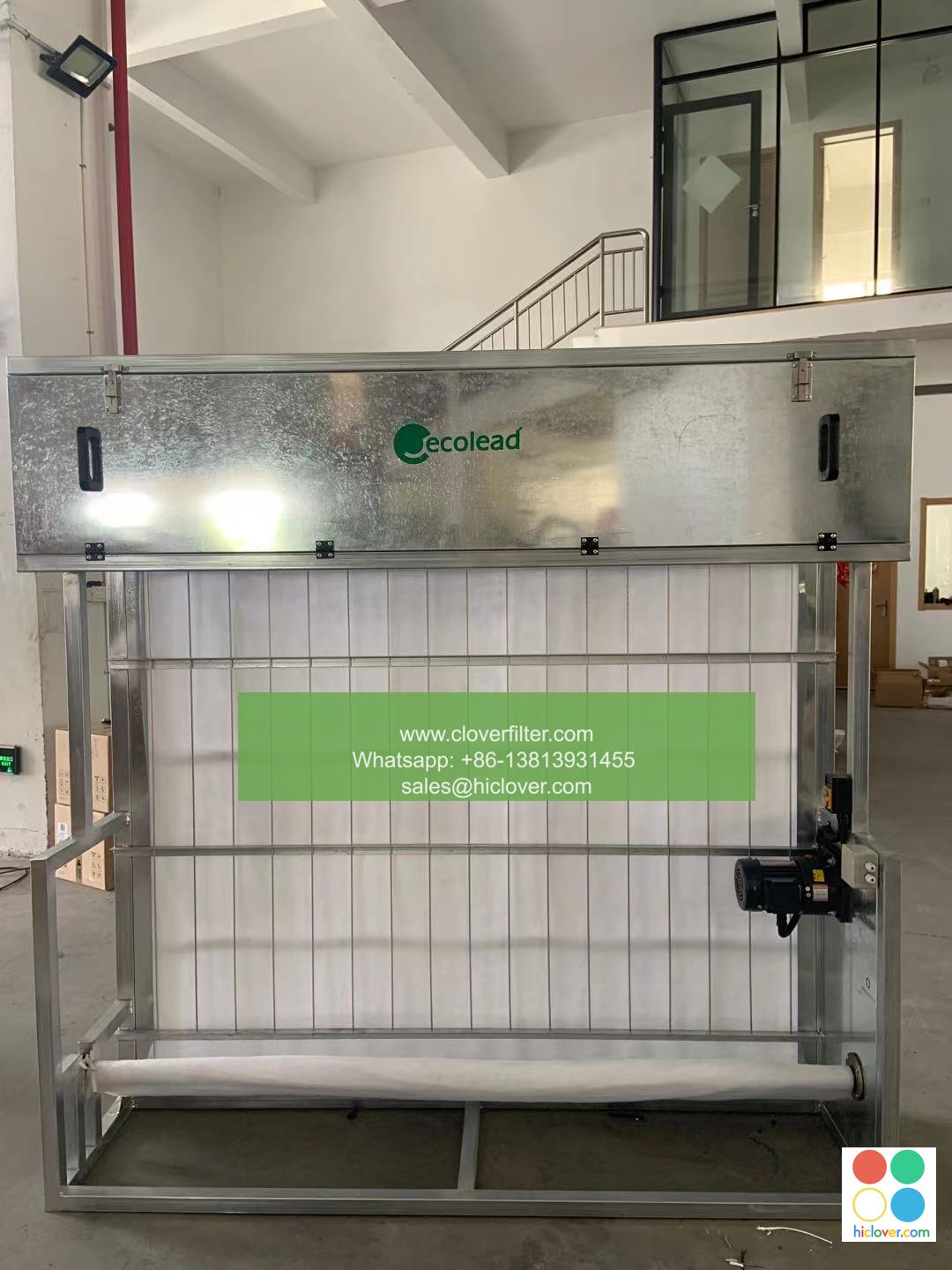
Indicators That Your Air Filter Needs Replacement
1. Reduced Airflow
If you notice less air coming from your HVAC system, it could be due to a clogged air filter. Reduced airflow not only makes your system less efficient but can also lead to increased energy costs.
2. Increased Energy Bills
A dirty air filter forces your HVAC system to work harder, which can result in higher energy bills. Regularly replacing your filter can help maintain efficiency and save you money in the long run.
3. Unpleasant Odors
If you start to smell musty or stale air when your HVAC is running, it can be a sign of a dirty air filter. Air filters that harbor mold and bacteria can release unpleasant odors into your home.
4. Allergies and Health Problems
A clogged air filter can exacerbate allergies and other health issues by not effectively filtering out pollutants. It is especially critical to monitor air filters in environments where allergies are a concern, such as homes with pets or in regions with high pollen counts.
Application Areas Impacted by Air Filters
1. Residential Homes
In residential settings, air filters are essential for maintaining a comfortable and healthy home environment. Regular replacement is necessary to ensure that your family is breathing clean air.
2. Commercial Buildings
For commercial buildings, air quality can affect employee productivity and wellbeing. Regular maintenance and filter replacement can promote a healthier workplace.
3. Industrial Applications
In industrial applications, air filters protect machinery and improve air quality in production areas, preventing contaminants from causing equipment failure and ensuring compliance with safety regulations.
Best Practices for Air Filter Maintenance
To keep your air filters functioning effectively, consider the following best practices:
- Check your air filter every month, especially during peak usage seasons.
- Replace disposable filters every 1-3 months, depending on usage.
- Consider investing in high-efficiency filters for better air quality.
- Schedule regular maintenance for your HVAC system to ensure optimal performance.
Conclusion
Replacing your air filter may seem like a small task, but it can have significant implications for air quality and system efficiency. Whether at home, in a commercial setting, or in an industrial application, staying on top of your air filter maintenance is essential for a clean and healthy environment. Don’t overlook this vital component of your HVAC system!
Sure! What kind of prompt are you looking for? It could be related to writing, brainstorming, creative projects, or something else entirely. Please provide a bit more detail so I can assist you effectively!
