Airborne Contaminant Control: Best Practices for Hospitals and Healthcare
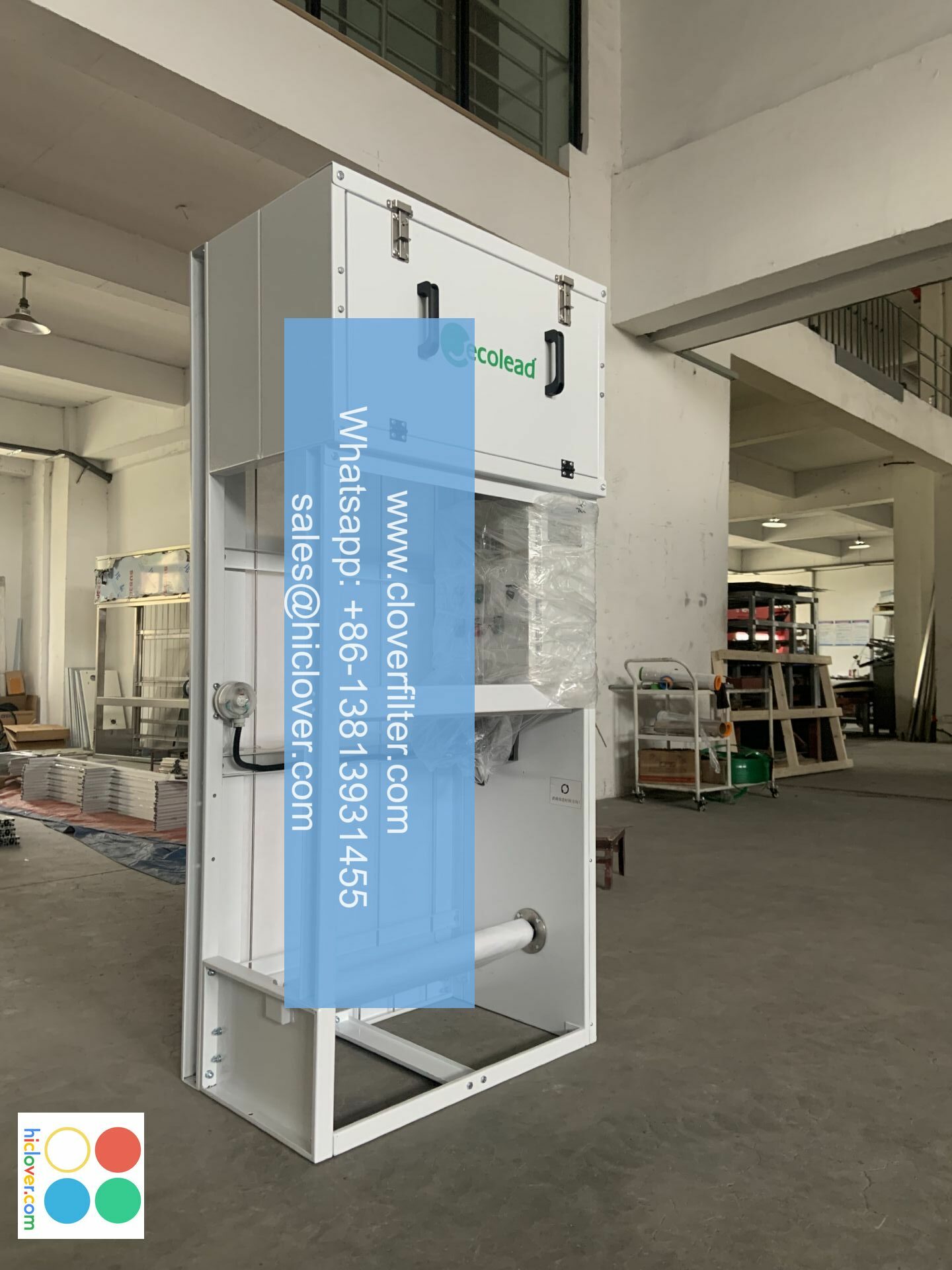
Airborne contaminant control is a critical aspect of infection prevention and control in hospitals and healthcare settings. The spread of airborne pathogens, such as influenza, tuberculosis, and COVID-19, can be prevented with the implementation of effective airborne contaminant control measures. In this article, we will discuss the best practices for airborne contaminant control in hospitals and healthcare, highlighting various application areas, including infection prevention and control, indoor air quality (IAQ) management, and heating, ventilation, and air conditioning (HVAC) system design.
Importance of Airborne Contaminant Control
Airborne contaminants, such as bacteria, viruses, and fungi, can be transmitted through the air and cause infections in patients, visitors, and healthcare workers. The control of airborne contaminants is essential to prevent the spread of infectious diseases and ensure a safe and healthy environment for everyone in the hospital or healthcare setting. Effective airborne contaminant control measures can also help to reduce the risk of hospital-acquired infections (HAIs) and healthcare-associated infections (HCAIs).
Best Practices for Airborne Contaminant Control
The following are some best practices for airborne contaminant control in hospitals and healthcare settings:
* Ventilation and air exchange: Ensure that ventilation systems provide adequate air exchange rates and that air is exchanged frequently to remove airborne contaminants.
* Air filtration: Use high-efficiency air filters, such as HEPA filters, to remove airborne contaminants, including particles and microorganisms.
* UV-C lighting: Install UV-C lighting systems to inactivate airborne microorganisms, including bacteria, viruses, and fungi.
* Personal protective equipment (PPE): Ensure that healthcare workers wear PPE, including masks, gloves, and gowns, when caring for patients with airborne infectious diseases.
* Isolation and quarantine: Isolate patients with airborne infectious diseases in negative pressure rooms or areas with limited access to prevent the spread of airborne contaminants.
Application Areas for Airborne Contaminant Control
Airborne contaminant control measures can be applied in various areas of hospitals and healthcare settings, including:
* Operating rooms: Ensure that operating rooms have adequate ventilation and air exchange rates, and that air is filtered using high-efficiency air filters to prevent the spread of airborne contaminants.
* Intensive care units (ICUs): Implement airborne contaminant control measures, such as UV-C lighting and air filtration, to prevent the spread of airborne pathogens in ICUs.
* Emergency departments: Ensure that emergency departments have adequate ventilation and air exchange rates, and that air is filtered using high-efficiency air filters to prevent the spread of airborne contaminants.
* Patient rooms: Ensure that patient rooms have adequate ventilation and air exchange rates, and that air is filtered using high-efficiency air filters to prevent the spread of airborne contaminants.

Indoor Air Quality (IAQ) Management
Indoor air quality (IAQ) management is critical to preventing the spread of airborne contaminants in hospitals and healthcare settings. The following are some strategies for IAQ management:
* Monitor indoor air quality: Monitor indoor air quality using sensors and other devices to detect airborne contaminants and ensure that air quality meets standards.
* Implement air quality standards: Implement air quality standards, such as those set by the American Society of Heating, Refrigerating, and Air-Conditioning Engineers (ASHRAE), to ensure that indoor air quality meets minimum requirements.
* Maintain HVAC systems: Regularly maintain HVAC systems to ensure that they are functioning properly and providing adequate ventilation and air exchange rates.
Conclusion
Airborne contaminant control is a critical aspect of infection prevention and control in hospitals and healthcare settings. By implementing best practices for airborne contaminant control, including ventilation and air exchange, air filtration, UV-C lighting, and personal protective equipment, healthcare facilities can prevent the spread of airborne pathogens and ensure a safe and healthy environment for patients, visitors, and healthcare workers. Effective infection prevention and control, indoor air quality (IAQ) management, and heating, ventilation, and air conditioning (HVAC) system design are essential to preventing the spread of airborne contaminants and ensuring a safe and healthy environment in hospitals and healthcare settings. It looks like you’re ready to give me a prompt, but you haven’t typed it out yet! What would you like to talk about or ask me to help with? I can assist with a wide range of topics, from creative writing to trivia and more. Go ahead and share your prompt, and I’ll do my best to help!
