Air Filter Industry Standards: Compliance and Certification Explained
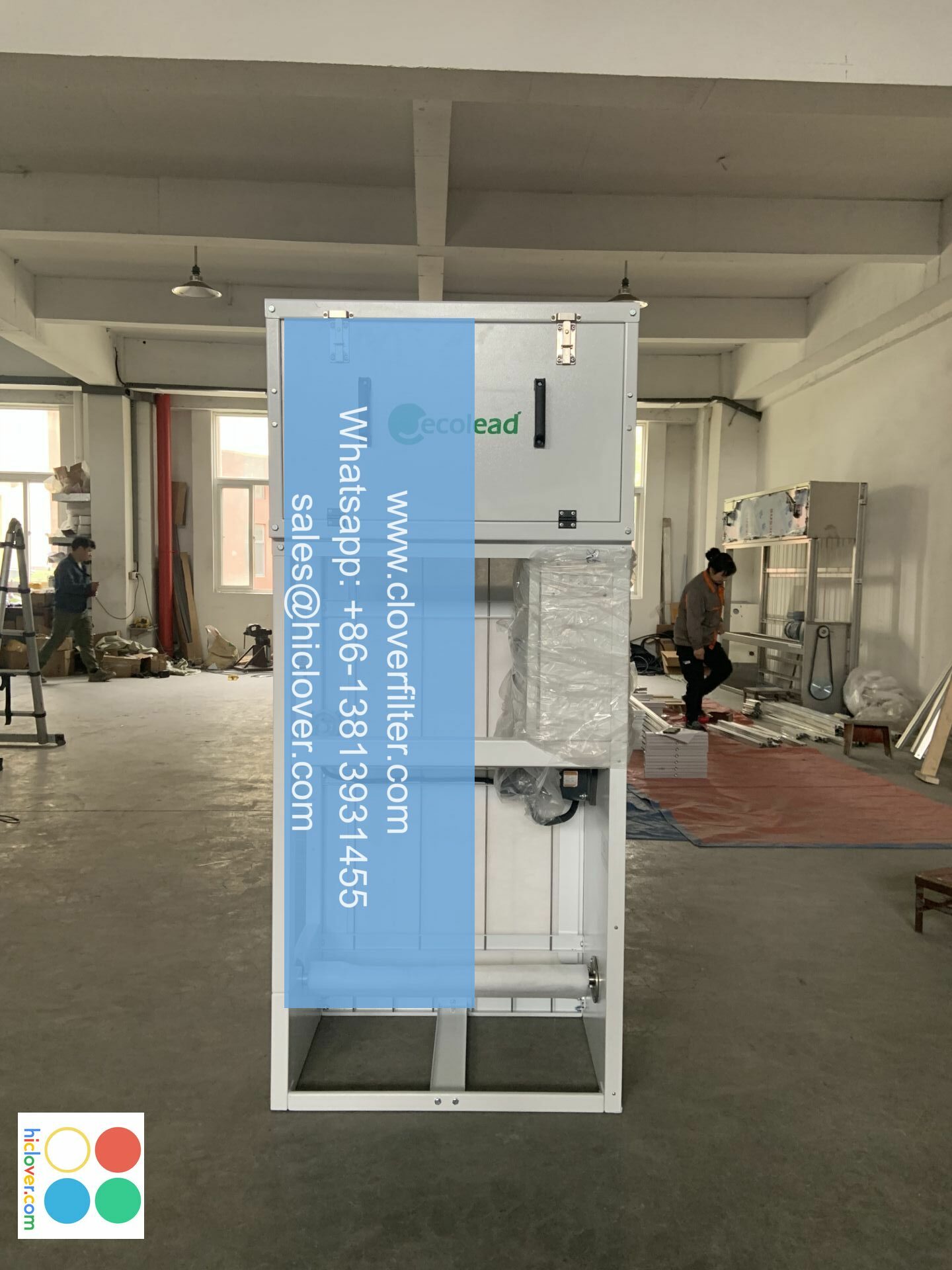
The air filter industry is a complex and highly regulated sector, with various industry standards and certification requirements that manufacturers must comply with to ensure the quality and safety of their products. In this article, we will delve into the world of air filter standards, exploring the key compliance requirements and certification processes that apply to different application areas, including HEPA filters, activated carbon filters, and industrial air filtration systems.
Introduction to Air Filter Industry Standards
Air filter industry standards are established by various organizations, such as the American Society of Heating, Refrigerating, and Air-Conditioning Engineers (ASHRAE) and the International Organization for Standardization (ISO), to ensure that air filters meet specific performance requirements and safety standards. These standards cover a range of aspects, including filter efficiency, pressure drop, and fire resistance, and are designed to protect human health and the environment.
Compliance Requirements for Air Filter Manufacturers
Air filter manufacturers must comply with various regulatory requirements and industry standards to ensure that their products meet the necessary performance and safety standards. Some of the key compliance requirements include:
* ASHRAE Standard 52.2: This standard sets the minimum requirements for air filter performance and testing procedures.
* ISO 16890: This standard provides a global classification system for air filters, based on their particulate removal efficiency.
* UL (Underwriters Laboratories) Certification: This certification is required for air filters used in commercial and industrial applications, and ensures that products meet specific safety standards.
Certification Processes for Air Filters
To ensure compliance with industry standards, air filter manufacturers must undergo certification processes that involve testing and evaluation of their products. Some of the key certification processes include:
* Testing for Filter Efficiency: This involves measuring the particulate removal efficiency of air filters, using techniques such as aerosol challenge tests.
* Testing for Pressure Drop: This involves measuring the pressure drop across air filters, to ensure that they meet specific performance requirements.
* Fire Resistance Testing: This involves testing air filters for their fire resistance, to ensure that they meet specific safety standards.

Application Areas for Air Filters
Air filters are used in a wide range of application areas, including:
* Residential Air Filtration Systems: These systems are designed to improve indoor air quality in homes and apartments.
* Commercial Air Filtration Systems: These systems are designed to improve indoor air quality in offices, shopping malls, and other commercial buildings.
* Industrial Air Filtration Systems: These systems are designed to remove hazardous particles and gases from industrial processes, such as welding and painting.
* Transportation Air Filtration Systems: These systems are designed to improve air quality in vehicles, such as cars, trucks, and airplanes.
Key Technologies Used in Air Filters
Some of the key technologies used in air filters include:
* HEPA (High Efficiency Particulate Air) Filters: These filters are designed to remove 99.97% of particles as small as 0.3 microns.
* Activated Carbon Filters: These filters are designed to remove gases and odors from the air.
* UV (Ultraviolet) Light Technology: This technology is designed to kills bacteria and viruses in the air.
Conclusion
In conclusion, the air filter industry is a complex and highly regulated sector, with various industry standards and certification requirements that manufacturers must comply with to ensure the quality and safety of their products. By understanding the key compliance requirements and certification processes that apply to different application areas, manufacturers can ensure that their products meet the necessary performance and safety standards, and provide effective air filtration solutions for a wide range of industries and applications. It looks like you didn’t include a prompt. Please go ahead and provide one, and I’ll do my best to help!
