The Role of Air Filters in Reducing Particulate Matter
Introduction to Air Pollution and Particulate Matter
Air pollution has become a major concern worldwide, with particulate matter (PM), nitrogen dioxide (NO2), and volatile organic compounds (VOCs) being some of the most harmful pollutants. Particulate matter, in particular, consists of tiny particles that can penetrate deep into the lungs, causing respiratory problems, cardiovascular disease, and even cancer. The use of air filters has emerged as a crucial solution to reduce particulate matter and improve indoor and outdoor air quality.
How Air Filters Work
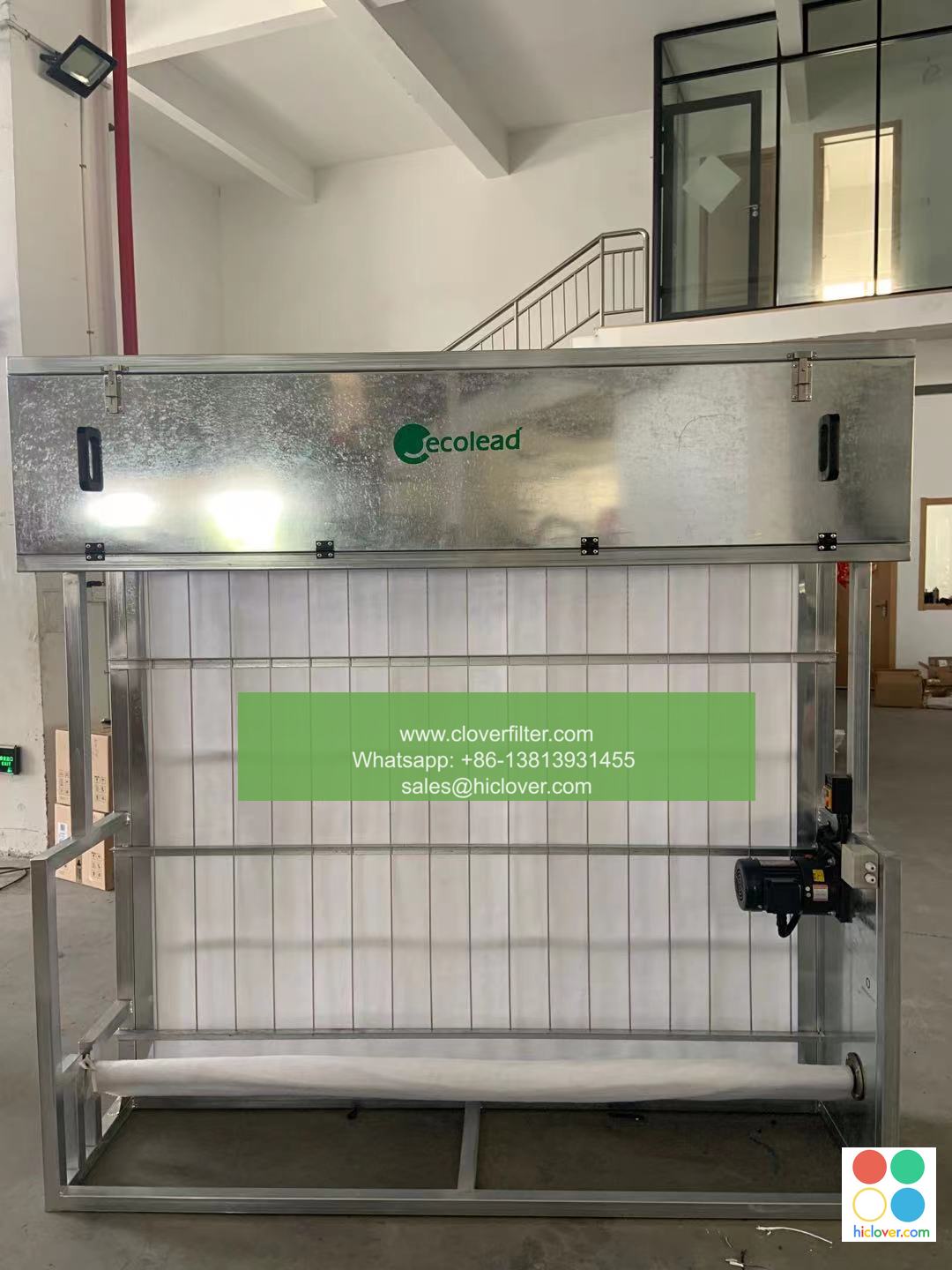
Air filters work by capturing particulate matter and other pollutants from the air, preventing them from being inhaled. They are designed to remove PM2.5 (particles with a diameter of 2.5 micrometers or less) and PM10 (particles with a diameter of 10 micrometers or less), which are the most harmful types of particulate matter. HEPA (High Efficiency Particulate Air) filters are a type of air filter that can capture 99.97% of particles as small as 0.3 micrometers, making them highly effective in reducing particulate matter.
Application Areas of Air Filters
Air filters have a wide range of applications, including:
* Indoor air purification systems for homes, offices, and commercial buildings
* Industrial air filtration systems for manufacturing facilities, power plants, and other industrial settings
* Transportation systems, such as cars, buses, and trains
* Medical facilities, where clean air is critical for patient health
* Commercial kitchens, where grease filters and odor filters are used to reduce particulate matter and unpleasant odors

Benefits of Air Filters in Reducing Particulate Matter
The use of air filters has numerous benefits, including:
* Improved indoor air quality, which can help alleviate respiratory problems, such as asthma and allergies
* Reduced risk of cardiovascular disease and other health problems associated with particulate matter
* Increased energy efficiency, as air filters can help reduce the workload on heating and cooling systems
* Extended equipment lifespan, as air filters can help prevent damage from particulate matter and other pollutants
Conclusion
In conclusion, air filters play a critical role in reducing particulate matter and improving air quality. With their wide range of applications and numerous benefits, air filters are an essential tool in the fight against air pollution. By using HEPA filters and other types of air filters, we can create cleaner, healthier environments and reduce the risks associated with particulate matter. As the world continues to urbanize and industrialize, the importance of air filters will only continue to grow, making them a vital component of our efforts to protect public health and the environment. It seems like you forgot to include the prompt. Please go ahead and provide the prompt, and I’ll be happy to assist you!
