The Benefits of Electrostatic Precipitators in Air Filtration Systems
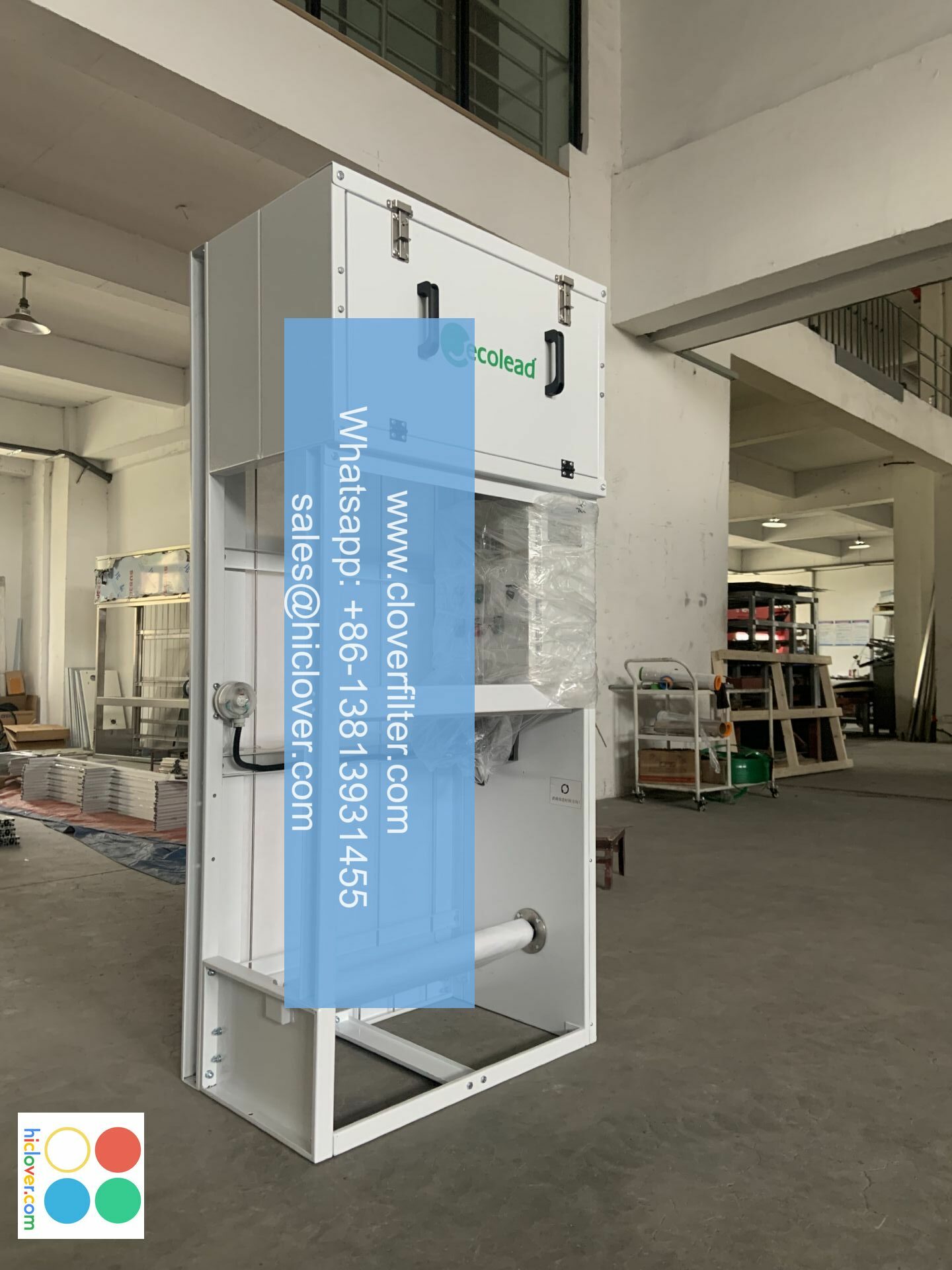
Electrostatic precipitators (ESPs) are a crucial component in air filtration systems, playing a significant role in improving indoor air quality (IAQ) and reducing airborne pollutants. These devices utilize electrostatic charges to capture and remove particulate matter, gases, and other contaminants from the air, making them an essential tool in various industries and applications.
How Electrostatic Precipitators Work
ESPs operate by applying an electrostatic charge to the particles in the air, which are then attracted to a collection surface. This process involves several key stages, including particle charging, particle collection, and cleaning. The electrostatic charge is generated by a high-voltage power supply, which ionizes the particles and gives them a positive or negative charge. The charged particles are then drawn to the collection surface, where they are trapped and removed from the air.
Benefits of Electrostatic Precipitators
The use of electrostatic precipitators in air filtration systems offers numerous benefits, including:
* High Efficiency: ESPs can capture particles as small as 0.01 microns, making them highly effective in removing airborne pollutants and improving IAQ.
* Low Maintenance: ESPs require minimal maintenance, as the collection surfaces can be easily cleaned and replaced.
* Energy Efficiency: ESPs are designed to operate at low energy levels, making them a cost-effective solution for air filtration.
* Compact Design: ESPs are often compact and can be easily integrated into existing air filtration systems, making them a versatile solution for various applications.
Application Areas of Electrostatic Precipitators
Electrostatic precipitators have a wide range of applications in various industries, including:
* Indoor Air Quality (IAQ) Improvement: ESPs are used in commercial and residential buildings to improve IAQ and reduce airborne pollutants.
* Industrial Air Pollution Control: ESPs are used in industries such as cement, steel, and power generation to control air pollution and reduce particulate matter emissions.
* Medical Facilities: ESPs are used in hospitals and healthcare facilities to remove airborne pathogens and improve IAQ.
* Food Processing: ESPs are used in food processing plants to remove airborne contaminants and improve product quality.
* Pharmaceutical Industry: ESPs are used in pharmaceutical manufacturing facilities to remove airborne contaminants and improve product quality.
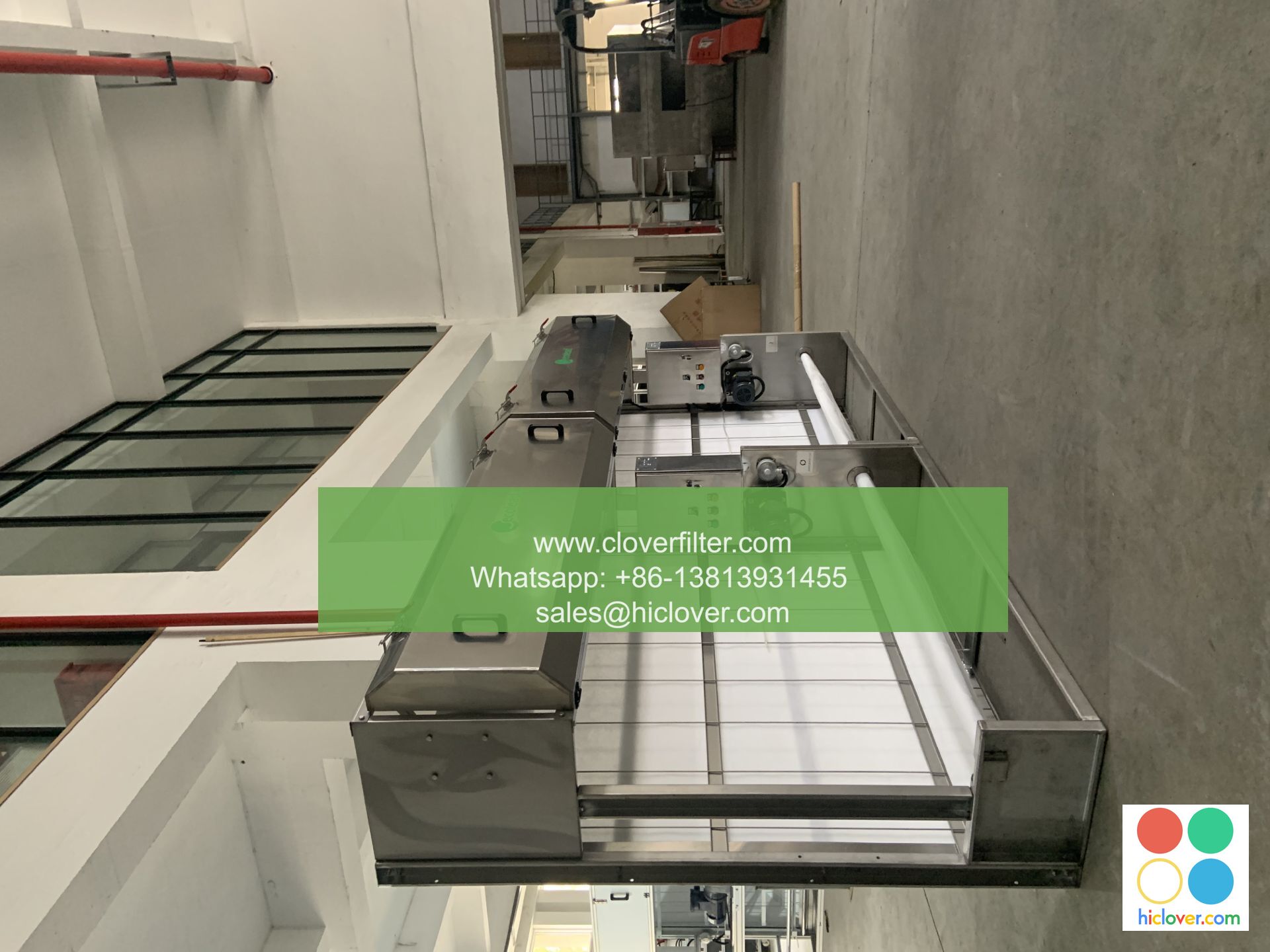
Advantages of Electrostatic Precipitators over Traditional Air Filtration Systems
ESPs offer several advantages over traditional air filtration systems, including:
* Higher Efficiency: ESPs can capture smaller particles than traditional air filtration systems, making them more effective in removing airborne pollutants.
* Lower Pressure Drop: ESPs operate at a lower pressure drop than traditional air filtration systems, making them more energy-efficient.
* Longer Filter Life: ESPs have a longer filter life than traditional air filtration systems, reducing maintenance costs and downtime.
Conclusion
Electrostatic precipitators are a vital component in air filtration systems, offering numerous benefits and advantages over traditional air filtration systems. Their high efficiency, low maintenance, and energy efficiency make them a cost-effective solution for improving IAQ and reducing airborne pollutants. With their wide range of applications in various industries, ESPs are an essential tool in maintaining a healthy and safe environment. By highlighting the various application areas and benefits of electrostatic precipitators, it is clear that these devices play a critical role in protecting public health and the environment. It seems like you didn’t include a prompt. Could you please provide more details or specify what you would like to know or discuss? I’m here to help with any questions or topics you have in mind.
