Air Filter Installations Required in New Construction Projects
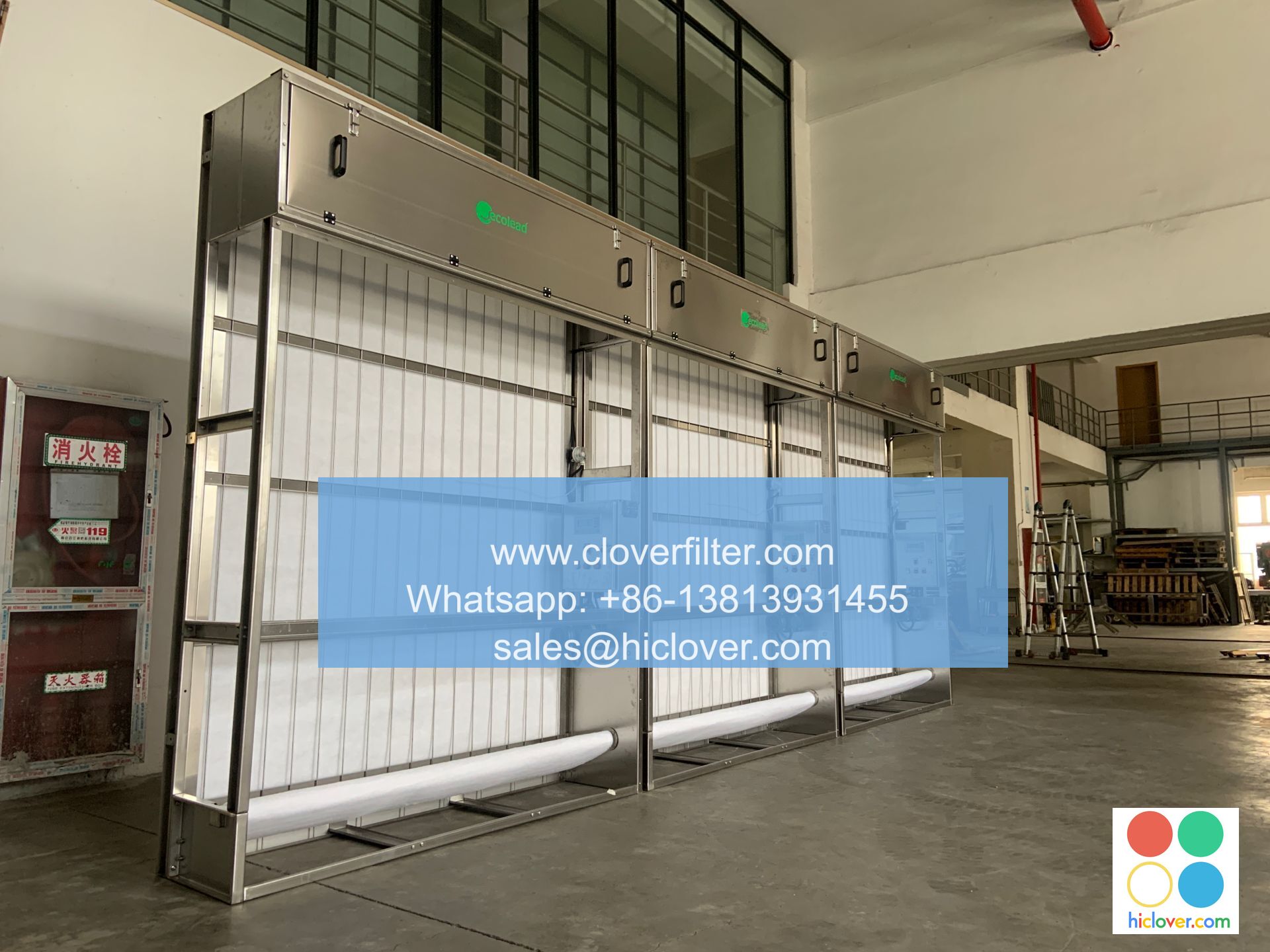
As the world becomes increasingly conscious of indoor air quality (IAQ) and its impact on human health, air filter installations have become a mandatory requirement in new construction projects. The installation of high-quality air filters is crucial in maintaining a healthy and comfortable indoor environment, free from pollutants, allergens, and other airborne contaminants. In this article, we will delve into the importance of air filter installations in new construction projects, highlighting various application areas and key considerations for builders, architects, and engineers.
Benefits of Air Filter Installations
Air filter installations offer numerous benefits, including improved IAQ, reduced energy consumption, and enhanced occupant health and productivity. By installing air filters, builders can:
* Remove airborne pollutants, such as particulate matter (PM), nitrogen dioxide (NO2), and volatile organic compounds (VOCs)
* Reduce the risk of respiratory problems, such as asthma and other breathing difficulties
* Improve the overall comfort and well-being of occupants
* Increase the energy efficiency of heating, ventilation, and air conditioning (HVAC) systems
* Extend the lifespan of HVAC equipment and reduce maintenance costs
Application Areas for Air Filter Installations
Air filter installations are essential in various application areas, including:
* Residential Construction: Single-family homes, apartments, and condominiums require air filter installations to maintain good IAQ and ensure the health and comfort of occupants.
* Commercial Construction: Office buildings, shopping centers, and restaurants need air filter installations to improve IAQ, reduce energy consumption, and enhance occupant productivity.
* Industrial Construction: Factories, warehouses, and manufacturing facilities require air filter installations to remove airborne pollutants and maintain a safe working environment.
* Healthcare Construction: Hospitals, clinics, and laboratories need air filter installations to maintain sterile environments and prevent the spread of airborne infections.
Types of Air Filters and Their Applications
There are various types of air filters available, each with its own unique characteristics and applications. Some of the most common types of air filters include:
* HEPA Filters: High-efficiency particulate air (HEPA) filters are designed to capture 99.97% of particles as small as 0.3 microns, making them ideal for applications where high levels of filtration are required, such as in healthcare and industrial settings.
* Activated Carbon Filters: Activated carbon filters are designed to capture gases, vapors, and odors, making them ideal for applications where VOC removal is required, such as in commercial and residential settings.
* UV Air Purifiers: Ultraviolet (UV) air purifiers use UV light to kill bacteria, viruses, and other microorganisms, making them ideal for applications where high levels of disinfection are required, such as in healthcare and food processing settings.
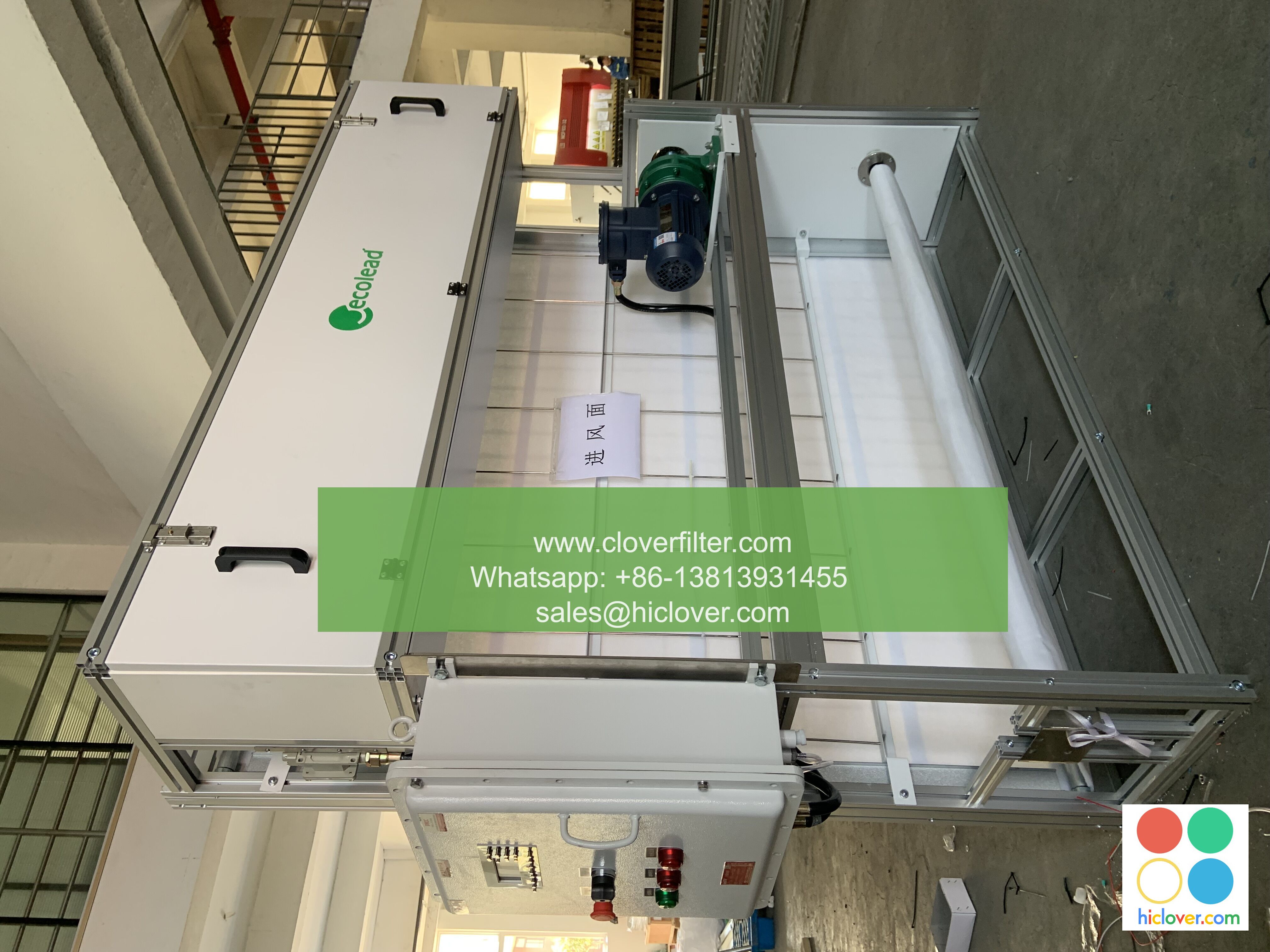
Regulations and Standards for Air Filter Installations
There are various regulations and standards that govern air filter installations in new construction projects. Some of the most notable regulations and standards include:
* ASHRAE Standard 62.1: This standard provides guidelines for ventilation and indoor air quality in commercial and residential buildings.
* OSHA Regulations: The Occupational Safety and Health Administration (OSHA) regulates indoor air quality in workplaces, including construction sites.
* Local Building Codes: Local building codes and regulations may also govern air filter installations in new construction projects.
In conclusion, air filter installations are a critical component in new construction projects, offering numerous benefits for occupants, builders, and the environment. By understanding the importance of air filter installations, the various application areas, and the types of air filters available, builders, architects, and engineers can ensure that their projects meet the highest standards of indoor air quality and comfort. It looks like you’re ready to start a conversation or ask a question, but you haven’t typed anything yet. Please go ahead and ask me anything, and I’ll do my best to help!
