Air Filter Production: Manufacturing Processes and Techniques
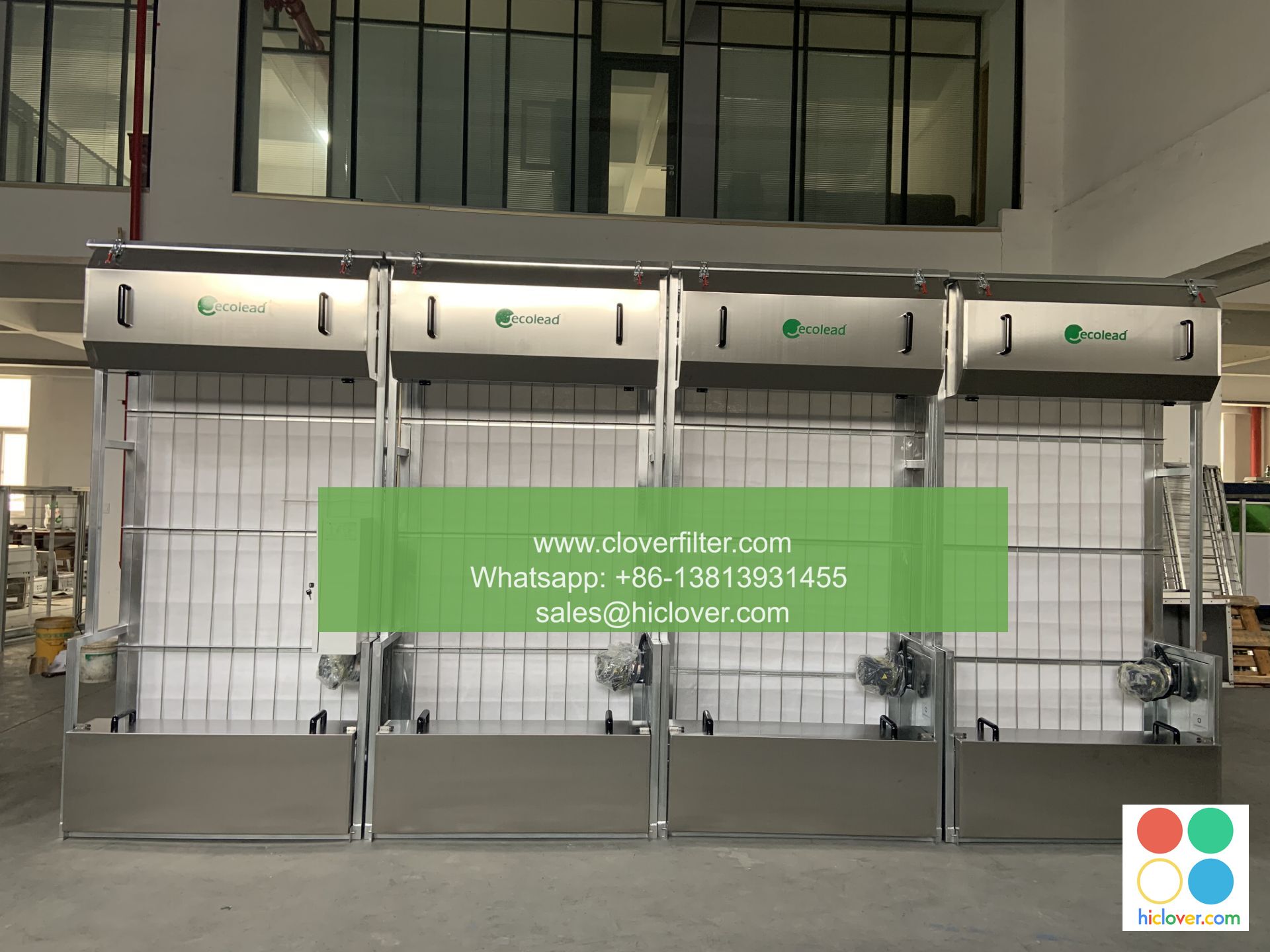
The production of air filters is a complex process that involves several stages, from raw material selection to final product testing. The manufacturing process of air filters requires a combination of advanced technologies and quality control measures to ensure the production of high-performance filters that meet the required industrial standards and environmental regulations. In this article, we will discuss the various manufacturing processes and techniques used in air filter production, as well as their application areas and key benefits.
Raw Material Selection
The selection of raw materials is a critical stage in air filter production. The most common materials used in air filter production are fiberglass, polyester, and activated carbon. The choice of material depends on the filter type and application area, such as industrial air filtration, commercial HVAC systems, or residential air purification. The raw materials are sourced from reliable suppliers and undergo quality control checks to ensure they meet the required standards and specifications.
Manufacturing Processes
The manufacturing process of air filters involves several stages, including:
* Media formation: The raw materials are formed into a filter media, which can be in the form of a pleated filter, panel filter, or cartridge filter.
* Filter assembly: The filter media is assembled into a filter frame, which can be made of metal, plastic, or wood.
* Sealing and testing: The filter is sealed and tested to ensure it meets the required efficiency standards and leakage rates.
Techniques and Technologies
Several techniques and technologies are used in air filter production, including:
* Nanofiber technology: This technology involves the use of nano-scale fibers to create filters with high efficiency and low pressure drop.
* Meltblown technology: This technology involves the use of high-temperature air to create filters with high loft and low density.
* Electrostatic charging: This technology involves the use of electrostatic charges to attract and capture particulate matter and gases.

Application Areas
Air filters have a wide range of application areas, including:
* Industrial air filtration: Air filters are used in industrial processes such as chemical processing, food processing, and pharmaceutical manufacturing.
* Commercial HVAC systems: Air filters are used in commercial HVAC systems to improve indoor air quality and reduce energy consumption.
* Residential air purification: Air filters are used in residential air purifiers to improve indoor air quality and reduce allergy symptoms.
Key Benefits
The use of air filters has several key benefits, including:
* Improved indoor air quality: Air filters can remove particulate matter, gases, and odors from the air, improving indoor air quality and reducing health risks.
* Increased energy efficiency: Air filters can reduce energy consumption by improving airflow and reducing pressure drop.
* Extended equipment life: Air filters can extend the life of equipment and reduce maintenance costs by removing particulate matter and gases that can cause equipment damage.
In conclusion, air filter production involves a complex process that requires a combination of advanced technologies and quality control measures. The manufacturing process of air filters involves several stages, from raw material selection to final product testing. Air filters have a wide range of application areas, including industrial air filtration, commercial HVAC systems, and residential air purification. The use of air filters has several key benefits, including improved indoor air quality, increased energy efficiency, and extended equipment life. You haven’t asked a question or provided any context. Please provide more information or ask a question, and I’ll do my best to assist you. What’s on your mind?
