Air Filter Technology: A Review of Energy Recovery and Sustainability
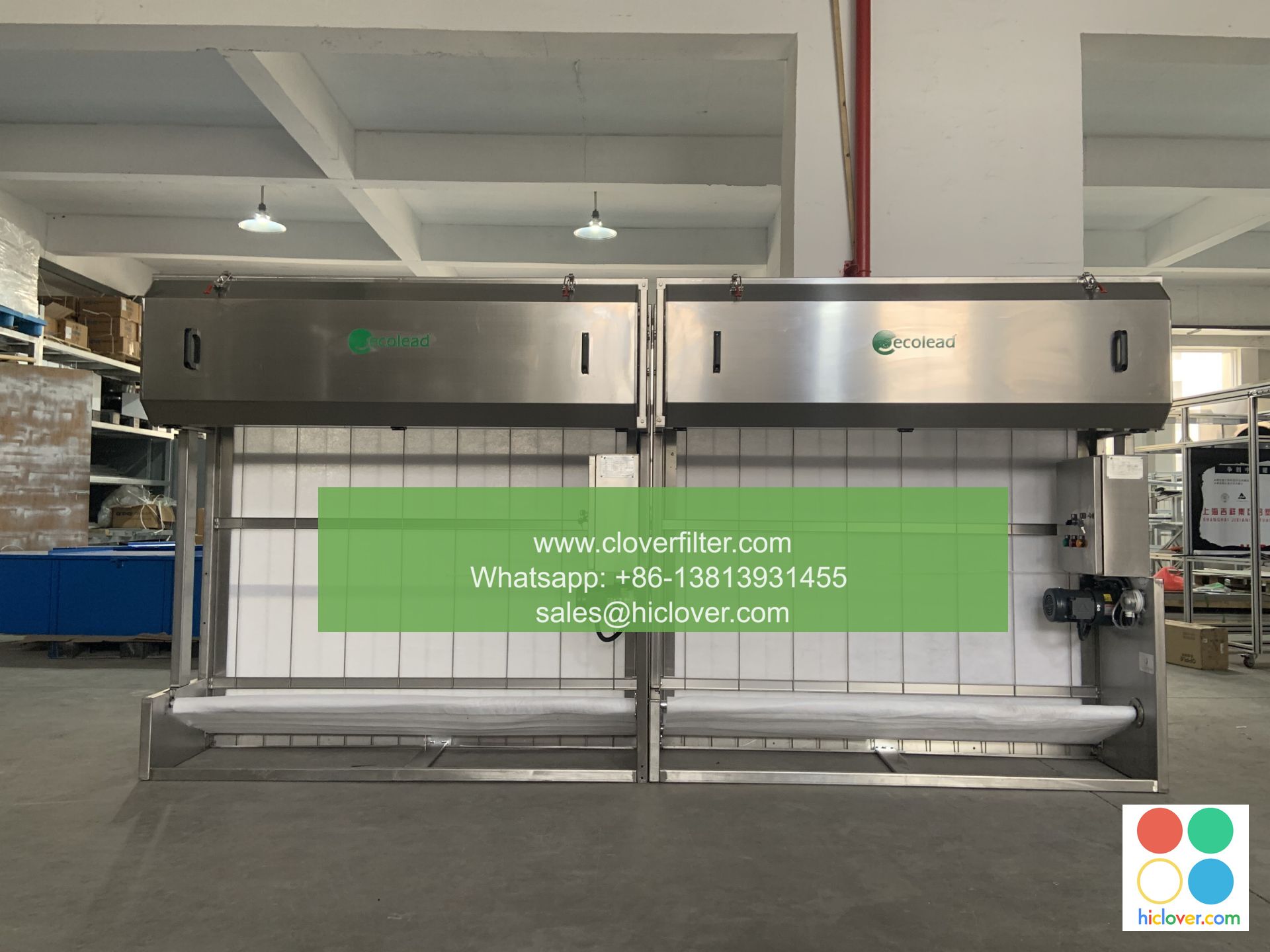
The increasing concern about air pollution and energy consumption has led to a significant growth in the development of air filter technology. The main goal of air filter technology is to remove pollutants and particulate matter from the air, improving indoor air quality and reducing the energy required for heating, ventilation, and air conditioning (HVAC) systems. In this article, we will review the current state of air filter technology, with a focus on energy recovery and sustainability, and highlight various application areas.
Introduction to Air Filter Technology
Air filter technology has undergone significant advancements in recent years, driven by the need for more efficient and sustainable solutions. Traditional air filters use a simple filtration mechanism to remove particles and pollutants from the air, but they often require significant amounts of energy to operate. Modern air filter technology, on the other hand, incorporates advanced materials and designs that enable more efficient filtration, energy recovery, and sustainability.
Energy Recovery in Air Filter Technology
Energy recovery is a critical aspect of air filter technology, as it enables the recovery of energy that would otherwise be lost during the filtration process. This can be achieved through various mechanisms, including heat recovery, moisture recovery, and pressure recovery. Some of the key technologies used for energy recovery in air filter technology include:
* Heat Exchangers: Heat exchangers are used to recover heat energy from the air, which can then be used to pre-heat or pre-cool the air, reducing the energy required for HVAC systems.
* Energy Recovery Ventilators (ERVs): ERVs are designed to recover heat and moisture energy from the air, while also providing a high level of filtration efficiency.
* Regenerative Desiccant Systems: Regenerative desiccant systems use a desiccant material to absorb moisture from the air, which can then be recovered and used to dry the air, reducing the energy required for dehumidification.
Sustainability in Air Filter Technology
Sustainability is another critical aspect of air filter technology, as it enables the reduction of environmental impacts associated with air filtration. Some of the key strategies used to improve sustainability in air filter technology include:
* Green Materials: The use of green materials, such as natural fibers and bioplastics, can reduce the environmental impacts associated with air filter production and disposal.
* Recyclable Filters: Recyclable filters can reduce waste and minimize the environmental impacts associated with filter disposal.
* Low-Pressure Drop Filters: Low-pressure drop filters can reduce the energy required for air filtration, while also improving indoor air quality.

Application Areas of Air Filter Technology
Air filter technology has a wide range of application areas, including:
* Industrial Air Filtration: Industrial air filtration systems are used to remove pollutants and particulate matter from the air in industrial settings, such as manufacturing facilities and power plants.
* Commercial Air Filtration: Commercial air filtration systems are used to improve indoor air quality in commercial settings, such as offices, restaurants, and hotels.
* Residential Air Filtration: Residential air filtration systems are used to improve indoor air quality in residential settings, such as homes and apartments.
* Transportation Air Filtration: Transportation air filtration systems are used to remove pollutants and particulate matter from the air in vehicles, such as cars, buses, and airplanes.
Conclusion
In conclusion, air filter technology has undergone significant advancements in recent years, driven by the need for more efficient and sustainable solutions. Energy recovery and sustainability are critical aspects of air filter technology, and various strategies are being used to improve these aspects, including heat recovery, moisture recovery, and pressure recovery, as well as the use of green materials, recyclable filters, and low-pressure drop filters. Air filter technology has a wide range of application areas, including industrial, commercial, residential, and transportation air filtration. As the demand for clean air and sustainable solutions continues to grow, the development of air filter technology is expected to play a critical role in improving indoor air quality and reducing environmental impacts.
Key words: Air Filter Technology, Energy Recovery, Sustainability, Green Materials, Recyclable Filters, Low-Pressure Drop Filters, Industrial Air Filtration, Commercial Air Filtration, Residential Air Filtration, Transportation Air Filtration, Heat Exchangers, Energy Recovery Ventilators (ERVs), Regenerative Desiccant Systems. It looks like you didn’t include a prompt. What would you like to talk about or ask? I can help with a wide range of topics, from science and history to entertainment and culture. If you’re feeling stuck, I can also suggest some conversation starters. Just let me know what’s on your mind!
