Designing and Building Cleanrooms with Automatic Roll Air Filters in Quebec Pharmaceutical Facilities

In the competitive world of pharmaceuticals, ensuring the integrity and purity of products is paramount. Cleanrooms serve as specialized environments that maintain controlled conditions for manufacturing sensitive products. The design and construction of cleanrooms with state-of-the-art automatic roll air filters have become essential in Quebec’s pharmaceutical facilities.
The Importance of Cleanrooms
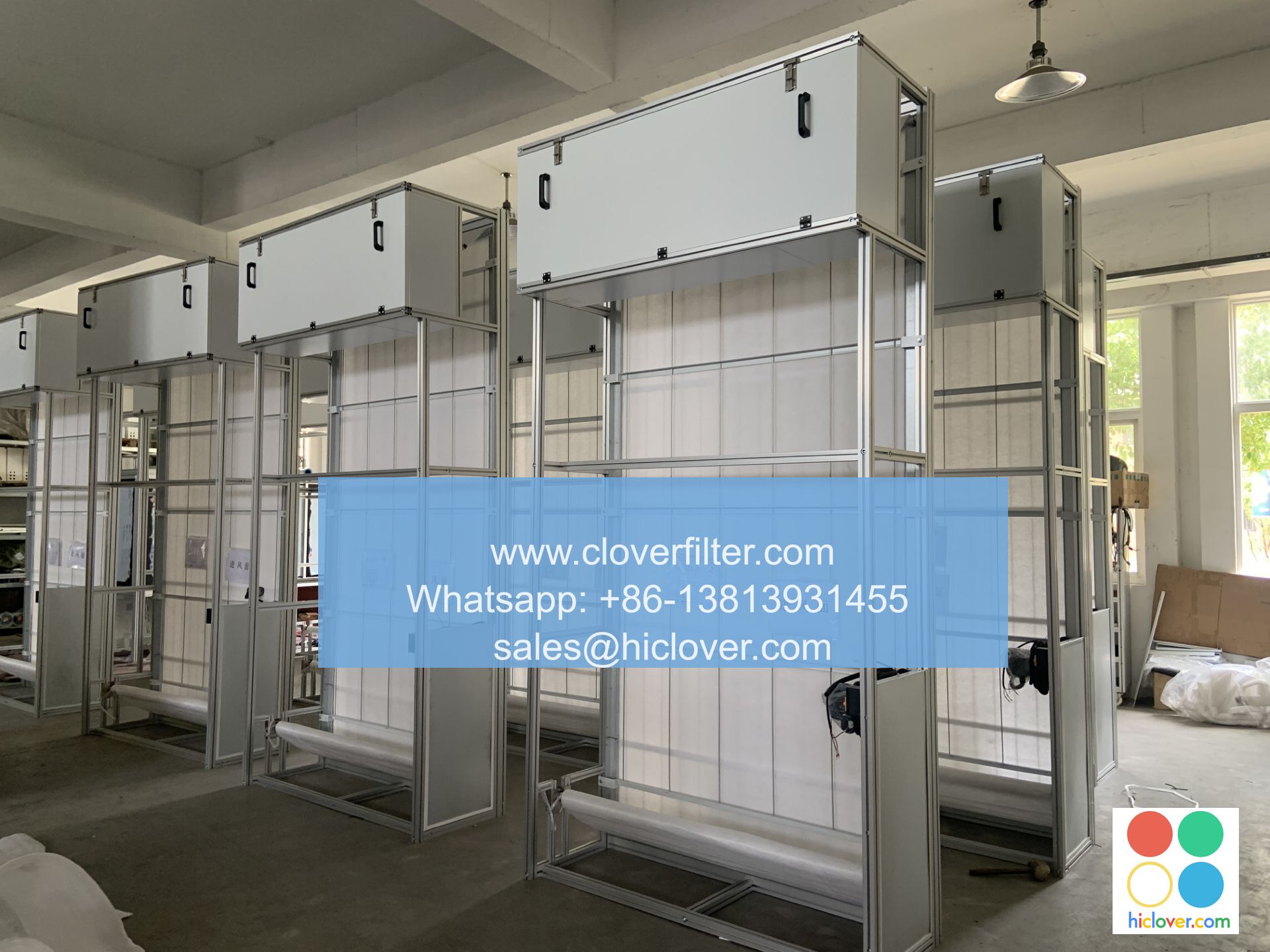
Pharmaceutical manufacturing processes are subject to stringent regulations to minimize contamination risks. Cleanrooms provide a controlled environment that limits particulate contamination, microbial contamination, and chemical pollution. They are designed to remove airborne contaminants and to achieve specific cleanliness standards critical in drug production.
Automatic Roll Air Filters: A Modern Solution
Automatic roll air filters are advanced filtration systems that offer several advantages over traditional filtration methods. These filters ensure that the cleanroom atmosphere remains optimal by automatically replacing or cleaning the filters based on real-time measurements. The key benefits include:
- Enhanced Efficiency: Automatic systems provide consistent air quality by continuously monitoring filter status and adjusting operations accordingly.
- Cost Savings: Automated systems help reduce maintenance costs and minimize energy consumption by optimizing the filter’s operational life.
- Reduced Human Error: Automating the filter management process lessens the chances of human errors during the maintenance cycle.
- Compliance Assurance: Automatic roll air filters can assist facilities in meeting regulatory standards by ensuring proper records of filter changes and air quality levels.

Designing Effective Cleanrooms
When designing cleanrooms, several crucial factors must be considered:
1. Classification Standards
Cleanrooms are classified based on the maximum allowable particle count in the air. Adherence to these standards, such as ISO 14644, is critical in determining the cleanroom’s design specifications.
2. Layout and Workflow
The layout of a cleanroom affects workflow and contamination control. Facilities must ensure that the design promotes efficient movement while separating clean and dirty areas.
3. HVAC Systems
A robust HVAC (Heating, Ventilation, and Air Conditioning) system is fundamental. Automatic roll air filters integrate seamlessly with HVAC systems to maintain the required air change rates and temperature/humidity levels.
4. Material Selection
Only suitable materials that do not emit particles or vapors should be used in cleanroom construction. Additionally, surfaces should be smooth, non-porous, and easy to clean.
Implementation Challenges
While designing and building cleanrooms with automatic roll air filters offers numerous benefits, it is not without its challenges. Factors such as high initial costs, ongoing compliance requirements, and the need for continual training of personnel must be addressed effectively.
Conclusion
The integration of automatic roll air filters in cleanroom design is revolutionizing the pharmaceutical sector in Quebec. As facilities strive for enhanced contamination control, these innovations represent a step forward in maintaining product quality and regulatory compliance. Investing in well-designed cleanrooms ensures that pharmaceutical companies can meet the challenges of today while preparing for the future.
FAQs
Q1: What are the main regulatory bodies governing cleanroom standards in Quebec?
A1: The primary regulatory bodies include Health Canada and the International Organization for Standardization (ISO), specifically ISO 14644 standards related to cleanrooms.
Q2: How often should automatic roll air filters be inspected or replaced?
A2: It varies based on usage and air quality conditions, but monitoring systems typically recommend inspections monthly, with replacement based on filter efficiency.
Q3: Can automatic roll air filters be retrofitted into existing cleanroom systems?
A3: Yes, many systems are designed to be compatible with existing HVAC configurations for retrofitting while maintaining performance standards.
