Automatic Roll Air Filters: A Crucial Component in Samsung’s Tijuana Plant Operations
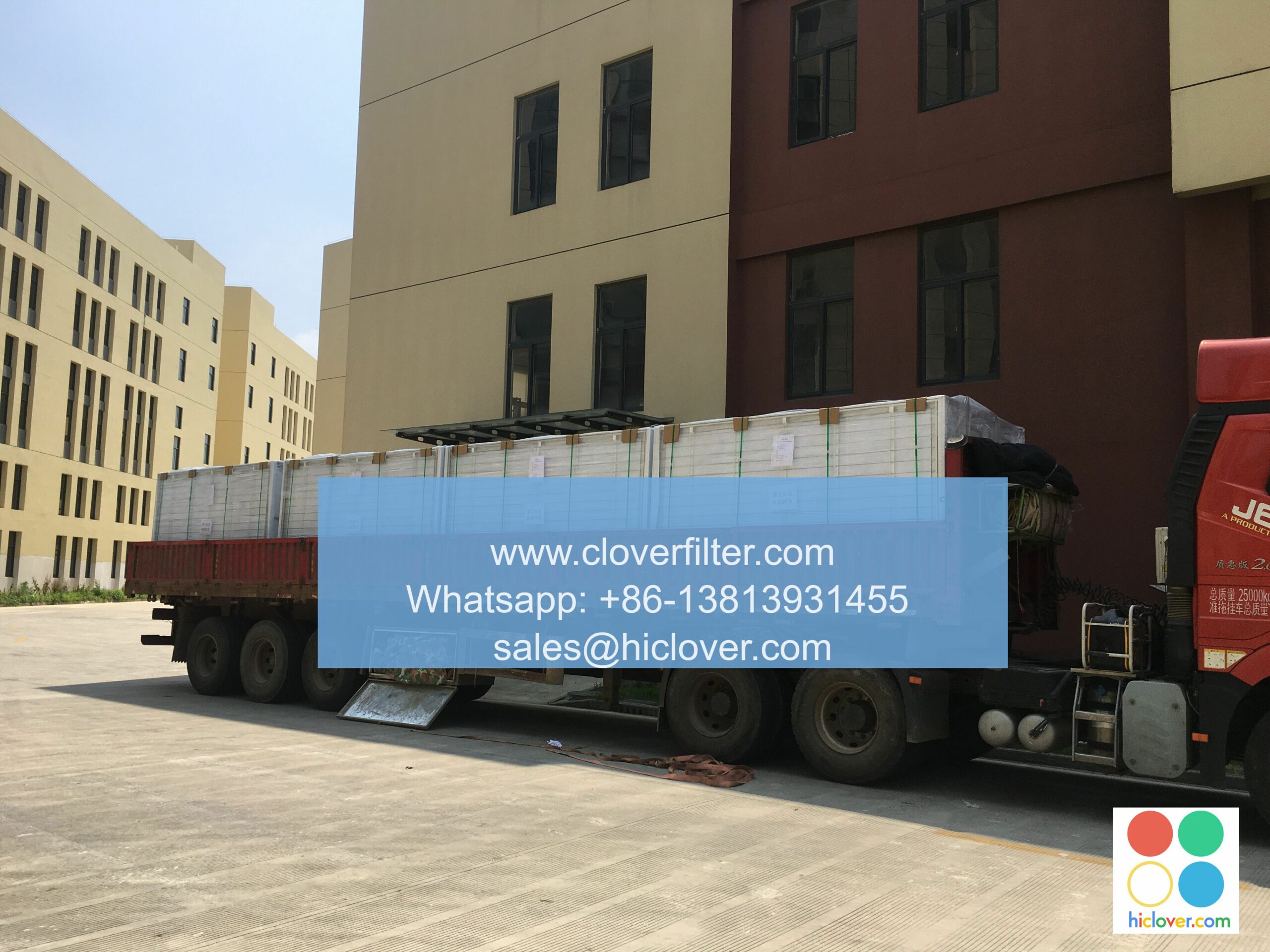
In the world of advanced manufacturing, every detail matters, especially in a facility as large and vital as Samsung’s Tijuana plant. Among the myriad components that ensure operational efficiency and worker safety, Automatic Roll Air Filters stand out as a pivotal technology. This article delves into the significance of these filters, their functionalities, and various application areas within the context of Samsung’s operations.
Understanding Automatic Roll Air Filters

Automatic Roll Air Filters are sophisticated devices designed to continuously purify the air within manufacturing environments. These filters utilize a rolling mechanism to replace dirty filter media automatically, thereby ensuring a constant supply of clean, particulate-free air. This is particularly critical in a manufacturing facility engaged in high-precision electronics production, such as Samsung’s Tijuana plant.
Key Benefits
-
Enhanced Air Quality: Maintaining optimal air quality is essential in any manufacturing process. Pollutants and particulates can compromise product quality and endanger worker health. Automatic Roll Air Filters effectively trap dust, allergens, and harmful particles, enhancing the overall air quality in the plant.
-
Reduced Downtime: Manual filter replacement can be time-consuming and inconvenient, often resulting in extended periods of suboptimal air conditions. The automatic feature of these filters facilitates seamless transitions between filter changes, minimizing operational downtime and enhancing productivity.
-
Cost-Effectiveness: Although the initial investment in Automatic Roll Air Filters can be higher than traditional filters, their longevity and reduced labor requirements contribute to lower overall operational costs over time.
Application Areas within Samsung’s Tijuana Plant
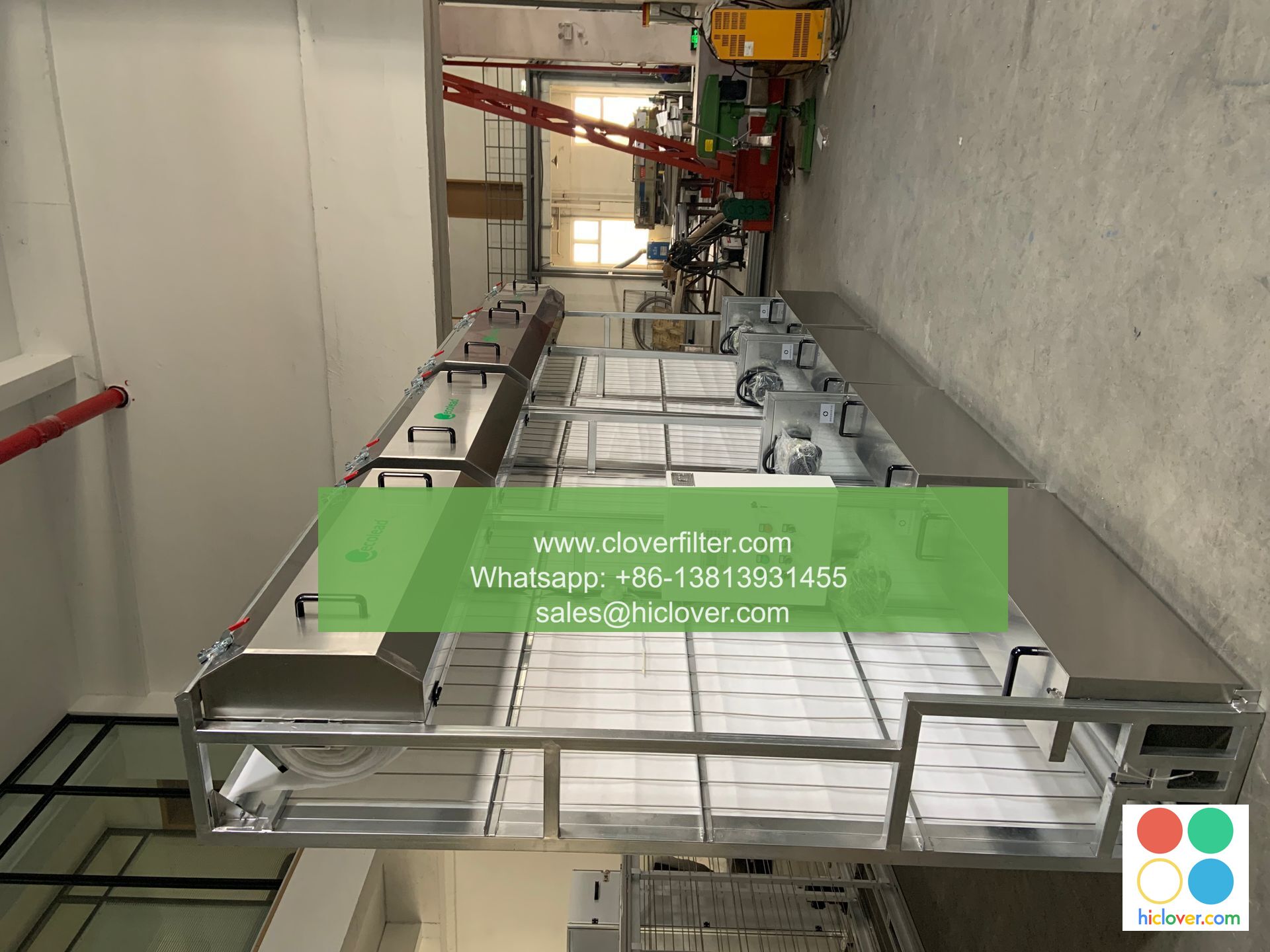
Samsung’s Tijuana plant is characterized by its diverse manufacturing processes, including semiconductor and electronic component production. Automatic Roll Air Filters play a crucial role in various application areas:
1. Semiconductor Production
In semiconductor manufacturing, even the smallest air contaminant can lead to defects. Automatic Roll Air Filters ensure a clean environment, safeguarding the integrity of sensitive components.
2. Assembly Lines
The assembly of electronic devices requires precision. Maintaining high air quality prevents particulate intrusion during assembly, reducing the risk of defects and enhancing product reliability.
3. Packaging Areas
Efficient packaging of electronics necessitates a dust-free environment. Automatic Roll Air Filters help maintain this standard, ensuring that packaged products remain uncompromised and ready for shipment.
4. Employee Workspaces
Worker health is paramount in any manufacturing facility. Clean air contributes to a healthier work environment, enhancing employee morale and reducing potential health-related absences.
Conclusion
The implementation of Automatic Roll Air Filters in Samsung’s Tijuana plant operations is more than just an operational necessity; it is a cornerstone of their commitment to quality, efficiency, and sustainability. As manufacturing processes evolve, investments in such innovative solutions will continue to play a crucial role in maintaining the high standards that Samsung is known for globally.
In summary, as we explore the integration of technology in manufacturing, the Automatic Roll Air Filter serves not just its primary function but as a key player in thriving production environments. By understanding its applications and benefits, companies can leverage these systems for greater efficiency and safer workplaces.
