The Air Filter Alliance Effect: How Partnerships Can Improve Public Health
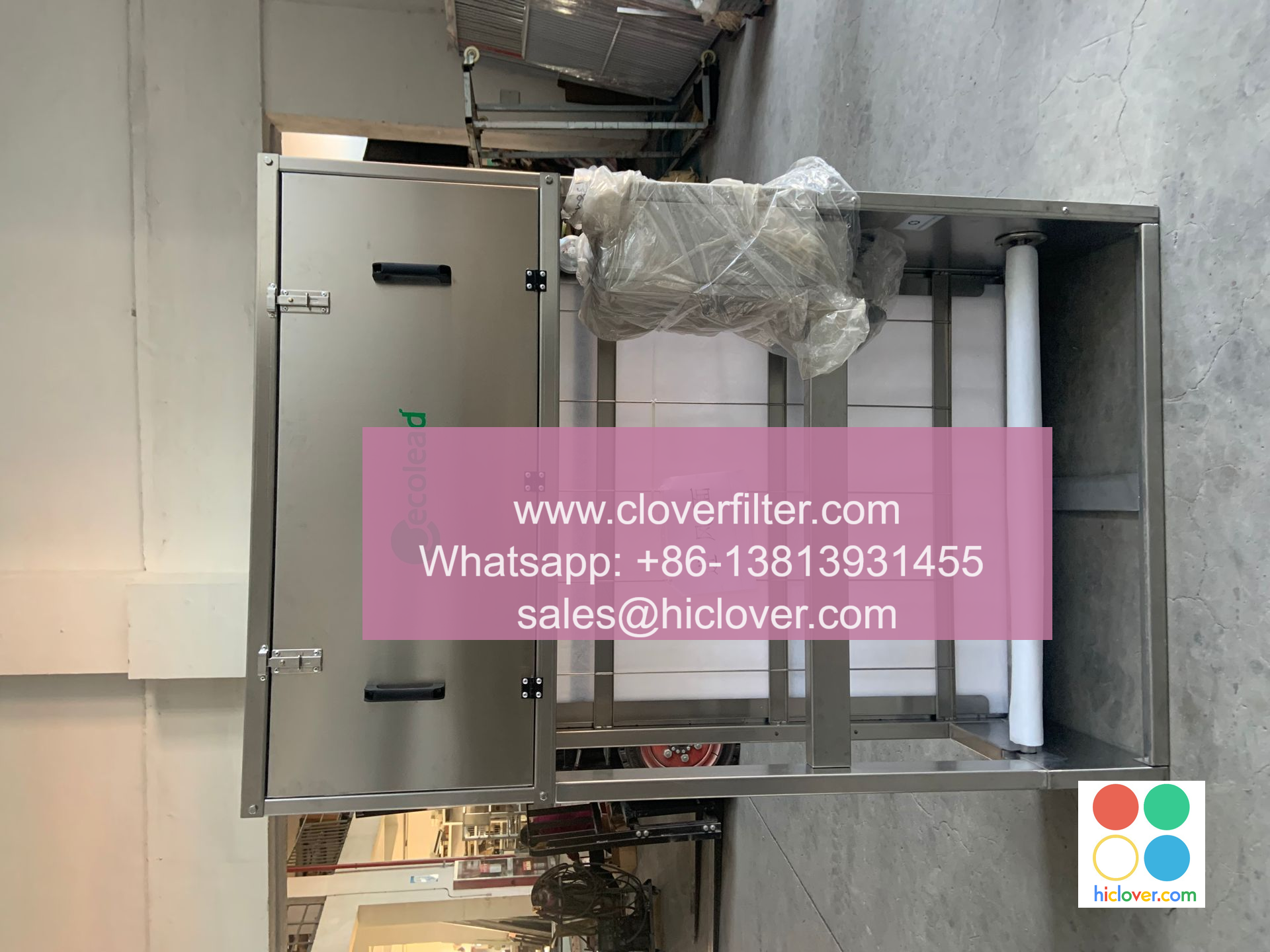
In today’s world, air quality has become a significant concern for public health organizations and policymakers alike. As urban areas continue to grow and industrial activities expand, the presence of pollutants in the air poses serious threats to human well-being. This is where the concept of the Air Filter Alliance Effect comes into play—an innovative approach that leverages partnerships to enhance air quality and improve public health outcomes.
What is the Air Filter Alliance Effect?

The Air Filter Alliance Effect refers to the collaborative efforts between various stakeholders—governments, non-profit organizations, businesses, and communities—to implement effective air filtration solutions and promote better air quality. By pooling resources, expertise, and innovative technologies, partners in this alliance can drive substantial improvements in community health.
Key Benefits of Strategic Partnerships
Strategic partnerships can lead to significant advancements in multiple application areas related to air quality. Here are some of the core benefits:
1. Resource Sharing
By collaborating, organizations can share valuable resources—financial, technological, and human—that individually may be limited. This pooling of resources can allow for the widespread dissemination of air filtration systems where they are most needed, particularly in underserved communities.

2. Enhanced Awareness and Education
The alliance can lead to tailored educational programs that raise awareness about the impact of air pollution on public health. Workshops, seminars, and community outreach initiatives can equip individuals with knowledge on how to protect themselves and their families from air pollutants.
3. Innovative Research and Development
Collaboration fosters innovation. By working together, institutions can develop cutting-edge air filter technologies and solutions tailored to specific environmental challenges. This includes everything from portable air quality sensors to advanced filtration systems for schools and healthcare facilities.
4. Legislative Support
Coalitions can harness their collective voices to advocate for changes at the policy level. By presenting a unified front, they can influence regulations that support air quality improvement initiatives and funding for public health programs.
Application Areas of the Air Filter Alliance Effect
The Air Filter Alliance Effect can be applied across various sectors to generate meaningful change:
1. Urban Environments
With rapidly growing urban populations, cities are often plagued by high levels of air pollution. Partnerships between local governments, NGOs, and tech companies can lead to the installation of air filtration systems in public spaces, such as parks and schools, thereby improving the air quality for the urban population.
2. Indoor Air Quality in Homes and Schools
Indoor air pollution poses serious risks, especially in schools where children spend a significant amount of their time. Collaborations can focus on improving indoor air quality by installing high-efficiency particulate air (HEPA) filters and educating families about maintaining clean air at home.
3. Industrial Applications
Industries play a substantial role in air pollution. Partnering with businesses to adopt and promote cleaner technologies and efficient air filtration systems can significantly reduce emissions, protecting workers’ health and the surrounding communities.
4. Public Health Campaigns
Health organizations can collaborate with media outlets and community leaders to promote campaigns that encourage practices like minimizing outdoor activities during high pollution days and increasing awareness of respiratory illnesses caused by poor air quality.
Conclusion
The Air Filter Alliance Effect exemplifies how effective partnerships can not only improve air quality but also lead to profound benefits for public health. By engaging various stakeholders—from local governments to community organizations—these collaborations can pave the way for a healthier future. By fostering and investing in these alliances, we can collectively work toward cleaner air and a healthier population.
It seems like your message was cut off. Could you please provide more details or clarify what kind of prompt you are looking for? Whether it’s creative writing, discussion topics, or something else entirely, I’d be happy to help!
