The Impact of Automatic Roll Air Filters on Electronics Assembly Plant Employee Health
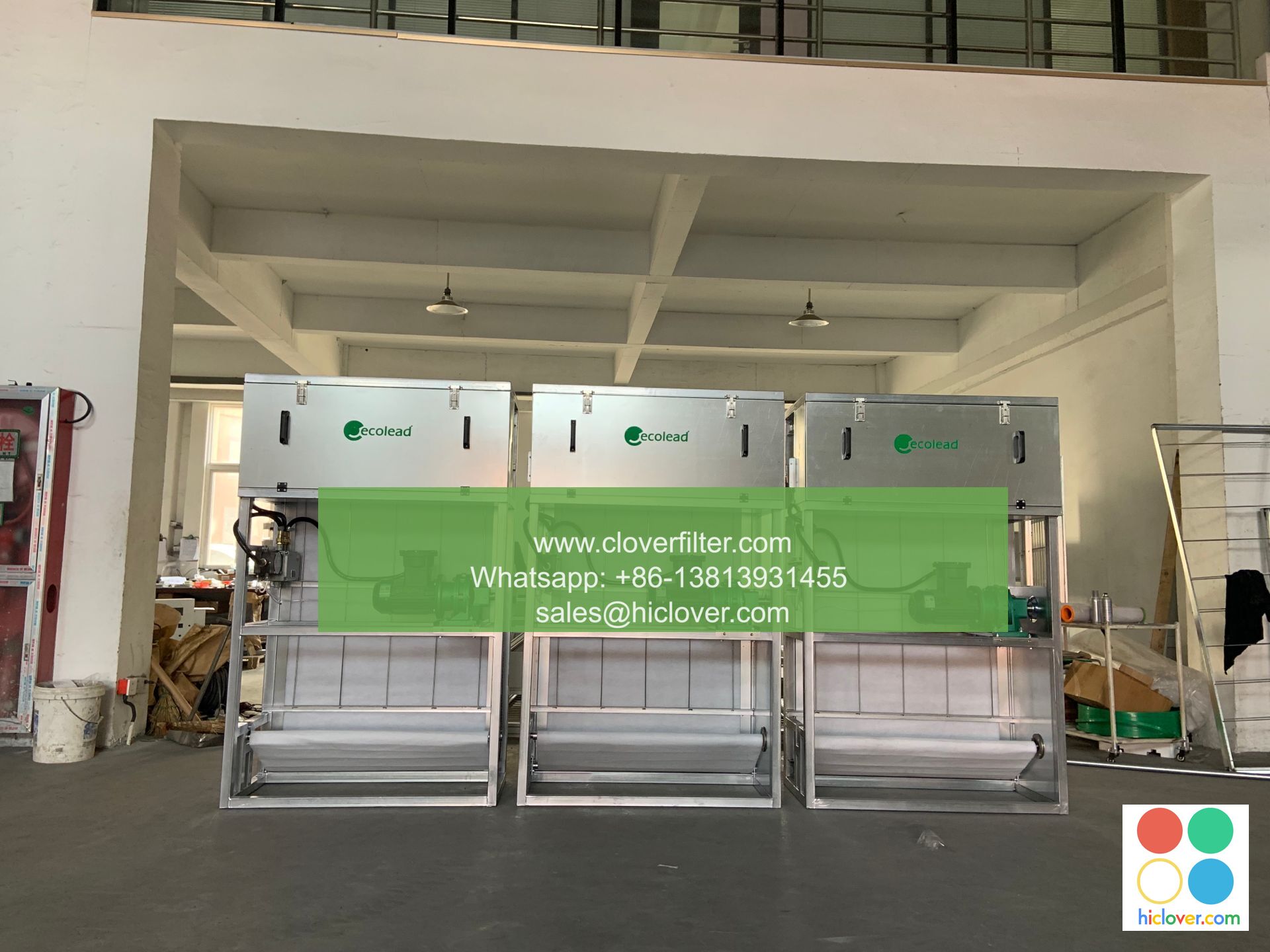
In the rapidly growing electronics manufacturing industry, the health and safety of employees are paramount. One significant advancement in maintaining a safe and healthy work environment is the implementation of automatic roll air filters. These systems are engineered to enhance the air quality in environments where sensitive electronic components are assembled, thereby safeguarding both the health of employees and the integrity of the products being manufactured.
Understanding the Work Environment in Electronics Assembly Plants

Electronics assembly plants often involve the handling of a variety of materials and chemicals, which generate fine dust, vapors, and particulate matter in the air. Prolonged exposure to poor air quality can lead to respiratory problems, allergic reactions, and chronic conditions among workers. Consequently, protecting worker health in this setting is not just a regulatory requirement but also a smart business strategy. Implementing effective air filtration systems is crucial for maintaining an operational environment that prioritizes employee well-being.
The Role of Automatic Roll Air Filters
Automatic roll air filters are designed to continuously purify the air within industrial settings. These systems utilize advanced technology to automatically adjust filtration levels based on real-time air quality measurements. By effectively capturing dust, particulates, and volatile organic compounds (VOCs), these filters improve overall air quality.
One of the crucial advantages of automatic roll air filters is their efficiency. Traditional filters often require manual checks and changes, leading to lapses in air quality and, consequently, worker exposure to harmful contaminants. With automatic systems, the risk of human error is minimized, and maintenance can be scheduled conveniently, ensuring that air purity standards are always maintained.
Health Benefits for Employees
The installation of automatic roll air filters can significantly reduce the frequency of respiratory issues among employees, resulting in decreased absenteeism and increased productivity. Clean air not only enhances the physical health of workers but also contributes positively to their mental well-being. A clean work environment can lead to improved focus and morale, contributing to a more satisfied workforce.
Moreover, minimizing exposure to harmful particles can reduce the long-term health risks associated with chronic respiratory diseases. The importance of these air filters extends beyond immediate comfort; they play a role in fostering a workplace ethos that values employee health and safety.
Conclusion
The implementation of automatic roll air filters in electronics assembly plants represents a proactive approach to employee health and safety. By maintaining high air quality, these systems help mitigate health risks associated with poor air conditions. As the electronics manufacturing industry continues to evolve, prioritizing the well-being of workers through state-of-the-art filtration technology will remain a fundamental investment. The benefits of such systems are not only visible in employee health outcomes but also contribute to enhanced productivity and overall organizational success.
FAQs
A: Maintenance requirements can vary based on air quality and usage but generally, they need routine checks every three to six months to ensure optimal performance.
A: Yes, efficient air filtration systems can actually reduce energy costs by optimizing the air handling process and reducing the workload on HVAC systems.
A: Absolutely, these filters are designed to capture a variety of particles including pollen and dust, significantly reducing allergens in the workplace.
A: Yes, improved air quality can lead to enhanced focus and energy levels among employees, thereby boosting productivity.
