The Impact of Air Filters on Energy Consumption
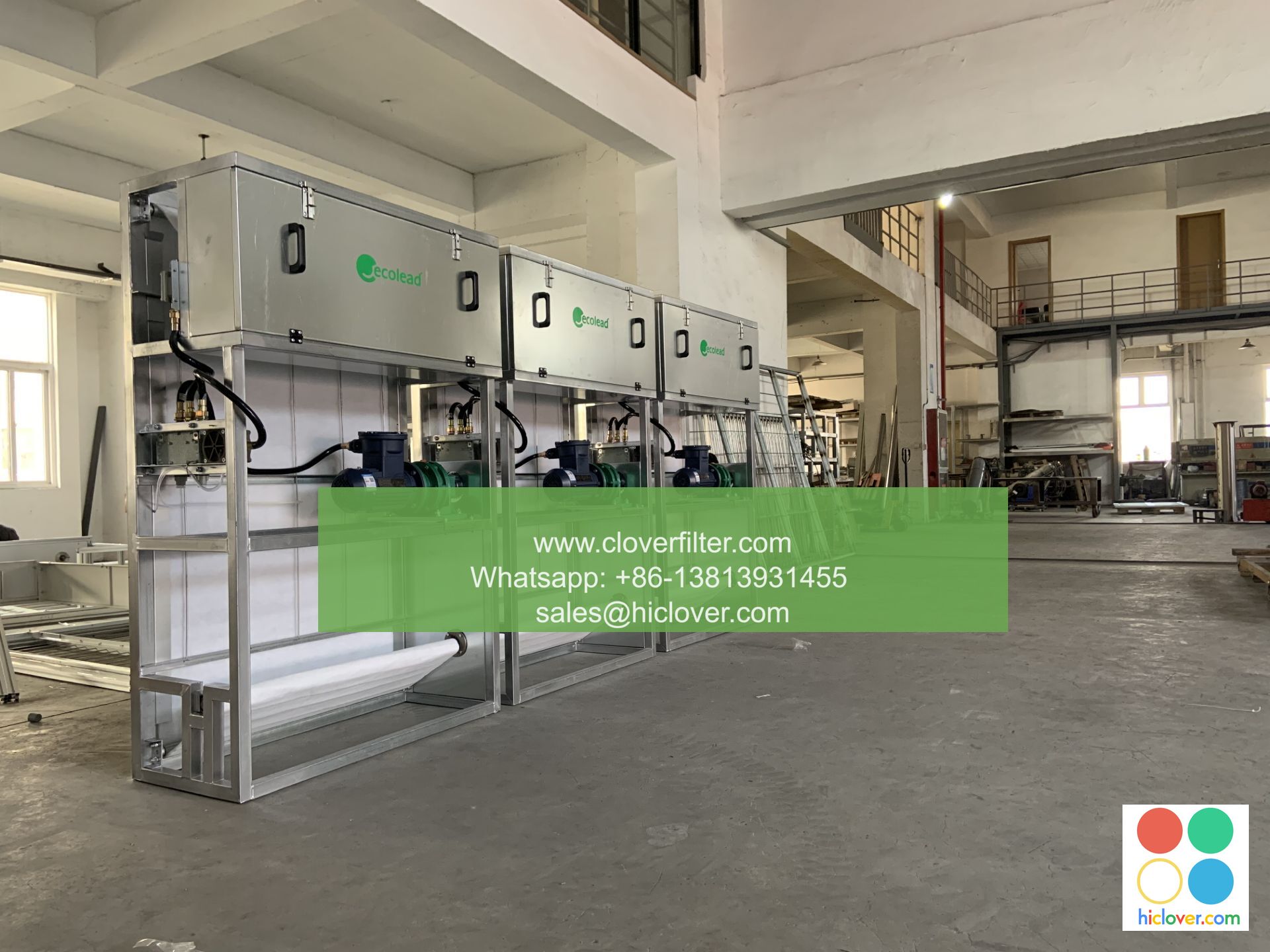
Air filters are crucial components in heating, ventilation, and air conditioning (HVAC) systems, playing a significant role in maintaining indoor air quality (IAQ). However, their impact extends far beyond just trapping dust and allergens. This article explores the relationship between air filters and energy consumption, highlighting various application areas and the importance of selecting the right filtration systems.
Understanding Air Filters and Their Function

Air filters are designed to capture airborne particles, including dust, pollen, smoke, and other pollutants. These filters are employed in a variety of settings such as residential homes, commercial buildings, and industrial facilities. The effectiveness of an air filter is often measured by its Minimum Efficiency Reporting Value (MERV) rating, which indicates its ability to remove particles of different sizes from the air.
Energy Consumption: A Hidden Cost
While air filters are essential for maintaining a healthy indoor environment, they can also influence energy consumption significantly. When air filters are clogged or not appropriately rated for the system, they can impede airflow, forcing HVAC systems to work harder to maintain temperature and air quality. This increased workload leads to higher energy consumption, which can result in elevated utility bills and unnecessary wear and tear on equipment.
Impacts in Residential Settings
In residential homes, air filters contribute to energy efficiency in a couple of ways. Firstly, a clean and efficient air filter allows HVAC systems to operate at optimal levels, reducing energy usage. Regularly changing or cleaning filters can lead to substantial savings—some estimates suggest that households can save between 5% to 15% on their energy bills simply by maintaining their air filters. Secondly, selecting filters with an appropriate MERV rating ensures effective filtration without creating excessive resistance in the airflow.

Commercial Buildings and Indoor Air Quality
In commercial settings, the implications of air filters on energy consumption can be even more pronounced. Businesses often experience high foot traffic, leading to increased airborne contaminants. High-performance air filters can drastically reduce the number of pollutants in the air, improving employee well-being and productivity. However, businesses also face higher energy costs if their HVAC systems are not equipped with suitable filters. Studies have shown that investing in higher quality air filters can lead to improved energy efficiency and potentially offset the upfront costs through savings on energy bills.
Industrial Facilities: Balancing Filtration and Efficiency
In industrial environments, air quality is crucial not only for worker safety but also for equipment maintenance. Pollution control often requires robust filtration systems capable of handling larger particles and hazardous contaminants. However, these systems can consume significant energy; therefore, industrial facilities must strike a balance between maintaining air quality and minimizing energy consumption. Advanced filtration technologies like electrostatic filters or high-efficiency particulate air (HEPA) filters can achieve this balance, providing effective filtration while limiting energy use.
Choosing the Right Air Filter
The relationship between air filters and energy consumption underscores the importance of selecting the right filter for your needs. Factors to consider include:
- MERV Rating: Choose a filter with an appropriate MERV rating, balancing filtration efficiency with airflow requirements.
- Type of Filter: Consider high-efficiency filters for applications where air quality is paramount, but ensure they are compatible with your HVAC system.
- Maintenance Schedule: Establish a regular maintenance routine to clean or replace filters as needed, ensuring optimal performance.
Conclusion: A Win-Win Solution
The impact of air filters on energy consumption is a vital consideration for homeowners, businesses, and industries alike. By investing in the right filtration systems, users can enhance indoor air quality, reduce energy costs, and prolong the lifespan of HVAC equipment. As we continue to prioritize energy efficiency and environmental responsibility, understanding the importance of air filters is crucial for achieving sustainable indoor spaces.
Sure! Could you please provide more details or context for the prompt you’d like? For example, are you looking for a writing prompt, a conversation starter, or something else? Let me know how I can assist you!
