Air Filter Installation for Laboratories and Research Facilities: A Tutorial
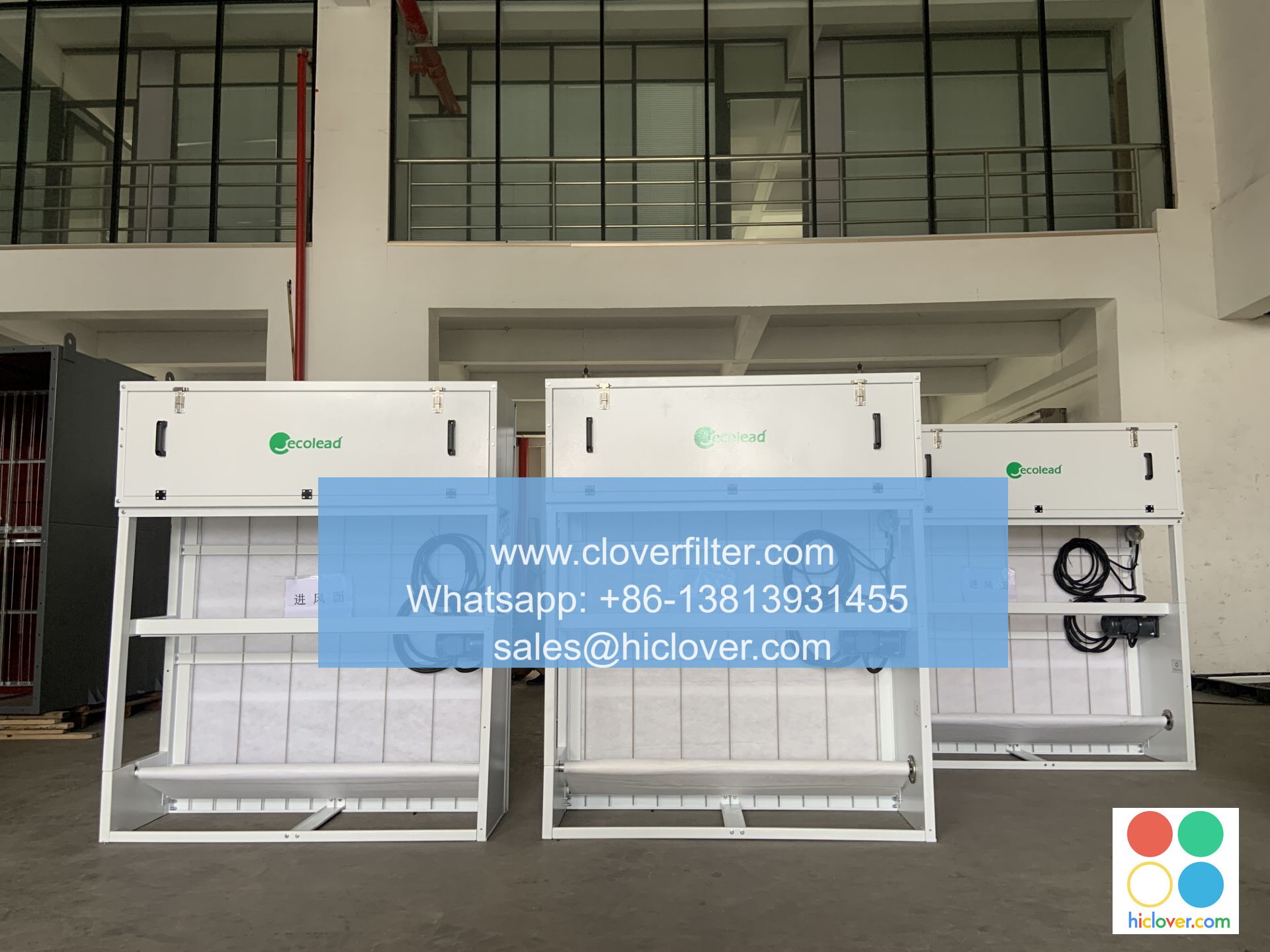
Ensuring clean air is essential in laboratories and research facilities to maintain high standards of safety, accuracy, and reliability. This tutorial guides you through the fundamentals of air filter installation, focusing on various application areas such as biological labs, chemical research facilities, and electronic component testing centers.
Importance of Air Filtration

Effective air filtration systems are vital in protecting personnel, preserving sensitive experiments, and maintaining equipment integrity. Proper installation can greatly reduce contamination, airborne pathogens, and particulates. The major application areas for air filters include:
- Biological Research Labs: Filtering out pathogens and ensuring sterile environments.
- Chemical Laboratories: Removal of volatile organic compounds (VOCs) and hazardous fumes.
- Environmental Testing Facilities: Monitoring and filtering particulate matter and pollutants.
- Pharmaceutical Production: Maintaining clean air during drug formulation and packaging.
- Electronics Manufacturing: Preventing dust and static buildup in cleanrooms.

Types of Air Filters
Before diving into the installation process, it is essential to understand the different types of air filters available:
- HEPA Filters: High-efficiency particulate air filters that capture 99.97% of particles down to 0.3 microns.
- Pre-Filters: Used to catch larger particles and prolong the life of HEPA filters.
- Activated Carbon Filters: Effective in removing odors, gases, and VOCs from the air.
- ULPA Filters: Ultra-Low Penetration Air filters that trap even smaller particles than HEPA filters.
Step-by-Step Air Filter Installation
The following steps outline how to properly install air filters in your laboratory or research facility:
Step 1: Assess Your Environment
Determine the specific filtration needs based on the activities conducted in your lab. Identify whether you need HEPA, ULPA, or activated carbon filters based on the pollutants and contaminants present.
Step 2: Choose the Right Filter
Consult with experts to choose filters with the correct specifications, including airflow rate and size that fit your HVAC systems.
Step 3: Safety Precautions
Before starting the installation, ensure to wear appropriate personal protective equipment (PPE), such as gloves and masks, to protect yourself from contaminants.
Step 4: Turn Off the HVAC System
To avoid disrupting lab operations and to ensure safety, turn off the HVAC system prior to installation.
Step 5: Remove the Old Filters
Carefully remove existing air filters, noting their positions and any specific requirements for replacement.
Step 6: Install New Filters
Install the new filters in the designated slots, ensuring a snug fit and proper orientation according to manufacturer guidelines.
Step 7: Turn On the HVAC System
Once the new filters are installed, turn on the HVAC system to test for proper airflow and monitor for any unusual noises or leaks.
Step 8: Regular Maintenance
Schedule routine checks to replace or clean filters as needed, ensuring the air filtration system continues to operate effectively.
Conclusion
Air filter installation is an essential aspect of maintaining a controlled environment in laboratories and research facilities. By following the proper steps and utilizing the right types of filters, you can significantly improve air quality, safeguard your experiments, and protect the well-being of staff. Make air quality a priority for the success of your research!
It seems like you’re looking for a writing prompt! Here are a few options to inspire you:
-
Science Fiction: In a world where memories can be traded like currency, a memory dealer discovers a hidden truth that could alter society forever.
-
Fantasy: A young scribe finds an ancient scroll that awakens a long-dormant dragon. Together, they embark on a quest to recover the lost magic of the realm.
-
Mystery: A small town is shaken when a beloved local figure mysteriously disappears. As a newcomer investigates, they uncover secrets that the townspeople would rather keep buried.
-
Romance: Two rival chefs compete in a prestigious culinary competition but find themselves falling for each other amidst the chaos of the kitchen.
-
Historical Fiction: Write a story based on the life of a lesser-known figure from a historical event, capturing their experiences and how they influenced the outcome.
Let me know if you want more options or a specific genre!
