How Pre-Filtration Improves Air Quality in Vaccine Manufacturing Facilities
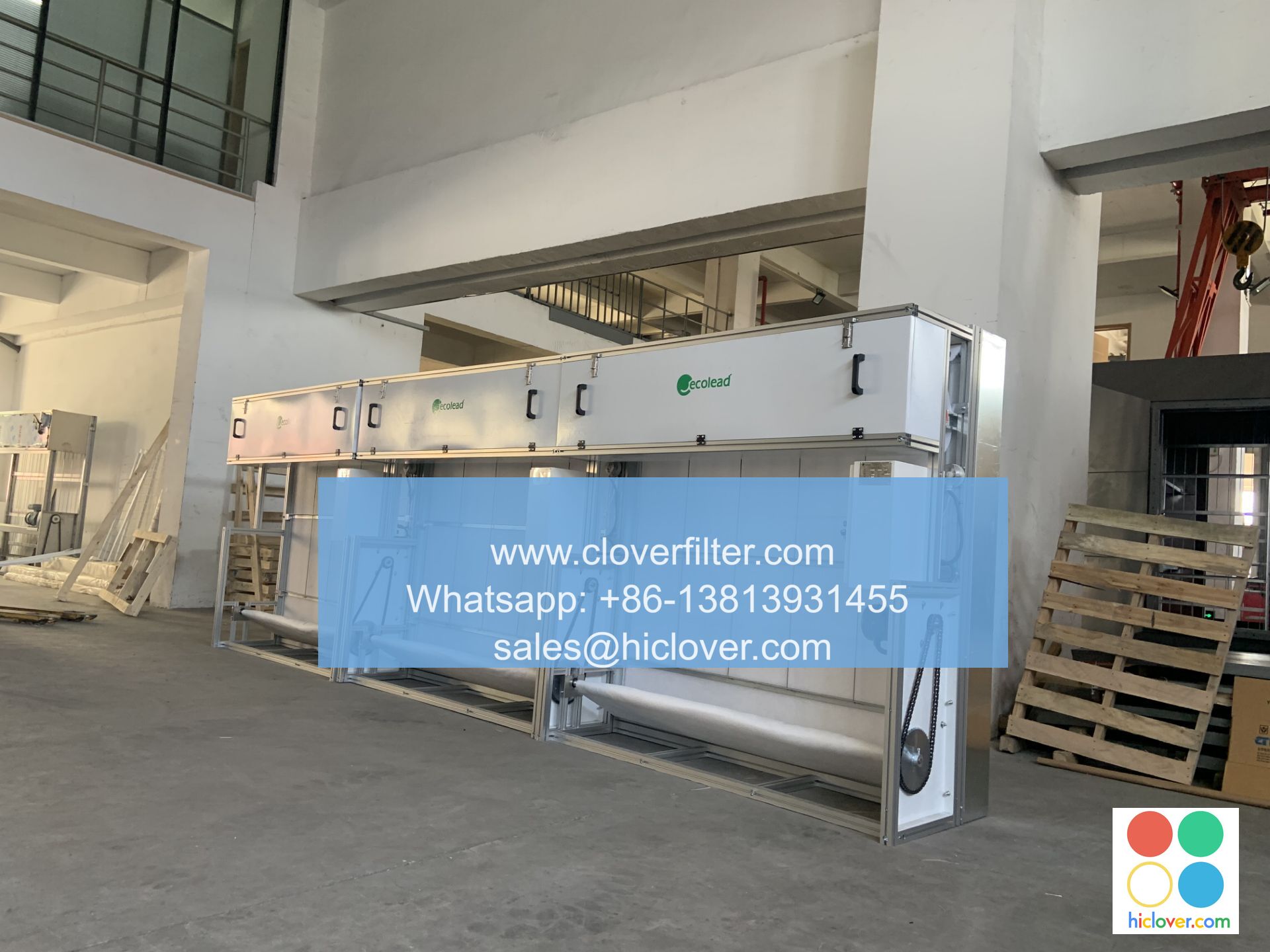
In the highly sensitive environment of vaccine manufacturing, maintaining stringent air quality standards is paramount. A crucial aspect of achieving this is pre-filtration, which serves as the first line of defense against airborne contaminants. This article delves into how pre-filtration not only elevates air quality but also enhances the overall safety and efficiency of vaccine production.
What is Pre-Filtration in Air Quality Management?

Pre-filtration refers to the initial stage of air filtration where larger particles, dust, and other contaminants are removed from the air before it enters more sophisticated filtration systems. This process is vital in environments that require sterile and controlled conditions, such as vaccine manufacturing facilities.
Key Benefits of Pre-Filtration
-
Enhanced Air Quality: By capturing larger particles like dust, pollen, and mold spores, pre-filters significantly improve the overall quality of air being circulated within manufacturing units.
-
Extended Filter Lifespan: Removing larger particulates means that subsequent filters can operate more efficiently and for longer periods without becoming clogged. This leads to reduced maintenance costs and longer replacement intervals.
-
Reduced Contaminant Load: Pre-filters help in mitigating the load on HEPA filters and other advanced filtration systems, ensuring they perform optimally and maintain integrity against smaller pathogens, which is crucial for vaccine safety.
Application Areas of Pre-Filtration in Vaccine Manufacturing
Cleanroom Environments
In cleanroom facilities, where the manufacturing of vaccines occurs, stringent air quality standards are enforced. Pre-filtration becomes crucial here, as it ensures the air entering these sterile environments is as clean as possible. By maintaining air cleanliness, vaccine developers can ensure the safety and efficacy of their products.
Bioprocessing Areas
In bioprocessing, where live cultures are involved, the risk of contamination is high. Pre-filters help protect the integrity of biological samples by filtering out potential contaminants before they can enter the process. This is particularly vital in the production of live-attenuated vaccines, where even small contaminants can derail the entire manufacturing process.
Packaging and Storage
Air quality doesn’t only matter during production; it extends to the packaging and storage phases as well. In these areas, pre-filters ensure that air quality remains optimal, protecting the vaccines from contamination that could arise from dust particles or airborne pathogens during handling.
Conclusion
The importance of pre-filtration in maintaining air quality in vaccine manufacturing facilities cannot be overstated. From enhancing air cleanliness and prolonging the lifespan of filtration systems to ensuring the safety and efficacy of vaccines, pre-filtration is a fundamental component of the entire manufacturing process. As the demand for vaccines continues to grow, implementing effective air quality management solutions such as pre-filtration becomes increasingly critical for the success and safety of vaccine production. By optimizing these processes, manufacturers can ensure they meet regulatory standards while safeguarding public health.
Sure! What kind of prompt are you looking for? It can be for writing, art, a discussion topic, or something else entirely. Please provide more details!
