Why Nairobi Public Hospitals Need Advanced Dust Filtration Systems
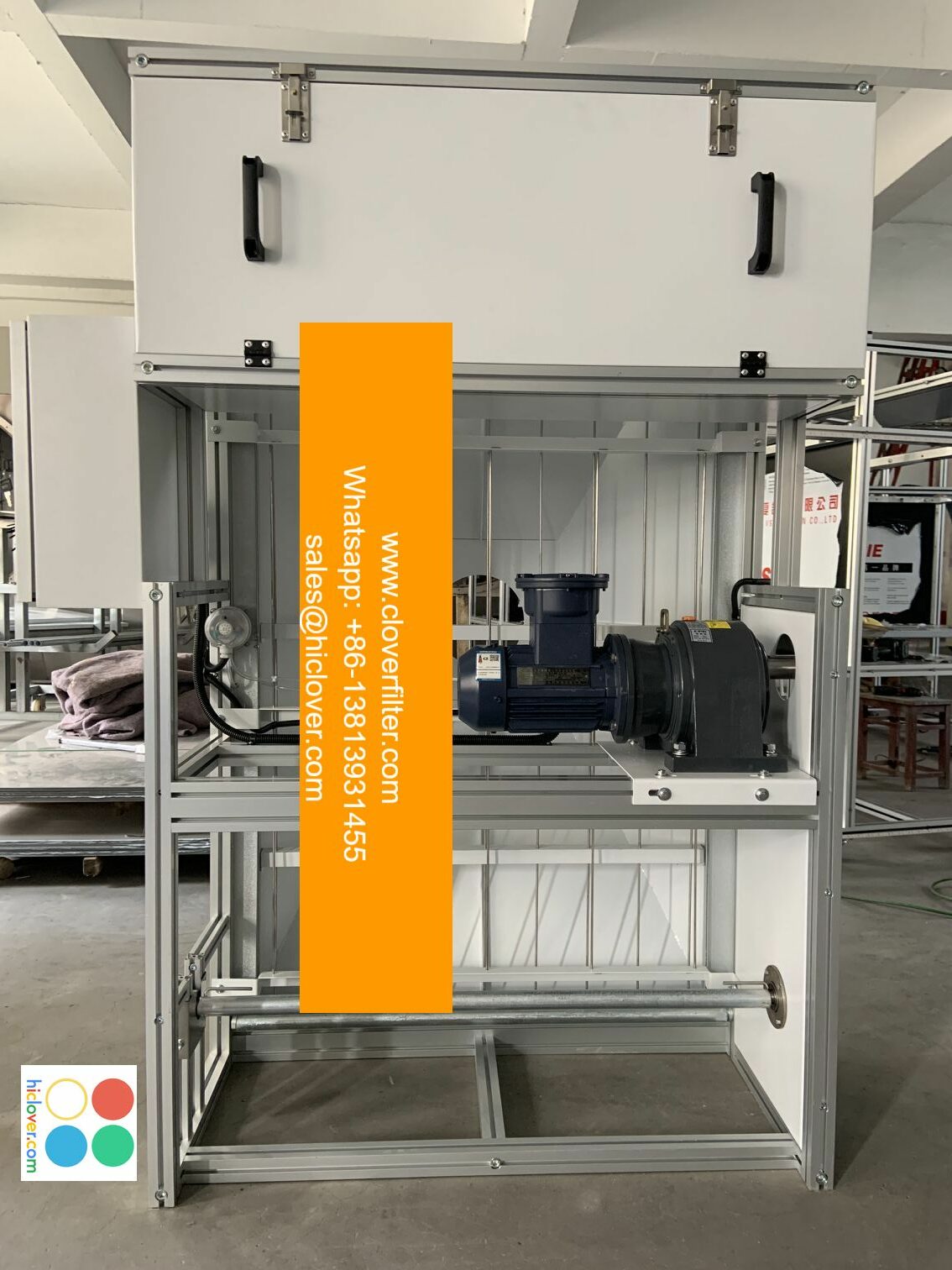
Nairobi, the bustling capital of Kenya, is not only a hub for commerce and culture but also a city grappling with air pollution challenges. Public hospitals in Nairobi serve thousands of patients daily, making it imperative to ensure a clean and safe environment for patients, healthcare workers, and visitors. One effective solution is the implementation of advanced dust filtration systems.
Understanding the Stakes: Health Risks from Airborne Particulates

Airborne dust particles, including pollen, soot, and other contaminants, pose a significant health risk, especially in hospital settings where patients may have compromised immune systems. According to health experts, prolonged exposure to polluted air can lead to respiratory illnesses and exacerbate conditions such as asthma and chronic obstructive pulmonary disease (COPD).
The Role of Advanced Dust Filtration Systems
Advanced dust filtration systems use high-efficiency particulate air (HEPA) filters and other technologies designed to trap airborne particles at a microscopic level. These systems have several advantages:
- Improved Air Quality: By filtering out harmful dust and particulates, hospitals can significantly enhance the indoor air quality.
- Infection Control: Maintaining a clean environment is crucial for preventing nosocomial infections.
- Patient Recovery: Clean air has been shown to accelerate patient recovery and improve overall health outcomes.
Application Areas in Nairobi Public Hospitals
Implementing advanced dust filtration systems in Nairobi’s public hospitals can benefit various application areas:
1. Emergency Rooms (ER)
The Emergency Room is where patients with acute conditions seek immediate care. Enhanced air filtration can reduce exposure to harmful pathogens and allergens, thereby improving patient stability during critical moments.
2. Surgical Departments
In surgical departments, the risk of infection is heightened due to open wounds. Advanced filtration systems can help minimize airborne contaminants, ensuring a sterile environment for surgical procedures.
3. Intensive Care Units (ICU)
ICUs house patients with serious health issues. Clean air is crucial in supporting their recovery, making dust filtration systems a vital component for safeguarding these sensitive areas.
4. Neonatal Wards
Newborns, particularly those in neonatal units, are extremely vulnerable. Advanced filtration can protect these delicate patients from harmful air pollutants, contributing to their health and development.
Challenges and Considerations
While the advantages are clear, implementing advanced dust filtration systems does come with its challenges. Hospitals must consider initial costs, ongoing maintenance, and applicable regulations. However, investing in better air quality is a long-term gain not only for hospital operations but also for public health.
Conclusion: A Necessity for Public Health
As Nairobi continues to develop, the need for clean air in public hospitals cannot be overstated. Advanced dust filtration systems present a viable solution for improving air quality, enhancing patient safety, and overall public health. It’s time for stakeholders to prioritize these systems and invest in the well-being of Nairobi’s citizens.
It seems like you might have a prompt in mind or need one for a specific purpose. Could you please clarify what type of prompt you are looking for? Whether it’s for creative writing, a discussion topic, or something else entirely, I’d be happy to help!
