Environmental Impact of Dust Control: Automatic Filters in Alexandria Grain Terminals
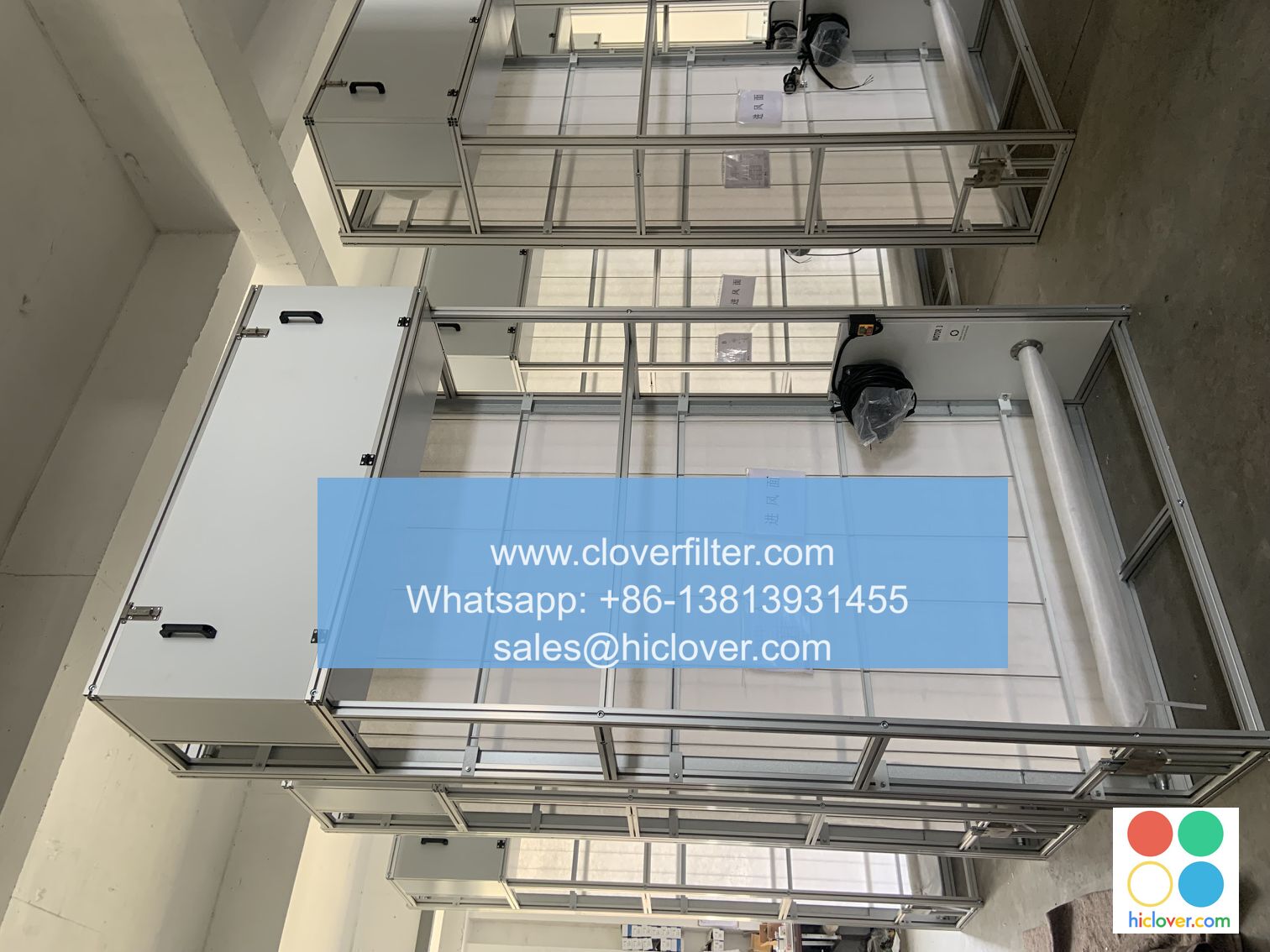
The grain industry plays a pivotal role in global food supply chains, and the Alexandria grain terminals serve as vital points for storage, processing, and distribution. However, the operations involved can generate significant dust emissions, creating environmental challenges that need to be addressed. This article explores the environmental impact of dust control, focusing on the implementation of automatic filters in Alexandria grain terminals.
The Importance of Dust Control

Dust particles can have detrimental effects on air quality and public health. In grain terminals, dust is primarily generated during loading, unloading, and transportation processes. This fine particulate matter can lead to respiratory issues and pose risks to workers and nearby residents. Moreover, dust accumulation can cause operational inefficiencies, leading to increased maintenance costs and reduced productivity.
Automatic Filters: A Solution for Alexandria Grain Terminals
To combat the environmental impact of dust, the grain terminals in Alexandria have adopted automatic filters as part of their dust control strategy. These sophisticated systems utilize advanced filtration technologies that capture volatile materials and minimize emissions effectively.
How Automatic Filters Work
Automatic filters operate by drawing in air contaminated with dust particles and passing it through a series of filter elements. The contaminants are trapped while clean air is released back into the atmosphere. This process is often enhanced with features such as:
- Self-cleaning mechanisms that reduce maintenance needs and improve operational efficiency.
- Real-time monitoring systems that provide data on dust levels and filter conditions.
- Energy-efficient designs that minimize energy usage while maximizing filtration effectiveness.
Application Areas of Automatic Filters in Grain Terminals
The implementation of automatic filters in grain terminals covers several critical operations:
- Loading and Unloading Operations: Reducing airborne dust during the transfer of grain from trucks or ships.
- Storage Facilities: Maintaining air quality inside storage silos and preventing dust accumulation.
- Processing Areas: Ensuring safe working environments by controlling dust generated during grain processing activities.
Environmental Benefits of Implementing Automatic Filters
The adoption of automatic filters in Alexandria grain terminals yields extensive environmental benefits, including:
- Improved Air Quality: By significantly reducing dust emissions, air quality in and around the terminal is enhanced, protecting both workers and the community.
- Reduced Environmental Impact: Lower dust levels contribute to a decrease in soil and water contamination, supporting local ecosystems.
- Regulatory Compliance: Automatic filters help grain terminals meet environmental regulations and standards, avoiding penalties and promoting sustainable operations.
Conclusion
As the demand for grain continues to rise globally, Alexandria grain terminals face the dual challenge of maintaining productivity while minimizing environmental impact. Automatic filters provide a robust solution by effectively controlling dust emissions, thereby enhancing air quality and protecting public health. Through modern technology and responsible practices, the grain industry can operate sustainably, balancing economic growth with environmental stewardship.
It seems like you would like to provide a prompt or have one generated. Could you please clarify what type of prompt you are looking for? For example, are you interested in a creative writing prompt, a discussion question, a coding challenge, or something else? Let me know so I can assist you better!
