A Comprehensive Guide to Automatic Roll Intake Filters for Grain Elevators
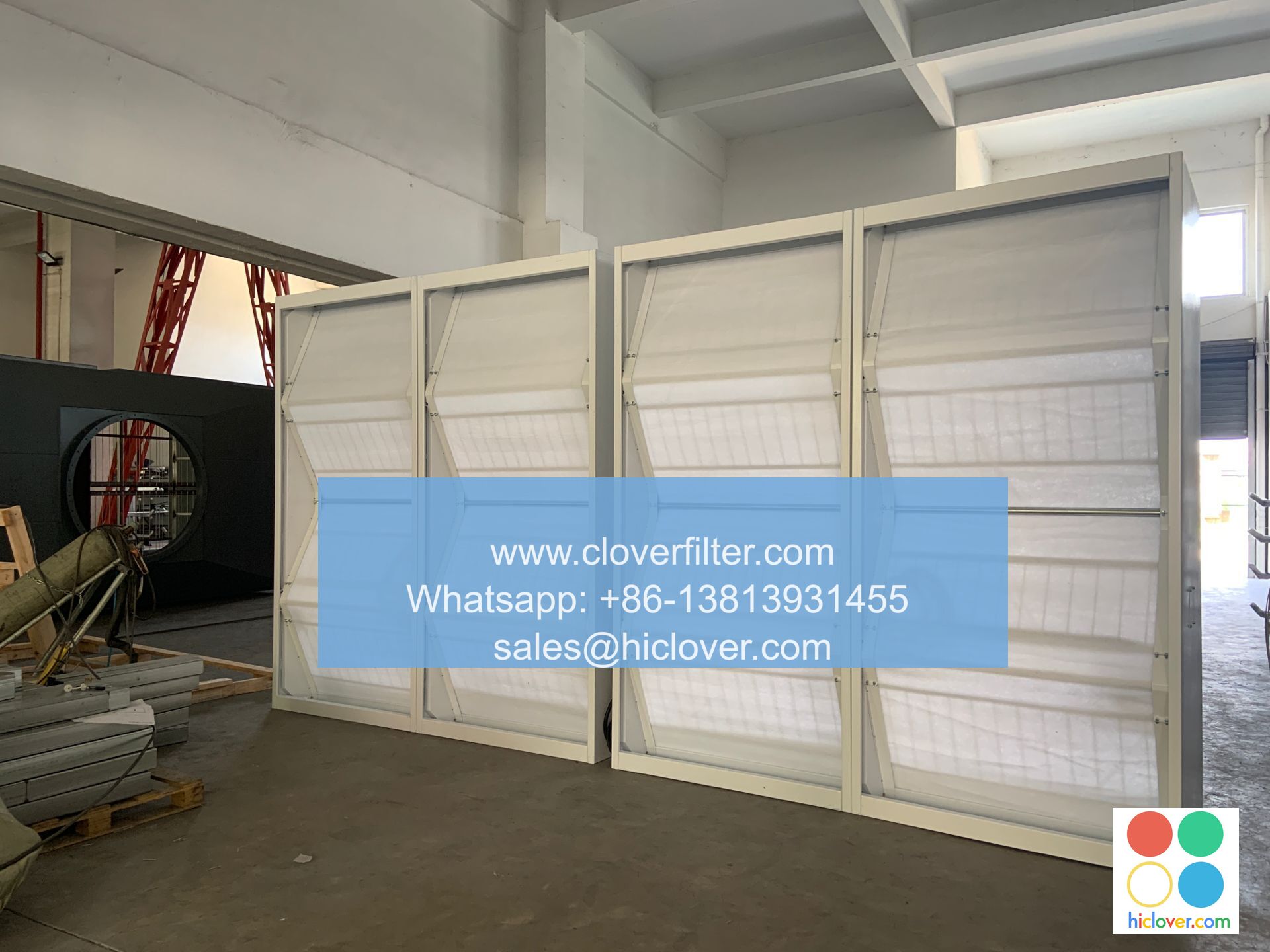
In the ever-evolving agricultural and grain handling industry, automatic roll intake filters have emerged as essential components in grain elevators. These systems are crucial for ensuring the cleanliness and quality of grain during storage and transportation. This article aims to provide a detailed overview of automatic roll intake filters, discussing their functions, applications, and benefits.
What are Automatic Roll Intake Filters?

Automatic roll intake filters are specialized devices designed to remove impurities and debris from grain as it enters the elevator system. These filters utilize a rotating roll mechanism to trap particles, ensuring only clean grain proceeds to storage or processing. The use of these filters minimizes contamination risks and preserves grain quality.
How Do Automatic Roll Intake Filters Work?
The operation of automatic roll intake filters involves several key steps:
- Grain Intake: As grain enters the elevator, it passes through the roll filter mechanism.
- Debris Trapping: The rotating rolls capture dirt, seeds, and other foreign material, preventing them from entering the storage system.
- Automatic Cleaning: Many models feature self-cleaning capabilities, where the system automatically ejects collected debris, ensuring continuous operation.
- Grain Quality Preservation: Clean grain proceeds to the elevator, reducing the risk of spoilage and increasing storage efficiency.
- Enhanced Grain Quality: By removing contaminants, these filters help maintain the quality and safety of stored grain.
- Reduced Labor Costs: Automatic cleaning systems decrease the need for manual maintenance and cleaning, saving time and labor.
- Improved Efficiency: With less downtime and smooth operations, grain elevators can process larger quantities of grain more efficiently.
- Cost-Effectiveness: Protecting grain quality reduces the need for spoilage losses, providing a significant return on investment.
- Commercial Grain Elevators: Ensuring large-scale storage systems maintain high standards of cleanliness.
- Processing Facilities: Serving as the first line of defense against contaminants before grain enters production lines.
- Feed Mills: Protecting equipment and ensuring the safety of feed products by filtering out impurities.
- Biomass and Biofuel Production: Maintaining the quality of raw materials used in energy production.
- System Capacity: Ensure the filter matches the volume of grain processed by the elevator.
- Filtration Efficiency: Look for filters with high contaminant removal rates to maximize grain quality.
- Maintenance Requirements: Assess the ease of maintenance and the need for manual intervention.
- Cost: Evaluate the filter’s price in relation to its features and the long-term savings it provides.
Key Benefits of Automatic Roll Intake Filters
Investing in automatic roll intake filters offers various advantages, including:
Applications of Automatic Roll Intake Filters
Automatic roll intake filters are used in various application areas within the grain handling industry:
Choosing the Right Automatic Roll Intake Filter
When selecting an automatic roll intake filter for a grain elevator, consider the following factors:
Conclusion
Automatic roll intake filters play a vital role in the grain elevator industry, contributing significantly to grain quality and operational efficiency. By understanding their benefits, applications, and selection criteria, grain handlers can make informed decisions that ensure the success of their operations. Implementing these systems not only enhances grain safety but also leads to cost-effective and sustainable practices in grain handling. Investing in the right filtration technology is, therefore, essential for the future of agriculture and grain management.
It seems like you might be looking for a specific prompt or topic to discuss. Could you please provide more details or clarify what you’re looking for? Whether it’s a writing prompt, a question for discussion, or something else entirely, I’d be happy to help!
