Air Filter Maintenance: Best Practices for Technicians

Air filter maintenance is a critical task for technicians in various sectors, including HVAC systems, automotive, and industrial machinery. Effective maintenance ensures optimal performance, longevity, and energy efficiency. This article outlines best practices for technicians to maintain air filters across multiple application areas.
Understanding the Importance of Air Filters

Air filters are essential components that enhance air quality by trapping dust, pollen, mold spores, and other airborne particles. Regular maintenance is crucial for:
- Preventing equipment damage: Dirty filters can cause strain on systems, leading to potential failures.
- Improving energy efficiency: Clean filters reduce energy consumption by ensuring systems operate smoothly.
- Extending lifespan: Proper filter maintenance prolongs the life of HVAC units, vehicles, and industrial machines.
Best Practices for Air Filter Maintenance
1. Regular Inspection
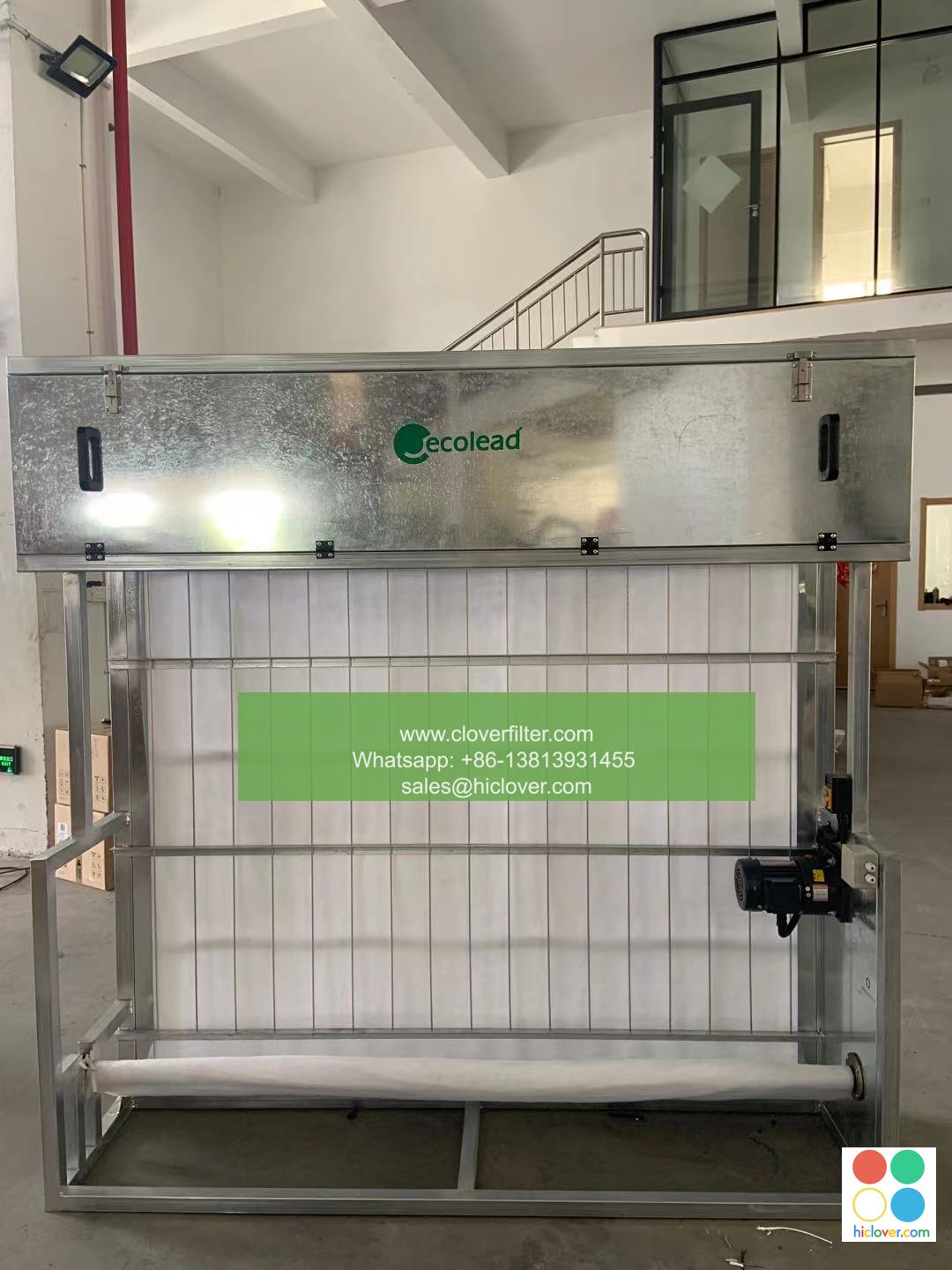
Technicians should regularly inspect air filters as part of routine maintenance. Depending on the application area:
- HVAC Systems: Check filters monthly during peak seasons.
- Automotive: Inspect air filters every 5,000 to 10,000 miles.
- Industrial Equipment: Review filters based on operational hours and environmental conditions.
2. Proper Cleaning Techniques
For reusable filters, cleaning is essential. Follow these techniques:
- Vacuuming: Use a vacuum with a brush attachment to remove initial dust buildup.
- Water Rinse: Rinse filters with lukewarm water and let them dry completely before reinstalling.
- Avoid Detergents: Steering clear of harsh chemicals helps maintain filter integrity.
3. Timely Replacement
Not all filters are reusable. It’s important for technicians to:
- Follow Manufacturer Guidelines: Replace filters based on recommendations given in the product manual.
- Monitor Performance: If air quality declines or systems exhibit inefficiency, consider replacing filters sooner.
4. Document Maintenance Activities
Keeping a detailed record of maintenance activities, including inspection and replacement dates, helps in:
- Understanding Usage Patterns: Insight into filter performance over time aids in more efficient scheduling of replacements.
- Compliance: Documentation is crucial for regulatory compliance in many industries.
Application Areas for Air Filter Maintenance
HVAC Systems
In heating, ventilation, and air conditioning (HVAC) systems, regular air filter maintenance is vital to ensure optimal air flow and indoor air quality.
Automotive Industry
In vehicles, the engine air filters contribute significantly to fuel efficiency. Regular maintenance minimizes strain on the engine and enhances performance.
Industrial Machinery
In manufacturing settings, air filters prevent harmful particulates from entering machinery, protecting equipment and ensuring smooth operations.
Conclusion
Proper air filter maintenance is an integral part of ensuring the efficiency and longevity of various systems across different application areas. By following best practices, technicians can significantly improve performance, reduce costs, and enhance air quality.
It seems like your message might be incomplete. Could you please provide more details or clarify what you need help with? Whether it’s a specific prompt for writing, a question, or something else, I’m here to assist you!
