A Review of the Latest Advances in Automatic Roll Air Filter Technology for Food Packaging Facilities
Introduction
In recent years, the food packaging industry has witnessed a significant advancement in air filtration technologies. One of the most notable innovations is the development of automatic roll air filters. These filters play a crucial role in maintaining clean environments essential for food safety and compliance with health regulations. This article presents a review of the latest advancements in automatic roll air filter technology and their impact on food packaging facilities.

Understanding Automatic Roll Air Filtration
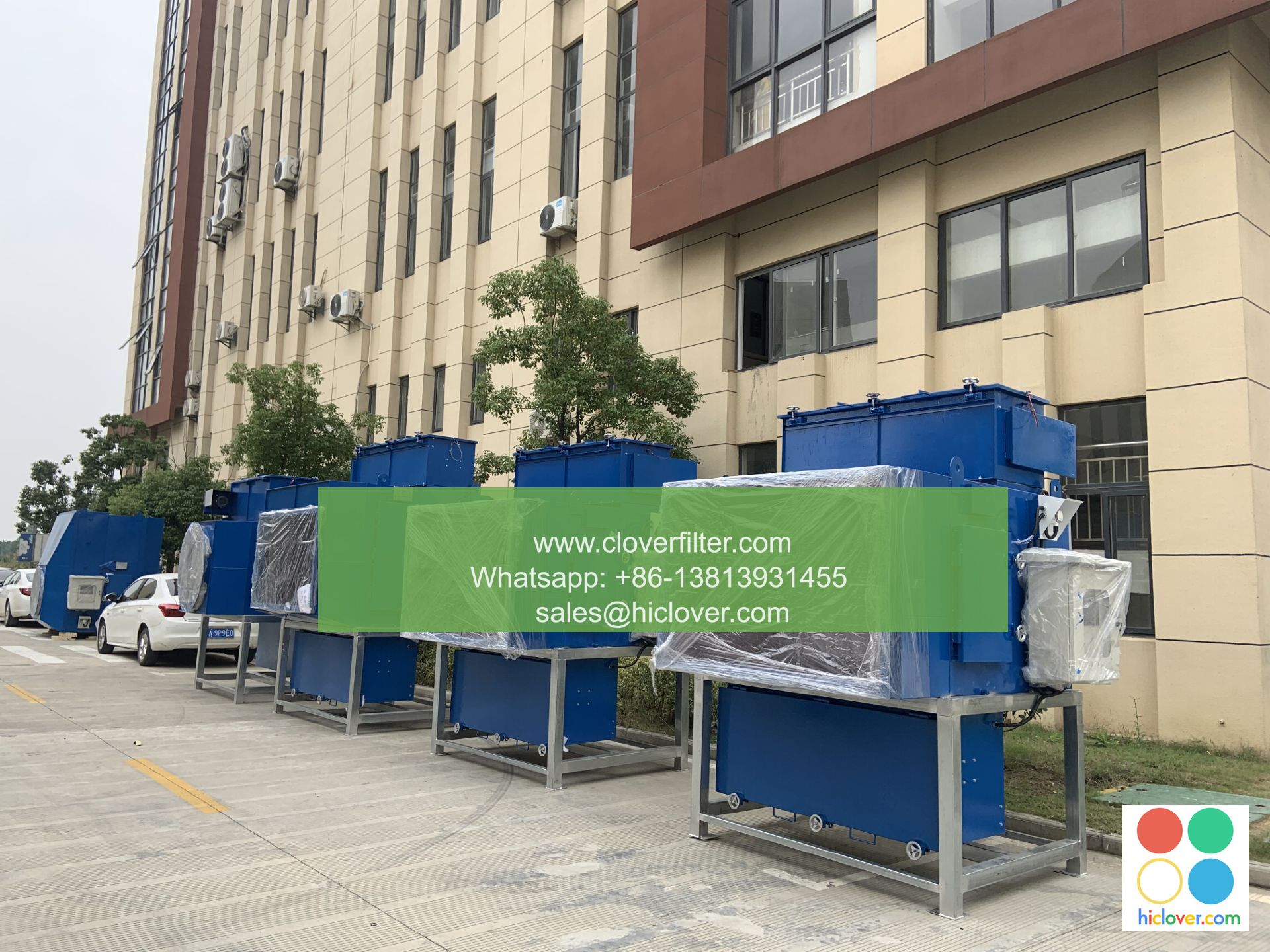
Automatic roll air filters are designed to efficiently remove airborne contaminants, including dust, microbes, and other particulate matter, from the air in food packaging facilities. Unlike traditional air filters that require frequent manual replacement, automatic roll air filters operate on a continuous roll system that allows for automated replacement and maintenance, improving operational efficiency.
Latest Technological Advances
1. Enhanced Filtration Efficiency
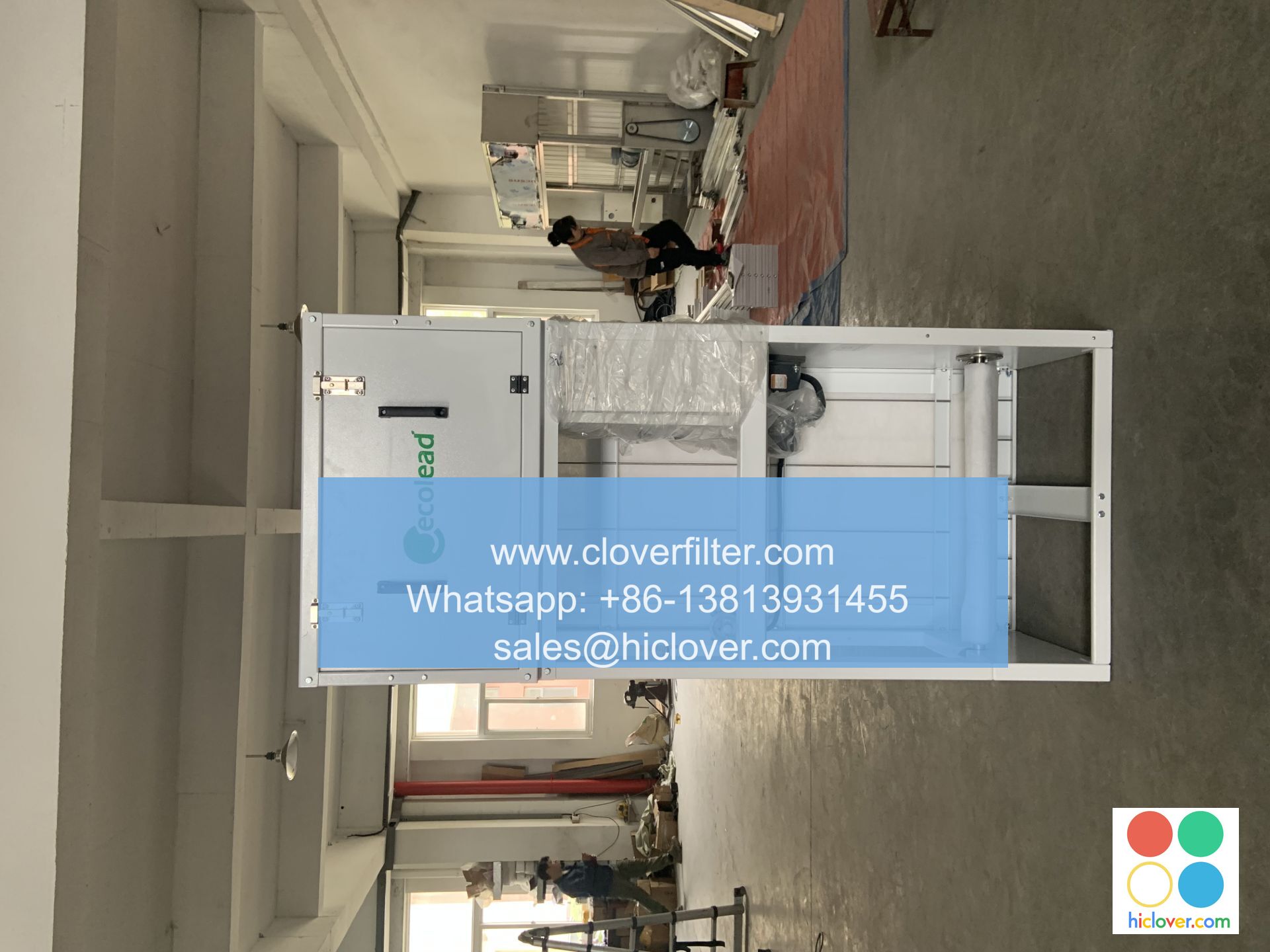
Advancements in material science have led to the development of new media with higher filtration efficiencies. Modern automatic roll air filters utilize advanced fiber technology that captures a greater percentage of particles, including ultrafine contaminants. These materials often undergo treatments that enhance their antimicrobial properties, crucial for ensuring a safe packaging environment.
2. Smart Monitoring Systems
Another notable innovation is the integration of smart technology into air filtration systems. Many new models come equipped with IoT (Internet of Things) capabilities, allowing real-time monitoring of air quality. These systems can automatically adjust filtration rates based on detected contamination levels, optimizing performance and reducing energy consumption.
3. Self-Cleaning Features
Some of the latest automatic roll filters incorporate self-cleaning capabilities, significantly reducing labor costs and maintenance efforts. These systems employ specialized mechanisms that periodically clean the filter surface, extending filter life and ensuring consistently high air quality standards.
4. Eco-Friendly Solutions
As sustainability becomes a priority in the food industry, newer roll air filters are being manufactured from eco-friendly materials. Companies are increasingly focused on creating filters that are recyclable and produced through sustainable practices, thus reducing their carbon footprint.
Benefits for Food Packaging Facilities
The transition to automatic roll air filters offers multiple benefits for food packaging facilities. Firstly, the reduced need for manual filter changes cuts down on labor costs and downtime. Secondly, improved air quality leads to a lower risk of contamination, enhancing product safety and extending shelf life. Lastly, the integration of smart systems provides facility managers with valuable data, enabling them to make informed decisions and streamline operations.
Conclusion
Automatic roll air filter technology has transformed air filtration within food packaging facilities, providing innovative solutions that enhance efficiency and safety. With advancements in filtration media, smart monitoring, self-cleaning capabilities, and eco-friendliness, these systems are not only improving air quality but also aligning with modern sustainability goals. As the industry evolves, such technologies will continue to play a crucial role in safeguarding food products and maintaining compliance with health standards.
FAQs
1. How often should automatic roll air filters be replaced?
The automated nature of roll air filters allows for continuous operation without the need for frequent manual replacements. However, it’s crucial to monitor system indicators and maintenance logs to ensure optimal performance.
2. Can automatic roll air filters handle all types of airborne contaminants?
While automatic roll filters are generally effective against most airborne particles, their efficacy can vary between models. It’s advisable to select filters based on specific requirements and contamination risks within the facility.
3. Are there any special maintenance requirements for these systems?
Generally, automatic roll air filters require minimal maintenance. Regular checks on smart monitoring systems and ensuring proper functioning of self-cleaning mechanisms are recommended to assure consistent performance.
4. Are automatic roll air filters more expensive compared to traditional filters?
While the initial investment in automatic roll filters may be higher, the long-term savings on labor, maintenance, and enhanced efficiency often justify the costs.
