Air Filter Integrations for Food Processing and Manufacturing Facilities
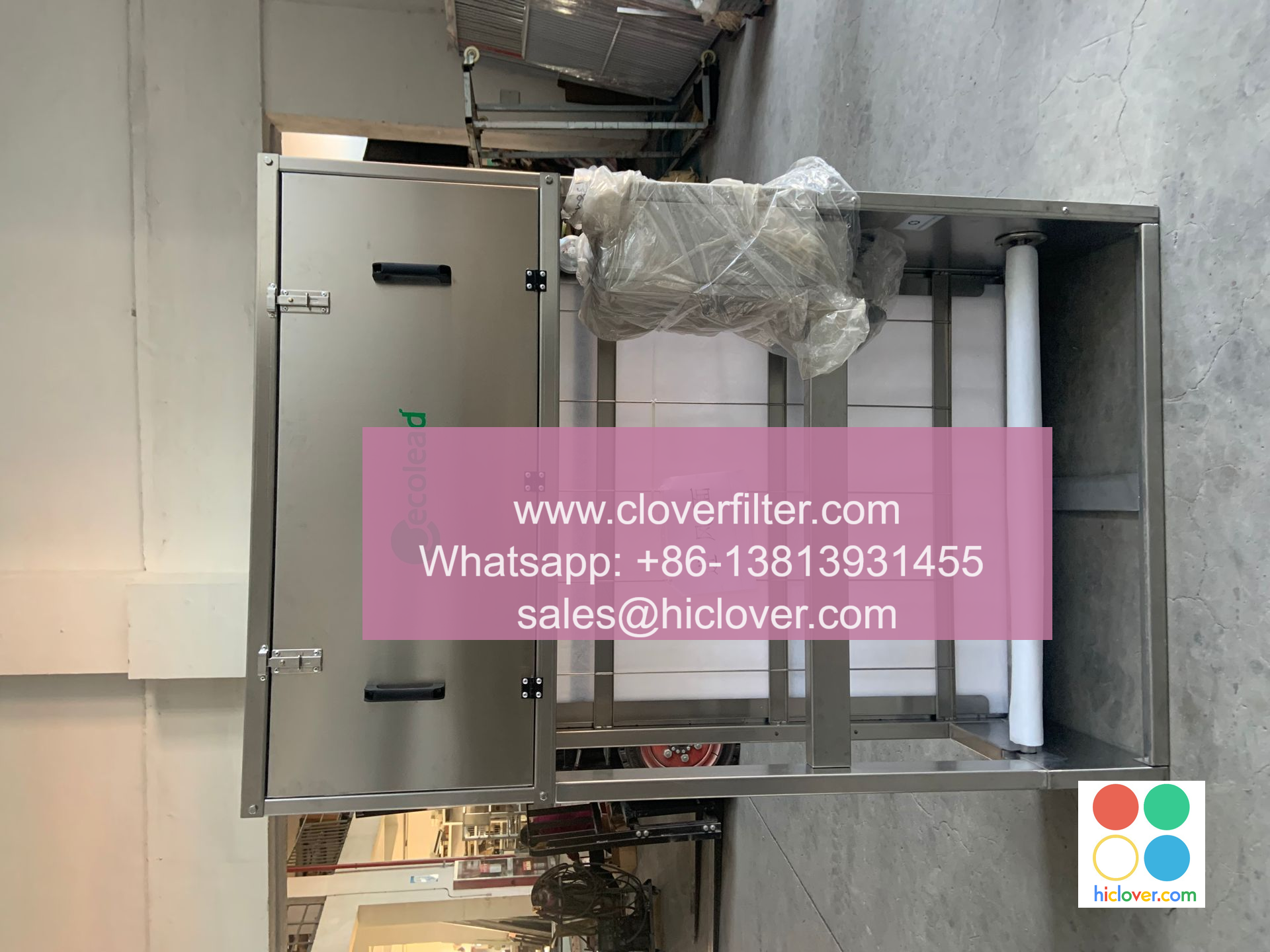
In today’s industrial landscape, maintaining a sanitary and safe environment in food processing and manufacturing facilities is more important than ever. Effective air filter integrations play a pivotal role in ensuring that the air quality meets the required health standards, preventing contamination, and maintaining product integrity.
The Importance of Air Quality in Food Processing

Food processing facilities are highly sensitive to pollutants and airborne contaminants. The integration of high-efficiency air filters can significantly reduce the risk of microbial growth and airborne particulates, thus improving overall product quality. Maintaining optimal air quality not only complies with health regulations but also enhances employee safety and productivity.
Key Applications of Air Filter Integrations
1. Dust Control
Dust is an inevitable part of food processing environments. Integrating dust collection systems with air filters can capture harmful particles, preventing them from contaminating food products. This application is particularly crucial in facilities that handle grains and powders.
2. Allergen Management
In facilities where allergenic ingredients are processed, it is vital to prevent cross-contamination. Advanced air filtration systems are designed to trap allergen particles, safeguarding consumers with food sensitivities.

3. Odor Control
Strong odors can be a natural byproduct of food manufacturing processes. Integrating air scrubbers and filters can help neutralize these odors, creating a more pleasant working environment and protecting the company’s reputation.
4. Microbial Reduction
The presence of bacteria and mold in the air can lead to spoilage and health risks. Utilizing filters equipped with antimicrobial technology can drastically reduce microbial loads, keeping products safe for consumption.
5. VOC Removal
Volatile Organic Compounds (VOCs) can be emitted from various ingredients and cleaning agents used in food processing. Employing activated carbon filters helps in reducing VOC levels, thereby maintaining a healthier environment.
Types of Air Filters for Food Processing
Choosing the right type of air filter is crucial for effective air quality management. Some commonly used filters in food processing facilities include:
- HEPA Filters: High-Efficiency Particulate Air filters are excellent for capturing tiny particles and allergens.
- Activated Carbon Filters: Best for removing odors and VOCs.
- Electrostatic Filters: Utilize static electricity to trap dust and other particulates effectively.
- MERV Rated Filters: Filters with a Minimum Efficiency Reporting Value (MERV) rating that determines their effectiveness in capturing airborne particles.
Integrating Air Filters Into Manufacturing Systems
Integrating air filters into existing manufacturing systems requires strategic planning. Here are steps to consider:
- Assessment: Conduct a thorough assessment of the facility’s air quality requirements and potential contaminants.
- Select Appropriate Filters: Choose filters designed to handle the specific needs of your operation, including dust, allergens, and VOCs.
- Install Monitoring Systems: Incorporate air quality monitoring systems to continuously assess the effectiveness of air filtration.
- Regular Maintenance: Establish a routine maintenance schedule to ensure filters are functioning at optimal levels.
Conclusion
Air filter integrations are essential in food processing and manufacturing facilities. From improving air quality to ensuring product safety, the right air filtration solutions can greatly enhance operational efficiency and compliance with health regulations. Investing in modern air filtration technology not only protects your products but also fosters a safer working environment for employees.
It looks like your message was cut off! Could you please provide more details or clarify what you need? Whether it’s a specific prompt for writing, a question, or something else, I’m here to help!
