Air Filter API Integration with Healthcare Systems: Improving Patient Outcomes and Quality of Life
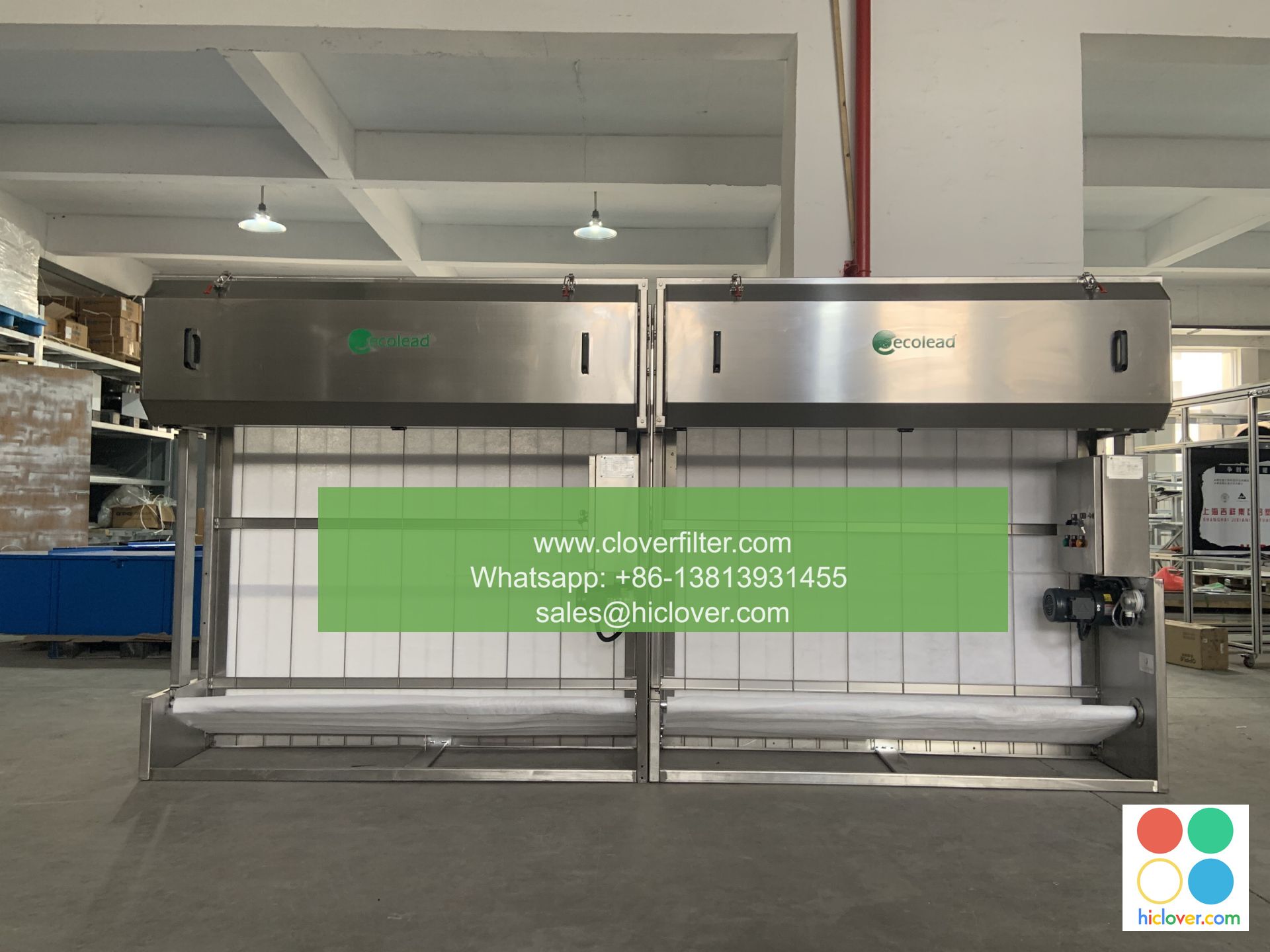
In recent years, the importance of indoor air quality (IAQ) has gained significant attention, particularly in the healthcare sector. With an increasing body of evidence linking poor air quality to various health conditions, integrating air filter technology with healthcare systems has emerged as a transformative approach. This article explores the multifaceted benefits of Air Filter API integration with healthcare systems and its potential to enhance patient outcomes and quality of life.
Understanding Air Filter API Integration

What is an Air Filter API?
An Air Filter API (Application Programming Interface) serves as a bridge between air filtration technologies and healthcare management systems. It allows facilities to monitor, control, and optimize air quality by integrating real-time data about particulate matter, pollutants, and other air quality indicators. This data can be accessed and manipulated by healthcare software, helping to improve air quality within medical facilities.
The Importance of Indoor Air Quality in Healthcare
Indoor air quality is pivotal in healthcare settings, impacting:
- Patient Recovery: Improved air quality can lead to faster recovery times post-surgery.
- Infection Control: Better air filtration minimizes the transmission of airborne pathogens.
- Chronic Illness Management: Patients with asthma or other respiratory issues experience fewer exacerbations with cleaner air.

Enhancing Patient Outcomes through Improved Air Quality
Real-Time Monitoring and Response
One of the primary advantages of integrating an Air Filter API is the capability for real-time monitoring. Healthcare systems can automatically adjust air filtration levels based on current IAQ data. For instance, if particulate matter levels rise due to increased patient movement or construction activities, the system can prompt air filter systems to work harder, ensuring the environment remains safe and comfortable.
Data-Driven Decision Making
The integration of an Air Filter API allows healthcare facilities to leverage data analytics for better decision-making. By analyzing trends in air quality over time, healthcare administrators can make informed choices regarding maintenance schedules and resource allocation, ultimately leading to enhanced patient safety and satisfaction.
Application Areas in Healthcare
Hospitals and Clinics
Hospitals are the most critical areas for air quality integration. Utilizing an Air Filter API enables hospitals to maintain high air quality standards, which is crucial in surgical units, ICUs, and general wards. The ongoing monitoring of air quality helps in identifying potential health risks, thereby reducing hospital-acquired infections.
Nursing Homes and Assisted Living Facilities
Residents of nursing homes and assisted living facilities often have weakened immune systems, making air quality even more vital. Integrating air filter systems can significantly reduce airborne allergens and pathogens, improving the overall health and well-being of elderly residents.
Outpatient Facilities and Telemedicine
As telemedicine becomes more prevalent, outpatient facilities can also benefit from air quality monitoring. With the potential for airborne diseases to spread even in waiting areas, an integrated system ensures that patients and staff remain in a safe environment while delivering remote healthcare services.
Long-term Benefits of Air Filter API Integration
Improved Quality of Life
Beyond patient outcomes, maintaining good IAQ can significantly enhance the quality of life for both patients and healthcare workers. Reduced allergies, respiratory issues, and overall discomfort can lead to higher employee satisfaction and productivity, creating a healthier workplace.
Cost Savings
Although the initial investment in air quality monitoring systems may seem high, the long-term savings from reduced healthcare-associated infections, shorter patient recovery times, and improved staff productivity make it a wise financial decision. By minimizing complications related to poor air quality, healthcare facilities can significantly reduce operating costs.
Strengthening Public Trust
Finally, healthcare facilities that prioritize air quality through API integration can strengthen public trust. Patients and their families are likely to prefer facilities that actively monitor and manage their environment, thereby improving overall patient engagement and satisfaction.
Conclusion
The integration of Air Filter APIs within healthcare systems heralds a new era of improved patient care and quality of life. By harnessing the power of technology and data, healthcare facilities can create safer, healthier environments. This proactive approach not only enhances patient outcomes but also contributes to long-term public health goals, making it an essential investment for modern healthcare.
In an era where patient-centered care is paramount, prioritizing air quality through innovative solutions like Air Filter API integration is a step in the right direction. The future of healthcare should be cleaner, safer, and more efficient, ultimately leading to healthier populations.
Of course! What kind of prompt are you looking for? It could be for writing, brainstorming ideas, creating a story, or something else entirely. Let me know how I can help!
