Calgary Food Processing Workshop: Best Practices for Maintaining Automatic Roll Air Filters
Calgary Food Processing Workshop: Best Practices for Maintaining Automatic Roll Air Filters
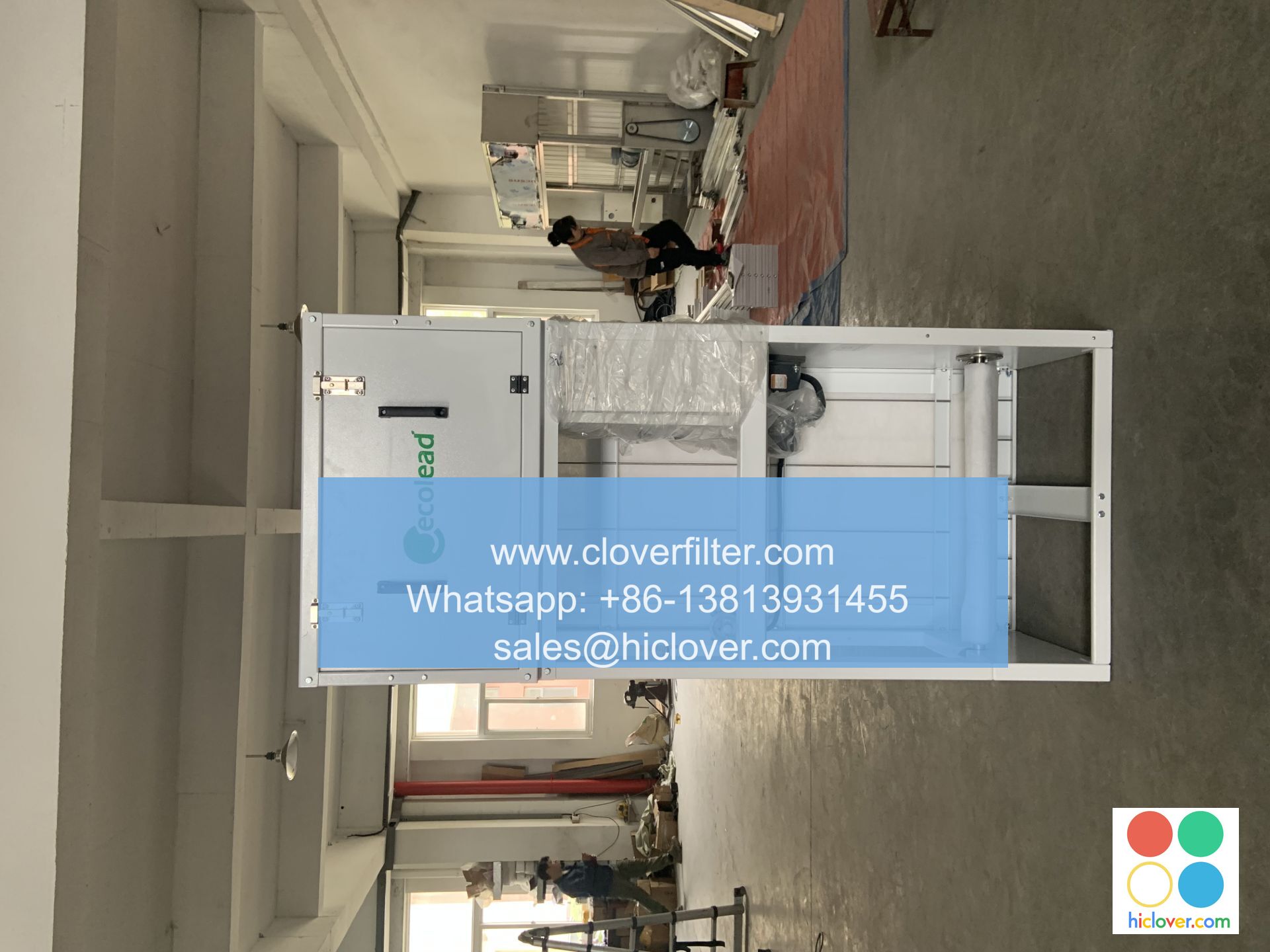
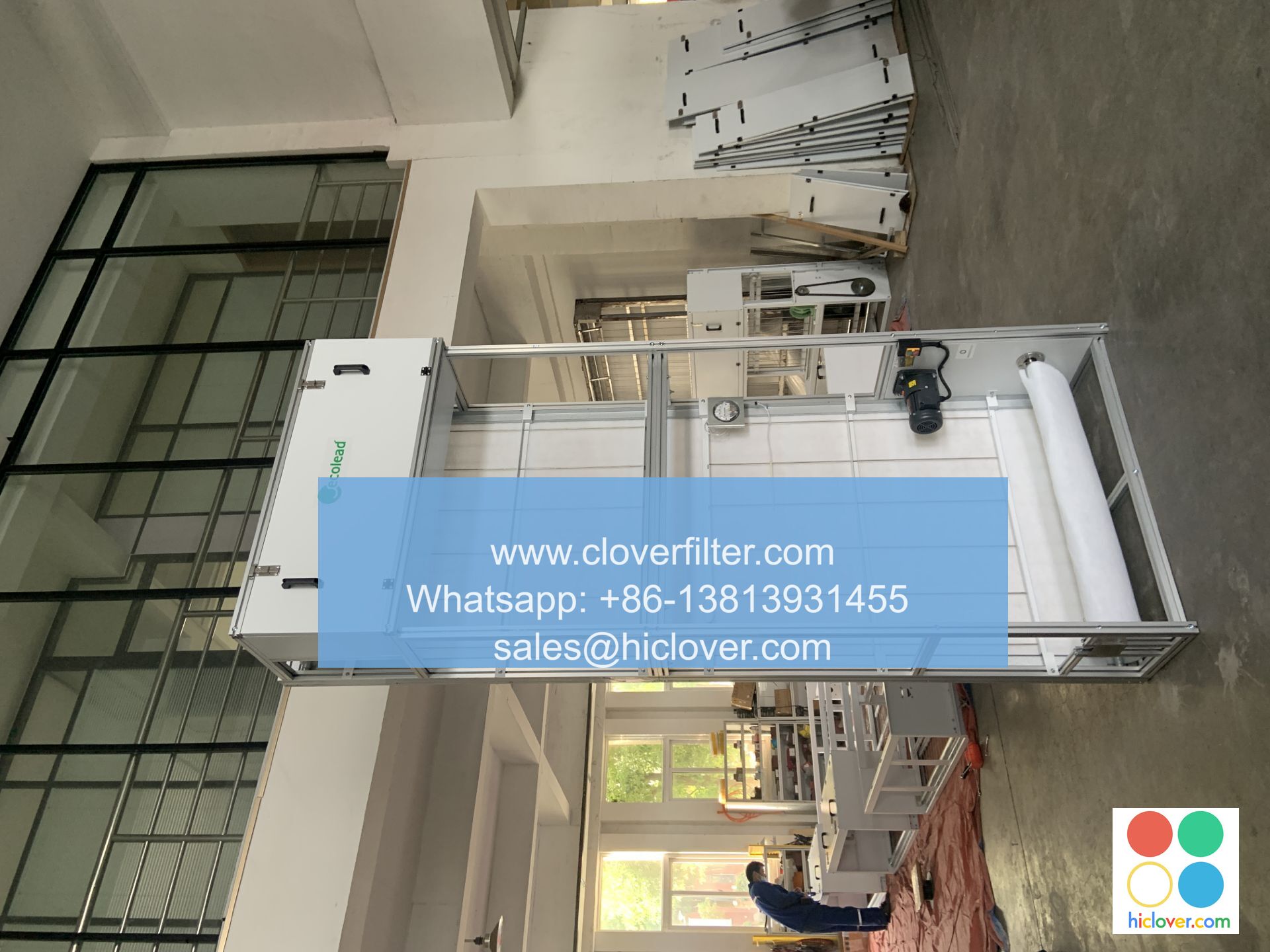
The Calgary Food Processing Workshop recently focused on a critical aspect of food safety and quality control: the maintenance of automatic roll air filters. These filters play a vital role in ensuring that the air circulating in food production environments meets hygiene standards, thereby preventing contamination and safeguarding consumer health. In this article, we will explore the best practices for maintaining these essential components in food processing facilities.
Understanding the Importance of Air Filtration
In food processing, maintaining a clean air environment is paramount. Automatic roll air filters are designed to capture airborne particles, including dust, allergens, and microorganisms, that can compromise food safety. Efficient air filtration not only improves air quality but also enhances the overall efficiency of processing equipment, reducing downtime and associated costs. However, without proper maintenance, the effectiveness of these filters can decline rapidly.
Regular Inspection and Monitoring
One of the key practices for maintaining automatic roll air filters is regular inspection and monitoring. Facilities should establish a schedule for checking the condition of filters based on their usage and the volume of air passing through them. Signs that filters may need replacement include reduced airflow, unusual noises, or visible dirt accumulation. Implementing a monitoring system with pressure gauges can also prove beneficial, as it offers real-time data on filter performance.
Cleaning and Maintenance Procedures
Routine cleaning is crucial for prolonging the lifespan of automatic roll air filters. Depending on the design and the manufacturer’s recommendations, some filters can be cleaned and reused, while others must be replaced. Cleaning entails using non-abrasive materials and following a proper procedure to avoid damaging the filter media. Additionally, maintenance teams should pay attention to housing for the filters, ensuring it is free of debris and properly sealed.
Choosing the Right Filters
It is essential to use filters that are compatible with the specific air handling systems in place. Food processing facilities must select filters based on factors such as particle size capture efficiency, airflow requirements, and operational environment. Investing in high-quality filters may have a higher upfront cost but can lead to significant savings in the long run due to reduced maintenance and replacement frequency.
Training and Staff Education
Investing in training for employees who handle air filtration maintenance is another best practice. Staff should be educated on the importance of air quality in food processing, how to perform inspections and maintenance checks, and the correct procedures for replacing filters. Regular training sessions can help instill a culture of vigilance and responsibility, ensuring that all team members understand the critical role they play in maintaining air quality.
Integrating Technology
Many food processing facilities are beginning to integrate technology into their maintenance routines. Sensors and alarm systems can alert staff when filter performance declines or when it’s time for a change. Automation can streamline maintenance procedures, reduce human error, and enhance overall efficiency in the production process. Investing in smart technology can yield a significant return on investment by ensuring a consistently safe working environment.
FAQs
1. How often should air filters be replaced?
It depends on usage and environmental factors, but regular inspections should be conducted to assess their condition.
2. Can automatic roll air filters be cleaned and reused?
Some filters are designed to be cleaned while others are disposable. Always follow the manufacturer’s instructions.
3. What are common signs that a filter needs replacement?
Signs include reduced airflow, unusual noises, and visible dirt buildup.
4. How can technology aid in filter maintenance?
Sensors can monitor filter performance and alert staff when maintenance is due, reducing downtime and ensuring compliance.
5. Why is training staff important for filter maintenance?
Educated staff are more likely to understand the importance of air quality and adhere to best practices, ensuring a safer production environment.
