Air Filter Basics: Training New Technicians
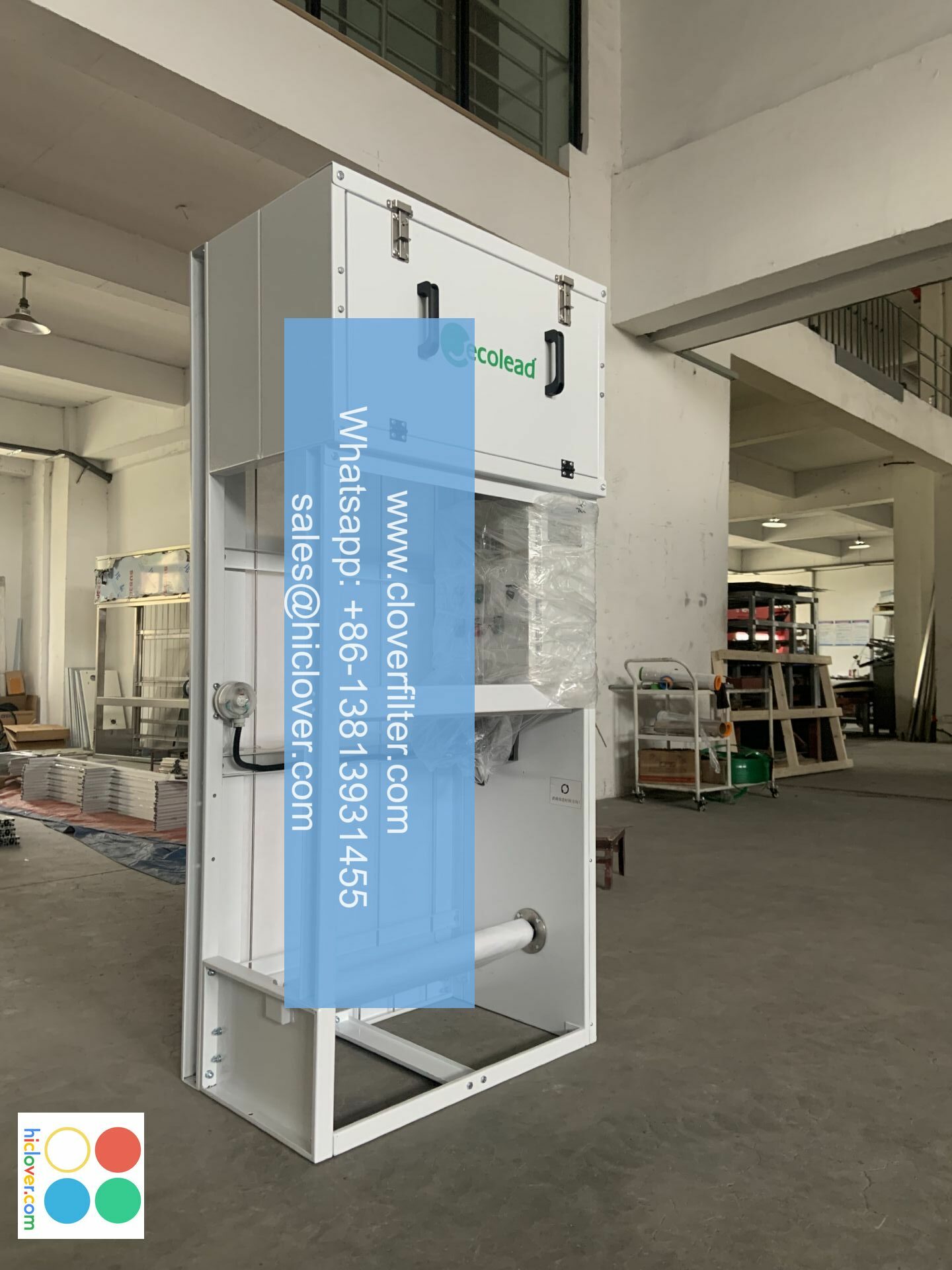
In today’s world, the importance of air quality cannot be overstated. From residential homes to commercial spaces and industrial settings, air filters play a crucial role in maintaining a clean and safe environment. As the demand for skilled technicians increases, it is essential to provide comprehensive training on air filter basics. This article will explore various application areas, the types of air filters, and the critical aspects of training new technicians in this vital field.
Understanding Air Filters

Air filters are designed to remove contaminants from the air in various applications, including:
- HVAC Systems: Heating, ventilation, and air conditioning systems rely on air filters to maintain air quality and efficiency.
- Automotive: Vehicles use air filters to ensure that the engine receives clean air for optimal performance.
- Industrial Processes: Factories and manufacturing plants use specialized air filters to protect machinery and improve workplace safety.
- Residential Air Purifiers: Homeowners utilize air purifiers equipped with advanced filtration systems to reduce allergens and improve indoor air quality.
Types of Air Filters

When training new technicians, it’s essential to cover the various types of air filters available on the market:
- Mechanical Filters: These filters physically trap particles such as dust and pollen. HEPA (High-Efficiency Particulate Air) filters are a prominent example, known for their efficiency in capturing small particles.
- Electrostatic Filters: These filters use static electricity to attract and capture airborne particles. They can be washable and reusable, making them a cost-effective option.
- Activated Carbon Filters: These are designed to remove odors and gases from the air, making them suitable for both residential and commercial applications.
- UV Filters: Ultraviolet filters utilize UV light to kill bacteria and viruses, providing additional protection against airborne pathogens.
Key Training Areas for New Technicians
To effectively train new technicians in the field of air filtration, focus on the following key areas:
Installation and Maintenance
Technicians should understand proper installation procedures for various air filter types and the importance of regular maintenance. This includes knowing when to replace filters based on usage and environmental conditions.
System Compatibility
Every HVAC system is different. Training should cover how to identify the right filter for specific systems and applications, optimizing performance and energy efficiency.
Health and Safety Standards
Technicians must be familiar with health and safety regulations regarding air quality, which can vary by industry. Understanding these guidelines is crucial for effective air quality management.
Problem Diagnosis and Troubleshooting
Training should equip technicians with the skills to diagnose common air filtration problems, such as inadequate airflow or increased energy consumption due to clogged filters. Quick troubleshooting can prevent larger system failures.
Conclusion
Training new technicians in air filter basics is essential for maintaining high air quality standards across various application areas. From HVAC systems to industrial processes, the knowledge of air filters empowers technicians to contribute significantly to healthier environments. By focusing on key training areas, organizations can ensure their technicians are well-prepared to meet the growing demands of the air filtration industry.
It looks like you might have forgotten to include your prompt. What would you like to discuss or ask about? Please provide more details so I can assist you!
