Air Filter Coalitions: A New Approach to Air Quality Management

Introduction
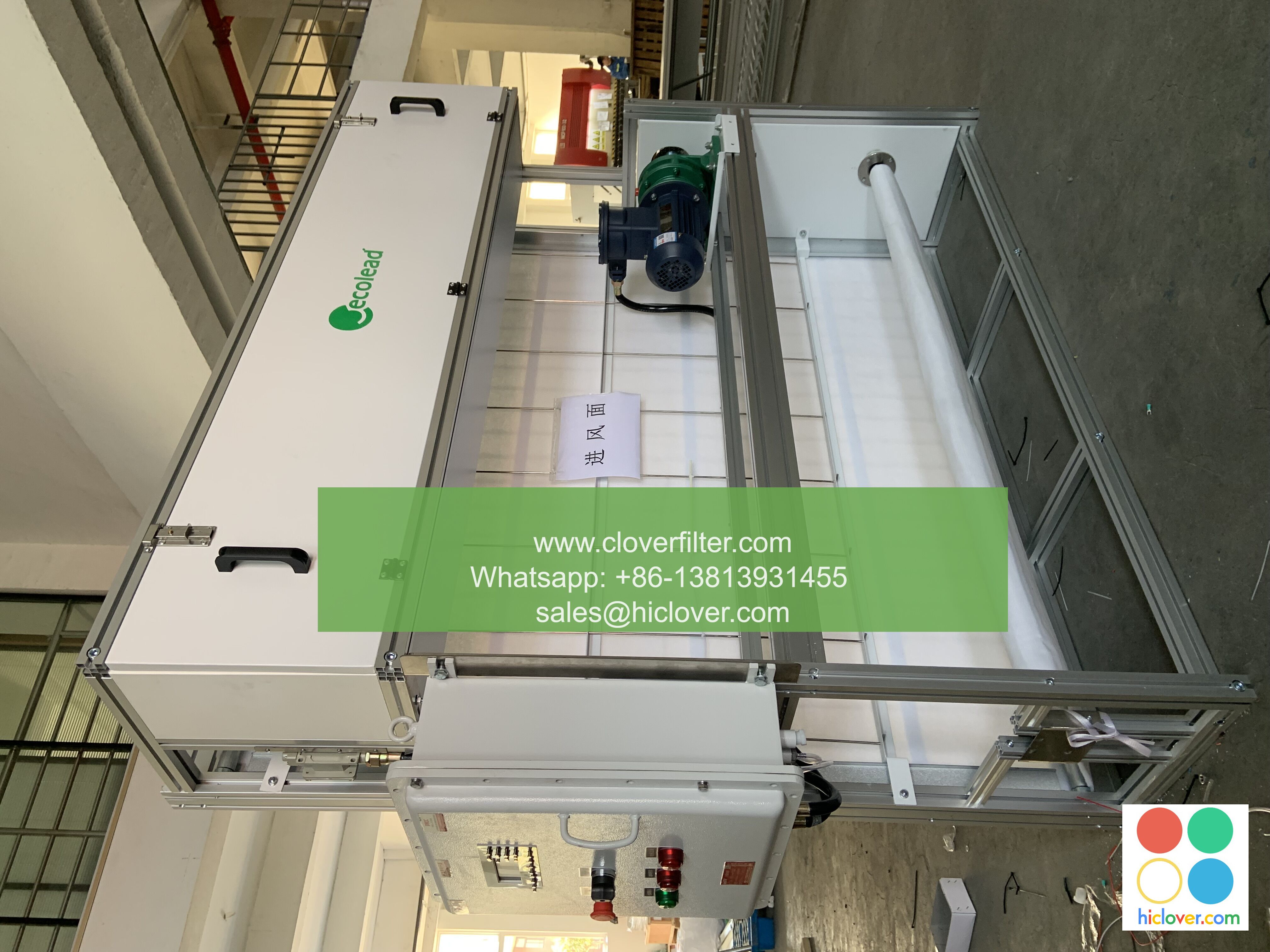
In recent years, air quality has become a growing concern across the globe, with pollution levels reaching critical stages in many urban areas. Traditional air quality management strategies are proving inadequate as they often involve bureaucratic hurdles and lack community engagement. A new and innovative solution is emerging: Air Filter Coalitions. These collaborations aim to streamline air quality management by empowering local communities and utilizing cutting-edge technologies.
What Are Air Filter Coalitions?
Air Filter Coalitions consist of various stakeholders including local governments, non-profit organizations, businesses, and citizens, uniting for a common goal: improving air quality. These coalitions focus on implementing localized, customizable air filtration solutions to effectively combat pollution at the source. By pooling resources, knowledge, and technologies, they create an ecosystem that fosters innovation and community resilience.
Key Applications of Air Filter Coalitions

1. Urban Air Quality Improvement
Urban areas face significant challenges related to air quality due to transportation emissions, industrial activities, and construction. Air Filter Coalitions can deploy mobile filtration units that capture particulates and harmful gases, significantly reducing pollution levels in densely populated neighborhoods.
2. Indoor Air Quality Management
With many individuals spending most of their time indoors, the management of indoor air quality has become critical. Air Filter Coalition initiatives can provide communities with access to affordable air filtration technology, promoting healthier indoor environments in schools, homes, and workplaces.
3. Community Engagement and Education
Coalitions encourage community involvement through programs that raise awareness about air quality issues. Educational workshops and clean-air initiatives can empower locals to take action, fostering a sense of responsibility and stewardship for their environment.
4. Policy Advocacy and Collaboration
By facilitating collaboration among diverse groups, Air Filter Coalitions can advocate for policy changes that support clean air initiatives. Their collective voice can influence local legislation and push for stricter regulations on emissions, leading to lasting improvements in air quality.
Challenges and Considerations
While Air Filter Coalitions present promising solutions, several challenges must be addressed, including funding, long-term sustainability, and community buy-in. Coalition leaders must secure financial resources and demonstrate measurable impacts on air quality to maintain engagement and support from stakeholders.
Conclusion
Air Filter Coalitions represent a revolutionary approach to air quality management, merging technology, community engagement, and policy advocacy. By addressing both indoor and outdoor air quality issues, these coalitions offer a comprehensive strategy that empowers citizens and ensures cleaner air for all. As environmental challenges continue to increase, the importance of collaborative solutions like this has never been more evident.
It seems that you might want to specify a prompt or ask for suggestions related to a specific topic. Could you please provide more details or clarify what you’re looking for?
