Air Filter Certification and Verification for Commercial Buildings: A Documentation Process
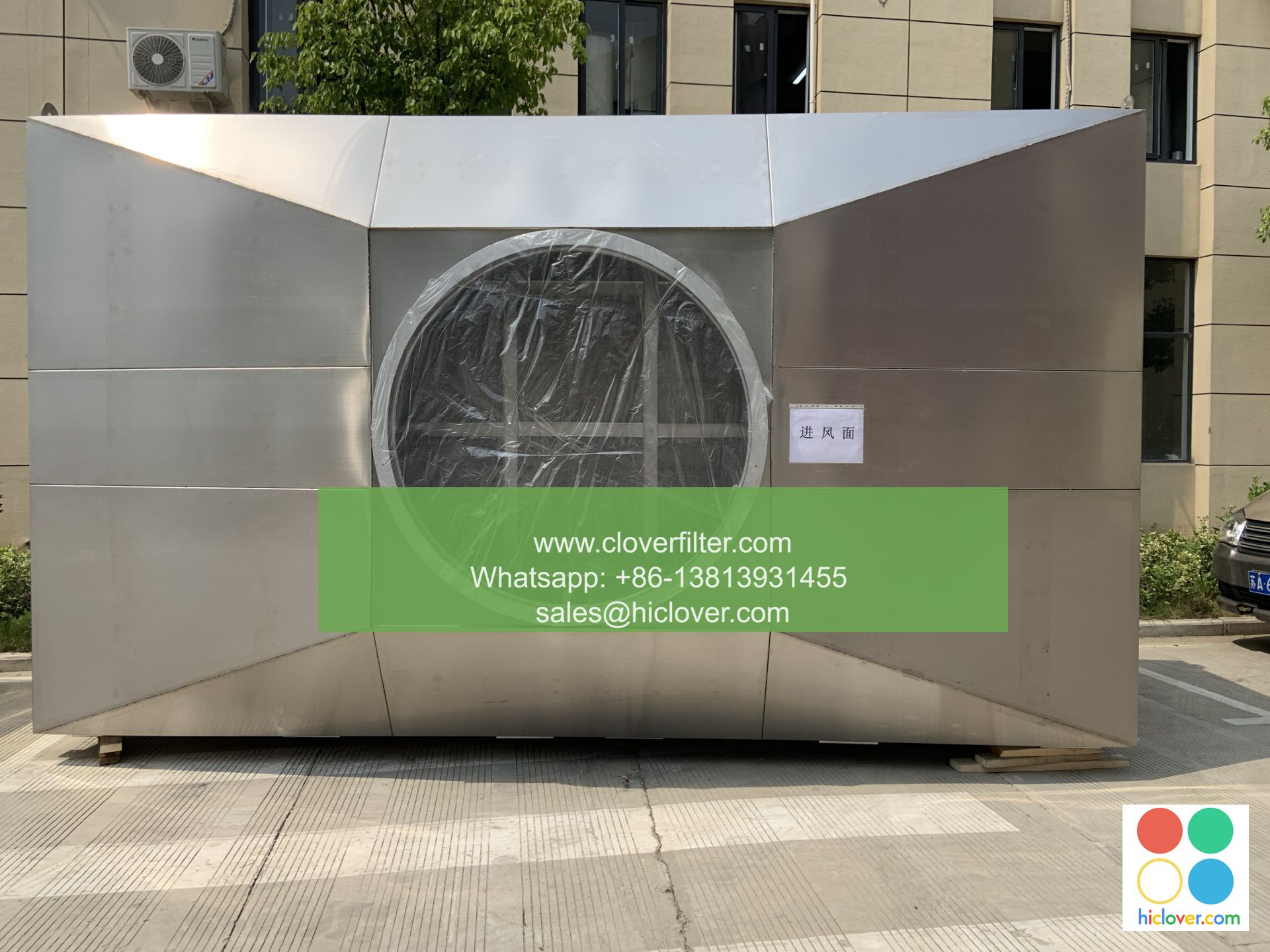
Air quality is a critical concern in today’s urban environment, particularly in commercial buildings where high foot traffic can lead to increased pollution and allergens. Effective air filtration systems are essential for maintaining clean air and ensuring the health and safety of occupants. This article dives into the importance of air filter certification and verification, outlining the necessary documentation processes and highlighting various application areas for commercial buildings.
Importance of Air Filter Certification

Ensuring Air Quality Standards
The primary function of air filters is to remove pollutants and contaminants from the air. To guarantee their efficacy, these filters must be certified according to established industry standards. Certification ensures that the filters meet performance criteria such as particle capture efficiency and airflow resistance. Common certification bodies include:
- ASHRAE (American Society of Heating, Refrigerating and Air-Conditioning Engineers)
- MERV (Minimum Efficiency Reporting Value) ratings
- HEPA (High-Efficiency Particulate Air) standards
Regulatory Compliance

Commercial buildings must adhere to various government regulations regarding indoor air quality. Certification ensures compliance with these regulations, reducing potential liabilities and promoting environmental responsibility.
The Verification Process
Step 1: Selection of Filters
Choosing the right air filters is the first step in the verification process. Factors to consider include:
- Type of contaminants: Understand the specific pollutants common in the building’s area, such as allergens, smoke, or volatile organic compounds (VOCs).
- Airflow requirements: Ensure the selected filters do not impede airflow to maintain system efficiency.
Step 2: Documentation of Certification
Once filters are selected, obtaining documentation that verifies their certification is essential. This documentation should include:
- Certification reports: Detailed reports from recognized certification bodies.
- Test results: Data demonstrating the filters meet specified standards for air quality.
- Installation guidelines: Information on how to properly install the filters to maximize their effectiveness.
Step 3: Installation Audit
Following installation, an audit should be conducted to verify that the filters have been installed correctly according to the manufacturer’s specifications. This step may include:
- Visual inspections
- Testing for airflow and pressure drop
- Documentation of compliance
Step 4: Maintenance Record Keeping
Regular maintenance is essential to the longevity and efficiency of air filters. Create a maintenance schedule that includes:
- Routine inspections: Check filters for signs of wear or contamination.
- Replacement logs: Keep track of when filters are replaced to ensure they are changed at recommended intervals.
- Performance monitoring: Regularly assess indoor air quality and make adjustments as needed.
Application Areas of Air Filter Certification in Commercial Buildings
1. Offices and Workspaces
Air filters in office buildings serve to enhance productivity by providing cleaner air. Effective filtration reduces allergens and irritants, leading to fewer sick days and improved employee morale.
2. Healthcare Facilities
In hospitals and clinics, air filter certification is crucial for preventing airborne infections. HEPA filters are often required in patient rooms and surgical areas to ensure the highest level of air cleanliness.
3. Educational Institutions
Schools and universities can benefit from certified air filters to safeguard the health of students and staff. Maintaining high air quality levels is essential for academic performance and overall well-being.
4. Retail Spaces
Shops and malls attract many visitors, making air quality vital for customer comfort. High-quality air filters help maintain a pleasant shopping environment, potentially increasing customer dwell time and sales.
5. Manufacturing Plants
In industrial settings, air filter certification ensures compliance with occupational safety standards. Effective filtration can minimize dust and harmful particles, thereby protecting workers and equipment.
Conclusion
Air filter certification and verification are essential for ensuring the health and safety of occupants in commercial buildings. Following a documented process that includes filter selection, certification, installation auditing, and maintenance will help maintain high air quality standards. With the right approach, businesses can enhance productivity, ensure compliance, and contribute to a healthier environment for all.
By prioritizing air filter certification, commercial building owners and facility managers can create healthier spaces, ultimately benefiting occupants and the environment alike.
It looks like you might be looking for a specific prompt or topic to discuss. Could you please provide more details or clarify what you’re interested in? Whether it’s creative writing, questions about a particular subject, or something else entirely, I’m here to help!
