Air Filter Cost: A Review of the Common Costs and Factors
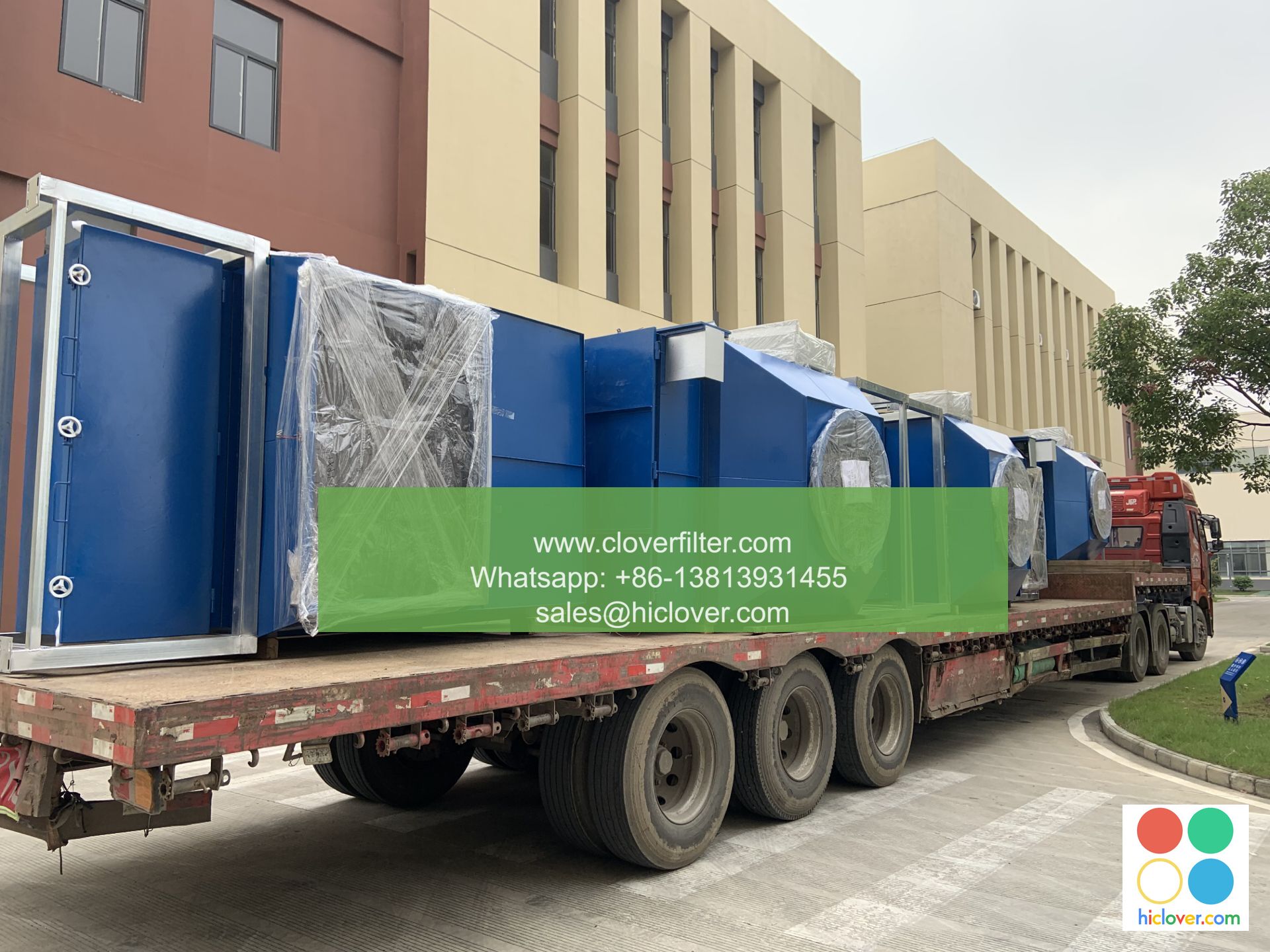
Air filtration systems are a crucial component in maintaining good indoor air quality, and understanding the costs associated with them is essential for homeowners, businesses, and industries. In this article, we will delve into the common costs of air filters, the factors that affect their pricing, and the various application areas where they are used.
Types of Air Filters and Their Costs
The cost of air filters can vary greatly depending on the type, size, and quality of the filter. Some common types of air filters include:
* HEPA (High Efficiency Particulate Air) filters, which can range in cost from $10 to $50 or more, depending on the size and quality of the filter. HEPA filters are commonly used in industrial air purification systems, commercial HVAC systems, and residential air cleaning systems.
* Activated Carbon filters, which can cost between $20 to $100 or more, depending on the size and quality of the filter. Activated Carbon filters are often used in air pollution control systems, odor removal systems, and gas phase filtration systems.
* Pleated filters, which can range in cost from $5 to $20 or more, depending on the size and quality of the filter. Pleated filters are commonly used in residential HVAC systems, commercial air handling systems, and industrial air filtration systems.
Factors That Affect Air Filter Costs
Several factors can affect the cost of air filters, including:
* Filter size and shape: Larger filters or custom-made filters can be more expensive than standard-sized filters.
* Filter material and quality: High-quality filters made with advanced materials, such as nanofibers or membranes, can be more expensive than standard filters.
* Filter efficiency and effectiveness: Filters with higher MERV (Minimum Efficiency Reporting Value) ratings or HEPA ratings can be more expensive than filters with lower ratings.
* Application area and industry: Filters used in high-tech industries, such as pharmaceuticals or biotechnology, can be more expensive than filters used in residential or commercial applications.
Application Areas and Industries
Air filters are used in a wide range of application areas and industries, including:
* Residential air purification systems: Air filters are used to remove particulate matter, allergens, and odors from indoor air.
* Commercial HVAC systems: Air filters are used to maintain good indoor air quality and prevent airborne diseases in commercial buildings.
* Industrial air filtration systems: Air filters are used to remove hazardous particles and gases from industrial processes and prevent air pollution.
* Pharmaceutical and biotechnology industries: Air filters are used to maintain sterile environments and prevent contamination in pharmaceutical and biotechnology applications.
* Food and beverage industries: Air filters are used to prevent contamination and maintain food safety in food and beverage processing and packaging applications.

Conclusion
In conclusion, the cost of air filters can vary greatly depending on the type, size, and quality of the filter, as well as the application area and industry. By understanding the common costs and factors that affect air filter pricing, homeowners, businesses, and industries can make informed decisions when selecting and purchasing air filters for their specific needs. Whether it’s for residential air purification, commercial HVAC systems, or industrial air filtration systems, air filters play a crucial role in maintaining good indoor air quality and preventing air pollution. Prompt
