The Importance of Air Filter Certification: What Does it Mean for Industrial Use?
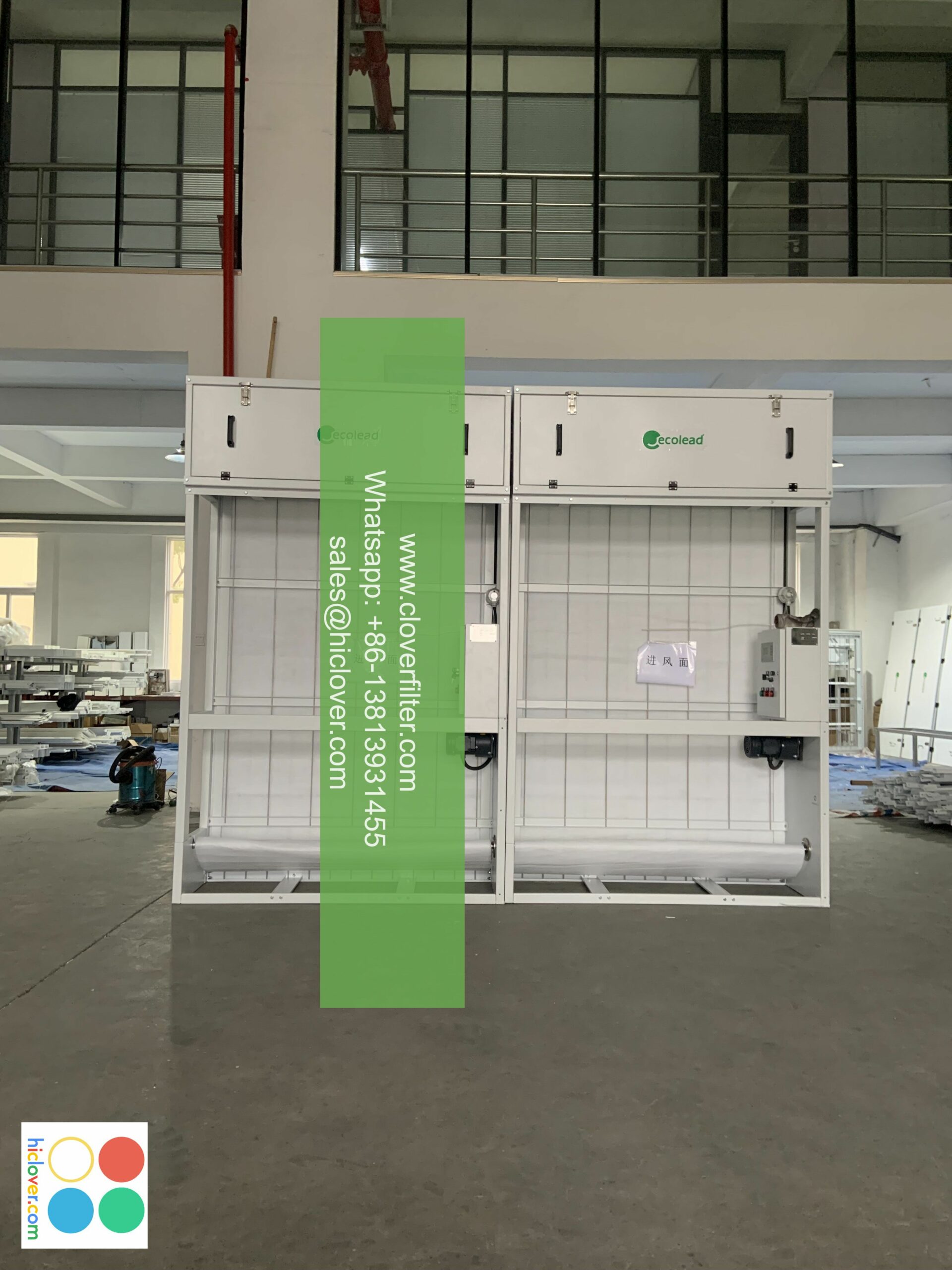
In the realm of industrial air filtration, certification is a crucial aspect that ensures the quality and performance of air filters. With the increasing demand for clean air and environmental sustainability, industries are looking for ways to minimize their air pollution and emission control. Air filter certification plays a vital role in this pursuit, and in this article, we will delve into its significance and application areas in industrial settings.
What is Air Filter Certification?
Air filter certification is a process that verifies the performance and quality of air filters. It involves testing and evaluating the filters against specific standards and industry regulations, such as those set by the International Organization for Standardization (ISO) and the American Society of Heating, Refrigerating and Air-Conditioning Engineers (ASHRAE). Certification ensures that air filters meet the required filtration efficiency, airflow, and pressure drop standards, making them suitable for industrial use.
Benefits of Air Filter Certification
The benefits of air filter certification are multifaceted and far-reaching. Some of the key advantages include:
* Improved Indoor Air Quality (IAQ): Certified air filters ensure the removal of particulate matter (PM), gases, and odors, creating a healthier and more comfortable working environment for industrial personnel.
* Increased Energy Efficiency: Certified air filters can help reduce energy consumption and costs by minimizing the pressure drop and airflow resistance in HVAC systems.
* Compliance with Regulations: Certification ensures that industries comply with emission standards and environmental regulations, reducing the risk of non-compliance fines and reputational damage.
Application Areas of Air Filter Certification
Air filter certification has a wide range of application areas in industrial settings, including:
* Power Generation: Certified air filters are used in power plants to remove particulate matter and gases from the air, ensuring compliance with emission standards.
* Pharmaceuticals: Certified air filters are used in pharmaceutical manufacturing to maintain a controlled environment and prevent contamination.
* Food Processing: Certified air filters are used in food processing plants to remove odors and particulate matter, ensuring food safety and quality.
* Automotive: Certified air filters are used in automotive manufacturing to remove welding fumes and particulate matter, improving indoor air quality and worker safety.

Conclusion
In conclusion, air filter certification is a critical aspect of industrial air filtration, ensuring the quality and performance of air filters. With its numerous benefits, including improved indoor air quality, energy efficiency, and compliance with regulations, certification is essential for industries seeking to minimize their environmental impact. By understanding the importance of air filter certification and its application areas, industries can make informed decisions about their air filtration systems and contribute to a sustainable future. Prompt
