Air Filter for Specific Health Concerns
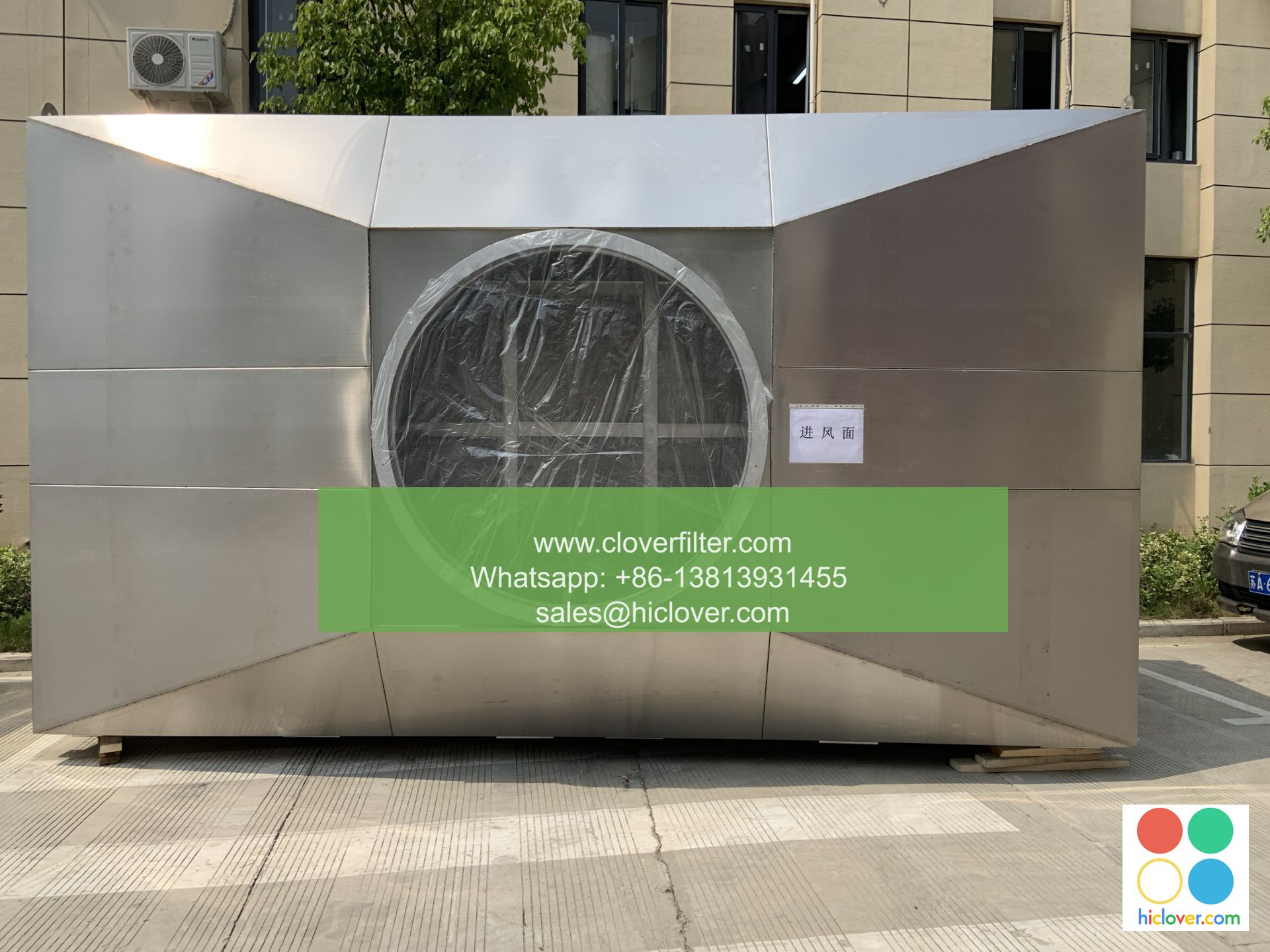
Air pollution is a growing concern worldwide, and its impact on human health is significant. Asthma, allergies, and respiratory diseases are just a few examples of the many health issues that can be exacerbated by poor air quality. In this article, we will explore the importance of air filtration systems in addressing specific health concerns and highlight various application areas where these systems can be particularly beneficial.
Understanding Air Pollution and Its Health Impacts
Air pollution is a complex mixture of particulate matter (PM), gases, and volatile organic compounds (VOCs) that can come from various sources, including indoor and outdoor pollutants. These pollutants can aggravate existing health conditions, such as chronic obstructive pulmonary disease (COPD), and even contribute to the development of new health issues. Effective air filtration systems can play a crucial role in reducing exposure to these pollutants and improving indoor air quality.
Application Areas for Air Filters
Air filters can be used in various settings to address specific health concerns. Some of the key application areas include:
* Hospitals and healthcare facilities: Air filters can help reduce the transmission of airborne pathogens and improve indoor air quality, which is critical for patient health and recovery.
* Homes and residential buildings: Air filters can help alleviate allergy and asthma symptoms by removing allergens and particulate matter from the air.
* Commercial buildings and offices: Air filters can help improve indoor air quality, reduce absenteeism and productivity losses due to poor air quality, and create a healthier work environment.
* Schools and educational institutions: Air filters can help improve indoor air quality and reduce the spread of airborne illnesses, which can improve student health and academic performance.
Types of Air Filters for Specific Health Concerns
Different types of air filters can be used to address specific health concerns. Some of the most common types of air filters include:
* HEPA (High Efficiency Particulate Air) filters: These filters are capable of capturing 99.97% of particles as small as 0.3 microns, making them effective against allergens, dust, and other airborne pollutants.
* Activated carbon filters: These filters are effective against gases, VOCs, and odors, making them useful for removing chemical pollutants from the air.
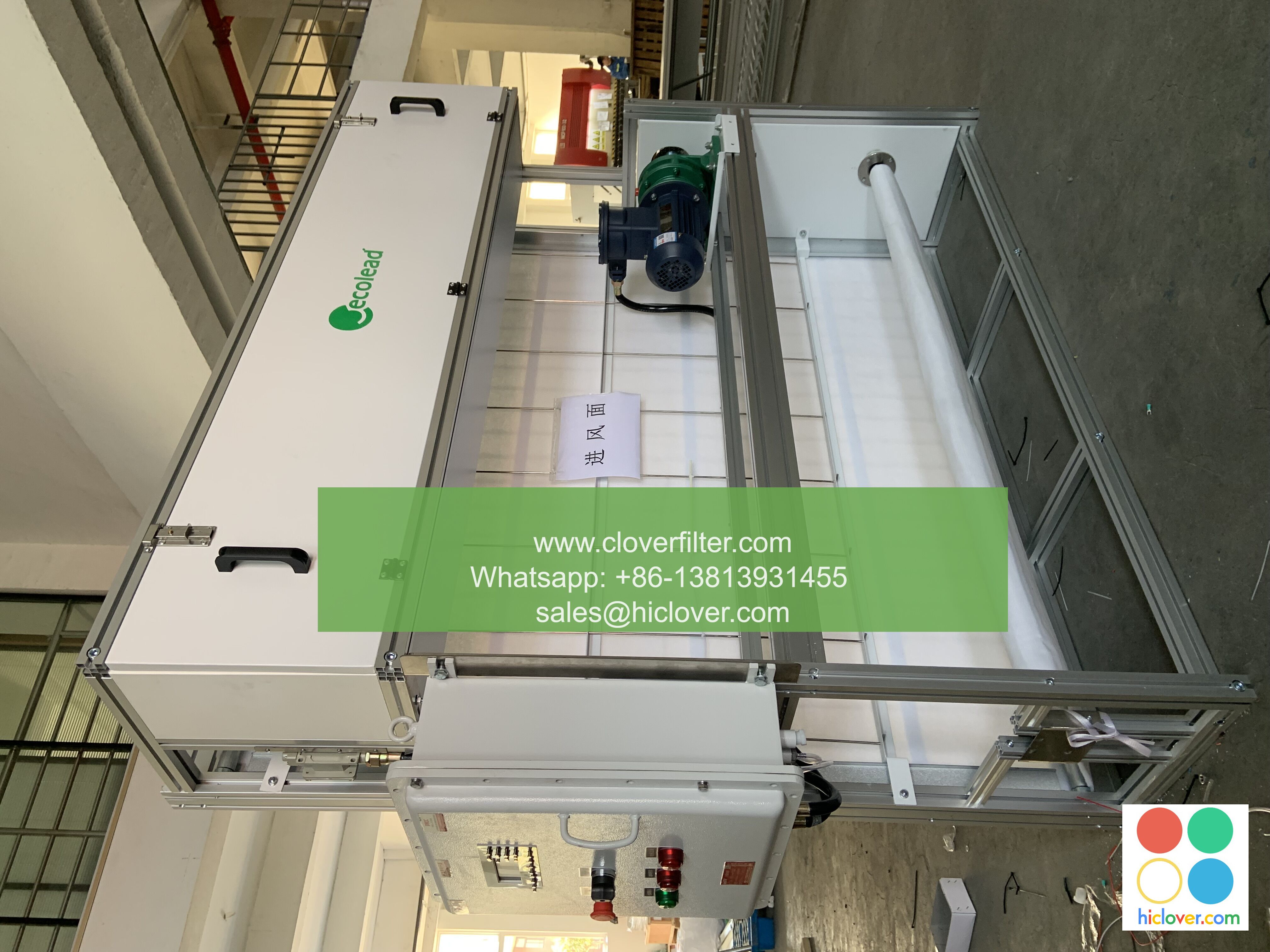
* UV (Ultraviolet) light filters: These filters use UV light to kill bacteria, viruses, and other microorganisms, making them effective against airborne pathogens.
Conclusion
Air filters play a critical role in addressing specific health concerns related to air pollution. By understanding the different types of air filters and their applications, individuals can make informed decisions about how to improve indoor air quality and reduce their exposure to airborne pollutants. Whether you’re looking to alleviate allergy and asthma symptoms, reduce the transmission of airborne pathogens, or simply create a healthier indoor environment, there’s an air filter solution that can meet your needs. So why wait? Breathe easy with the right air filter technology and start improving your indoor air quality today! You haven’t asked a question or provided any context. What would you like to talk about or ask? I’ll do my best to provide a helpful and direct response.
