Understanding the Different Types of Air Filters: A Detailed Breakdown
- Key Takeaways:
- Understanding air filter solutions is essential for optimizing air quality in various industrial settings.
- Automatic Roll Air Filters utilize a roll media advance logic for efficient filtration.
- Selecting the right filter involves considering airflow range, face velocity, and installation location.
- Maintenance strategies can significantly reduce operational costs and improve longevity.
- Compliance with industry standards such as ISO 16890 ensures effective particulate control.
What is an Automatic Roll Air Filter?
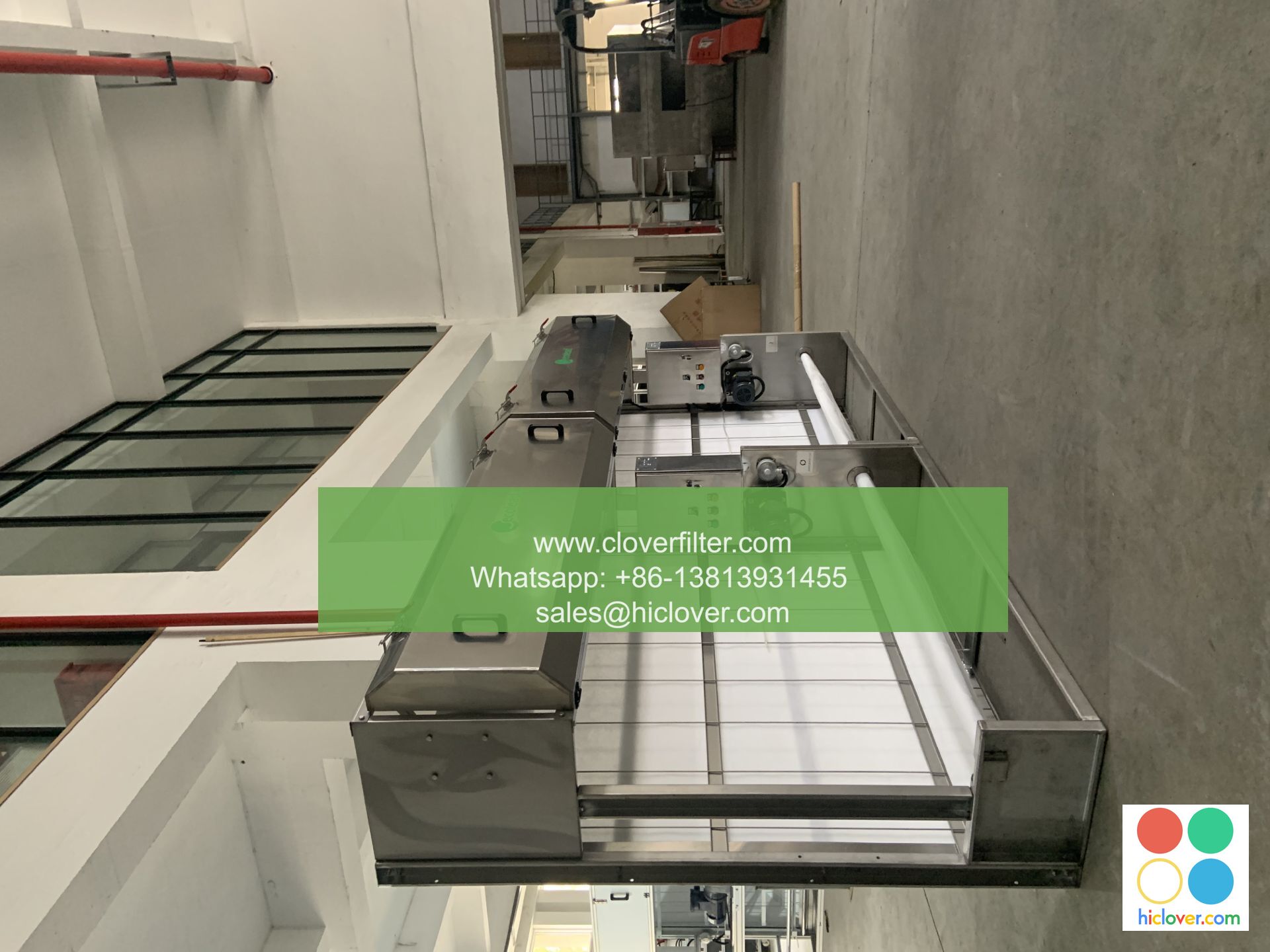
An Automatic Roll Air Filter is an innovative air filtration solution designed to enhance the efficiency and effectiveness of HVAC systems, particularly in environments like factories, cleanrooms, and data centers. This type of filter employs a roll media advance logic, where the filter media is continually rolled forward as it collects dust and particulates. When the differential pressure reaches a predetermined level, the filter automatically advances, ensuring consistent airflow and effective filtration without manual intervention.
How an Automatic Roll Air Filter Works
The Automatic Roll Air Filter operates on a few key mechanisms:
-
Roll Media Advance Logic: The filter media is arranged in a roll format that advances only when needed, optimizing usage and reducing waste.
-
Differential Pressure Trigger: When the resistance to airflow increases due to accumulation of particulates, the system detects the change in pressure and initiates the advance of new media to maintain desired air quality.
-
Timer Mode: This functionality allows periods of automatic advancement based on set schedules, supporting various operational hours and ensuring the filter remains efficient under various load conditions.
- Airflow Range: Ensure the filter can handle the required cubic feet per minute (CFM) for your application.
- Face Velocity: Determine the maximum face velocity to prevent media damage while maximizing filtration efficiency.
- Media Width/Length: Identify standard dimensions that can fit your existing system or customize as needed.
- Frame Size: Make sure the frame is compatible with your current equipment.
- Control Options: Analyze if you need automated monitoring and control features to enhance operational efficiency.
- Power Supply: Verify if the installation requires a specific power configuration for automated mechanisms.
- Installation Location: Decide whether the filter will be placed at the fresh air intake, return air, or in a specific process application.
- Choosing the Wrong Filter Type: Always assess the specific requirements before selection.
- Ignoring Maintenance Schedules: Implement a maintenance schedule that aligns with particle load.
- Overlooking Pressure Monitoring: Regularly monitor differential pressure to prevent loss of efficiency.
- Neglecting Compliance Standards: Familiarize yourself with standards like ISO 16890 for proper filtration.
- Underestimating Airflow Needs: Calculate the necessary airflow accurately to avoid system strain.
- Incompatible Dimensions: Measure installation spaces to ensure proper fit.
- Overusing Filters: Set parameters for media advancement; do not let filters run until performance drastically drops.
-
Data Center: In a large data center, the Automatic Roll Air Filter maintained optimal cooling efficiency while reducing power consumption by 20%, thanks to efficient airflow and low-pressure drop traits.
-
Battery Factory: The installation in a lithium battery manufacturing plant demonstrated significant maintenance reduction, as filters were able to self-advance automatically, reducing work hours needed for upkeep.
-
Paint Shop: For a paint booth, these filters effectively captured overspray particulates, allowing for a cleaner working environment and compliance with strict air quality regulations.
-
Textile/Steel/Cement Plants: In heavy industrial settings, these filters proved their worth by prolonging equipment life and maintaining a healthy indoor air quality paramount for worker safety.

Understanding Air Filter Solutions
Choosing the right air filter solutions involves evaluating various factors that affect your system’s performance. Automatic Roll Air Filters are particularly notable for their ability to adapt and maintain performance in environments with varying particulate loads. When utilized in HVAC and AHU systems, these filters contribute significantly to energy savings and maintenance reduction.
Selection Guide for Air Filter Solutions
When selecting an air filter, consider the following aspects:
Comparison of Different Air Filter Types
| Filter Type | Best Use Case | Maintenance | Pressure Drop Behavior | Operating Cost | Typical Risk/Downside |
|---|---|---|---|---|---|
| Automatic Roll Air Filter | High-particulate processes | Low (automated) | Minimal (advances media) | Medium | Initial installation cost |
| Bag Filter | General particulate control | Medium | Moderate | Medium | Bulkiness and manual maintenance |
| Panel Filter | Light-duty environments | High (manual swap) | Higher | Low | Frequent replacements needed |
| V-bank | Space-constrained areas | Medium | Variable | Low | Limited area coverage |
Common Mistakes & How to Avoid Them
Real-World Scenarios
Frequently Asked Questions
1. What is the advantage of using an Automatic Roll Air Filter?
The main advantage lies in its efficiency and low maintenance needs, making it ideal for environments with variable particulate loads.
2. How often should I change the filter media?
With an Automatic Roll Air Filter, the media advances automatically based on differential pressure, significantly reducing manual change intervals.
3. Are Automatic Roll Air Filters compliant with industry standards?
While specific certifications may vary, many filters can meet standards like ISO 16890; compliance is available on request.
4. What is the typical lifespan of these filters?
Lifespan is dependent on operational conditions and maintenance; however, the advanced media logic contributes to extended usage.
5. Can these filters be customized to fit specific applications?
Yes, filter dimensions and operational features can often be customized to suit specific industrial needs.
6. How do I know if my air filter is performing optimally?
Regular monitoring of pressure drop and airflow will give indications of performance; a significant increase in pressure drop suggests it’s time for an advance.
Investing in air filter solutions like those offered by CloverFilter can ensure clean, efficient air handling in your facility, maximizing productivity and air quality. For more information on our products, including the Automatic Roll Air Filter, visit CloverFilter.
Meta Description: Explore the different types of air filter solutions with a focus on Automatic Roll Air Filters for effective industrial air filtration strategies.
For inquiries on selecting the right air filter solutions for your specific applications, please reach out to CloverFilter at Contact Us.
It looks like you entered “Prompt,” but I need a bit more context to assist you. Are you looking for a writing prompt, a question to explore, or something else? Please provide more details!
