Air Filter Production: Impact on Indoor Air Quality
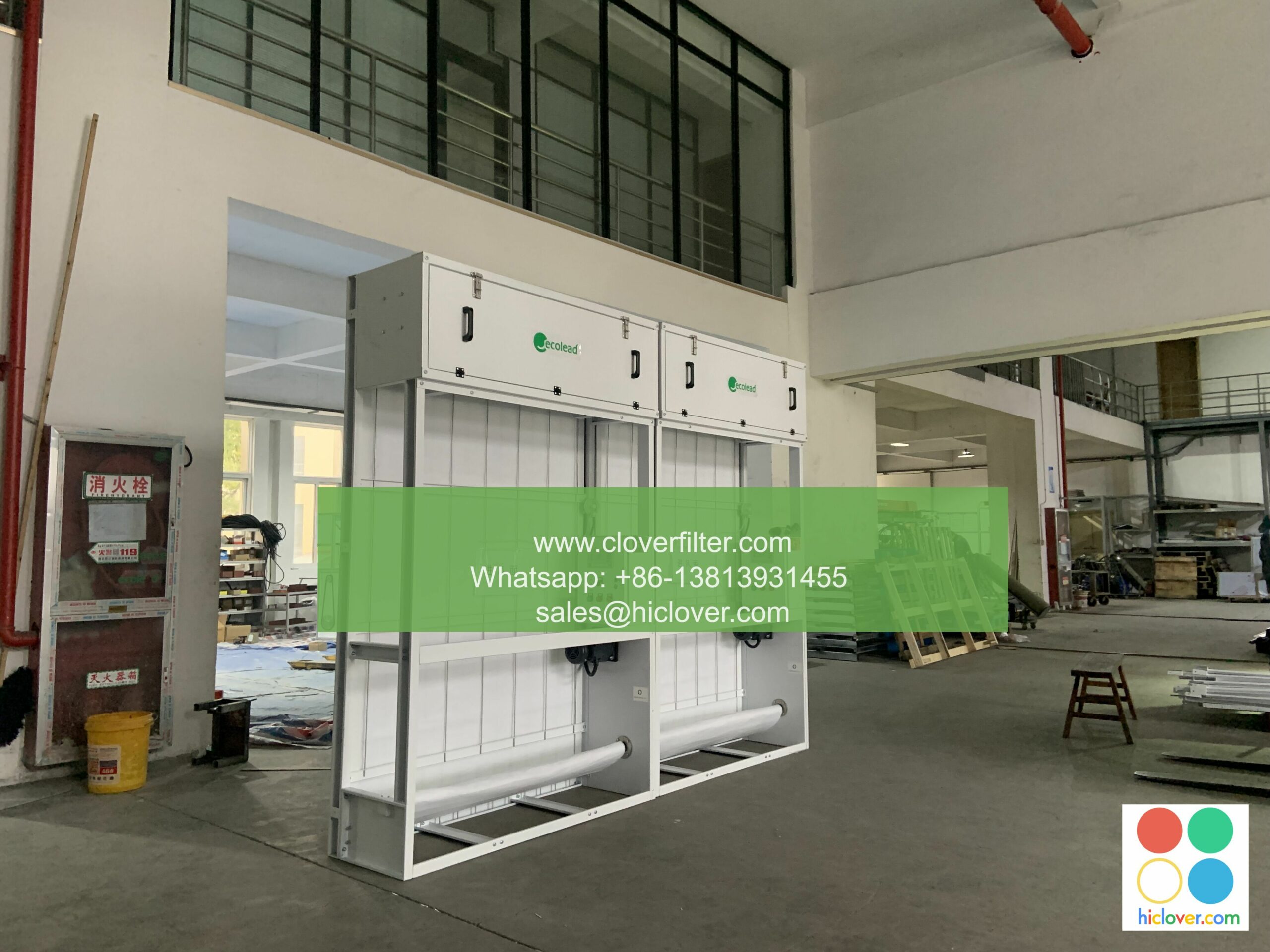
Key Takeaways
- Effective air filter production significantly enhances indoor air quality in industrial settings.
- Automatic Roll Air Filters improve particulate control and extend filter life through optimal maintenance cycles.
- Proper selection of air filtration systems hinges on specific airflow ranges and operating conditions.
- Compliance with industry standards like ISO 16890 can assure quality and reliability.
- Maintenance practices can be optimized to reduce costs and enhance energy efficiency.
- Airflow Range: Determine the needed airflow rate based on your facility’s size and operations.
- Face Velocity: A critical parameter that affects filter efficiency; it varies according to the environment (e.g., cleanrooms require lower face velocities).
- Media Width/Length: Select based on the installation space and filtration requirements.
- Frame Size: Ensure compatibility with existing HVAC systems and frames.
- Control Options: Consider programmable features for enhanced flexibility.
- Power Supply: Confirm the compatibility with available electrical sources in your facility.
- Installation Location: Whether for fresh air intake, return, or process filtration, placement is crucial for performance.
- Incorrect Sizing: Always measure the installation environment to avoid mismatches.
- Neglecting Maintenance Protocols: Set up a regular schedule to change filters based on usage and environment.
- Choosing the Wrong Type: Understand your specific needs instead of opting for commonly used filters.
- Ignoring Airflow Requirements: Assess your system’s airflow to select the right filter, avoiding pressure drop issues.
- Bypassing Quality Standards: Always ensure filters meet at least ISO 16890 guidelines for performance.
- Overlooking Budget Constraints: Factor in long-term operational costs, not just initial purchase price.
- Disregarding Environmental Conditions: Consider your facility’s unique conditions (like humidity and contamination levels) when selecting filters.
-
Data Center: A facility installed the Automatic Roll Air Filter to enhance cooling efficiency and reduce energy consumption. This resulted in a decrease in particulate ingress, improving both equipment longevity and air quality for sensitive electronics.
-
Lithium Battery Factory: Following the integration of CloverFilter’s products, the factory noted a significant reduction in airborne contaminants, contributing to safer working conditions and consistent product quality.
-
Paint Shop: Implementation of the roll media filter system led to enhanced air quality, decreasing VOC levels and improving worker comfort by maintaining a clean production environment.
-
Textile/Cement Plant: With the Automatic Roll Air Filter in place, the plant experienced improved particulate control, allowing for higher efficiency in maintaining product standards while reducing equipment clogging and maintenance expenses.

Understanding Automatic Roll Air Filters
An Automatic Roll Air Filter is a cutting-edge solution designed for HVAC systems, particularly useful in industrial applications. This filter operates via a roll media advance mechanism, automatically shifting to a fresh section of the filter media as needed. By using a differential pressure trigger, the system ensures that filter changes occur at optimal intervals, enhancing the effectiveness of particulate control. With additional features like a timer mode, you can customize the operation to match specific airflow requirements and improve the efficiency of fresh air intake in your environment.
These filters are particularly versatile and can be integrated into HVAC or Air Handling Units (AHUs) in various applications, such as data centers, battery production facilities, and paint booths. This adaptability promotes energy savings and efficient operation, fundamentally impacting indoor air quality.

Selection Guide for Air Filters
Choosing the right air filtration system is critical to ensuring quality indoor air. Here’s a practical selection guide for automatic roll air filters:
Comparison of Air Filter Types
To help you make an informed decision, here’s a comparison of various air filter types commonly used in industrial applications:
| Filter Type | Best Use Case | Maintenance | Pressure Drop Behavior | Operating Cost | Typical Risk/Downside |
|---|---|---|---|---|---|
| Automatic Roll Air Filter | High-traffic areas | Low; automated media change | Stable, minimal buildup | Moderate | Initial setup cost |
| Bag Filter | Versatile uses | Moderate; manual change | Can vary; check regularly | Low | Greater space required |
| Panel Filter | General use | High; frequent changes | Constant | Low | Short lifespan |
| V-bank | High-efficiency needs | Moderate; less frequency | Uniform | High | Higher initial cost |
Common Mistakes & How to Avoid Them
When it comes to air filter production and selection, procurement managers often overlook critical aspects. Here are common errors and tips to bypass them:
Real-World Scenarios
FAQ Section
Q1: What is the benefit of using Automatic Roll Air Filters?
A1: They provide longer operating life and reduced maintenance costs by automatically advancing to fresh filter media when needed.
Q2: How do I determine the right size of air filter for my facility?
A2: Assess your HVAC system’s specifications, including airflow rates and space available for filter installation.
Q3: Are CloverFilter products compliant with industry standards?
A3: Our products are designed according to known industry frameworks such as ISO 16890, ensuring high performance (specific certifications are available on request).
Q4: Can the filters be customized for specific applications?
A4: Yes, CloverFilter products can be tailored based on the unique operational demands of various industrial environments.
Q5: How often should I replace my air filters?
A5: This depends on the specific operating conditions and air quality requirements; however, automatic systems help streamline replacements based on differential pressure readings.
Q6: What kind of maintenance do Automatic Roll Air Filters require?
A6: Minimal maintenance is needed; the system automates media changes, requiring occasional inspections for performance verification.
Q7: What is the typical lifespan of an Automatic Roll Air Filter?
A7: Lifespan varies based on usage and environmental conditions, but most are designed for extended periods of effective use.
Q8: Do I need special tools for installation?
A8: Generally, installation requires standard HVAC tools; however, complex systems may benefit from professional assistance.
Q9: Are Automatic Roll Air Filters suitable for all industries?
A9: While highly adaptable, selection should consider specific operational and environmental needs.
Q10: How does the Automatic Roll Air Filter enhance energy efficiency?
A10: By consistently maintaining optimal airflow conditions, energy consumption is minimized, leading to cost savings.
By incorporating advanced air filter production solutions like the Automatic Roll Air Filter from CloverFilter, procurement managers and facility engineers can significantly enhance indoor air quality while also enjoying lower maintenance costs and improved energy efficiency. For further queries or to explore our range of products, reach out to us directly at CloverFilter: Contact Us.
Meta Description: Discover how air filter production impacts indoor air quality in industrial settings. Explore solutions like CloverFilter’s Automatic Roll Air Filter for optimal performance.
Sure! What would you like to discuss or create? If you have a specific topic or type of prompt in mind, please let me know!
