Quebec Pharmaceutical Plant Experiences Reduced Downtime with Automatic Roll Air Filter System and Other Cleanroom Technologies

Quebec Pharmaceutical Plant Experiences Reduced Downtime with Automatic Roll Air Filter System and Other Cleanroom Technologies
In the highly regulated and competitive world of pharmaceuticals, maintaining a clean environment is crucial. One Quebec-based pharmaceutical plant recently took a significant step towards enhancing its production efficiency by implementing an automatic roll air filter system alongside other advanced cleanroom technologies. These innovations have not only improved air quality but also reduced downtime, ultimately leading to increased productivity and operational cost savings.
The Importance of Cleanrooms in Pharmaceutical Manufacturing
Cleanrooms are controlled environments where contaminants such as dust, airborne microbes, and chemical vapors are minimized. They are essential for pharmaceutical manufacturing, as even minor contamination can lead to product recalls and severe losses. A well-maintained cleanroom ensures the integrity of products while complying with industry regulations. The adoption of cleanroom technologies has therefore become a top priority for manufacturers striving for excellence.
Automatic Roll Air Filter System: A Game Changer
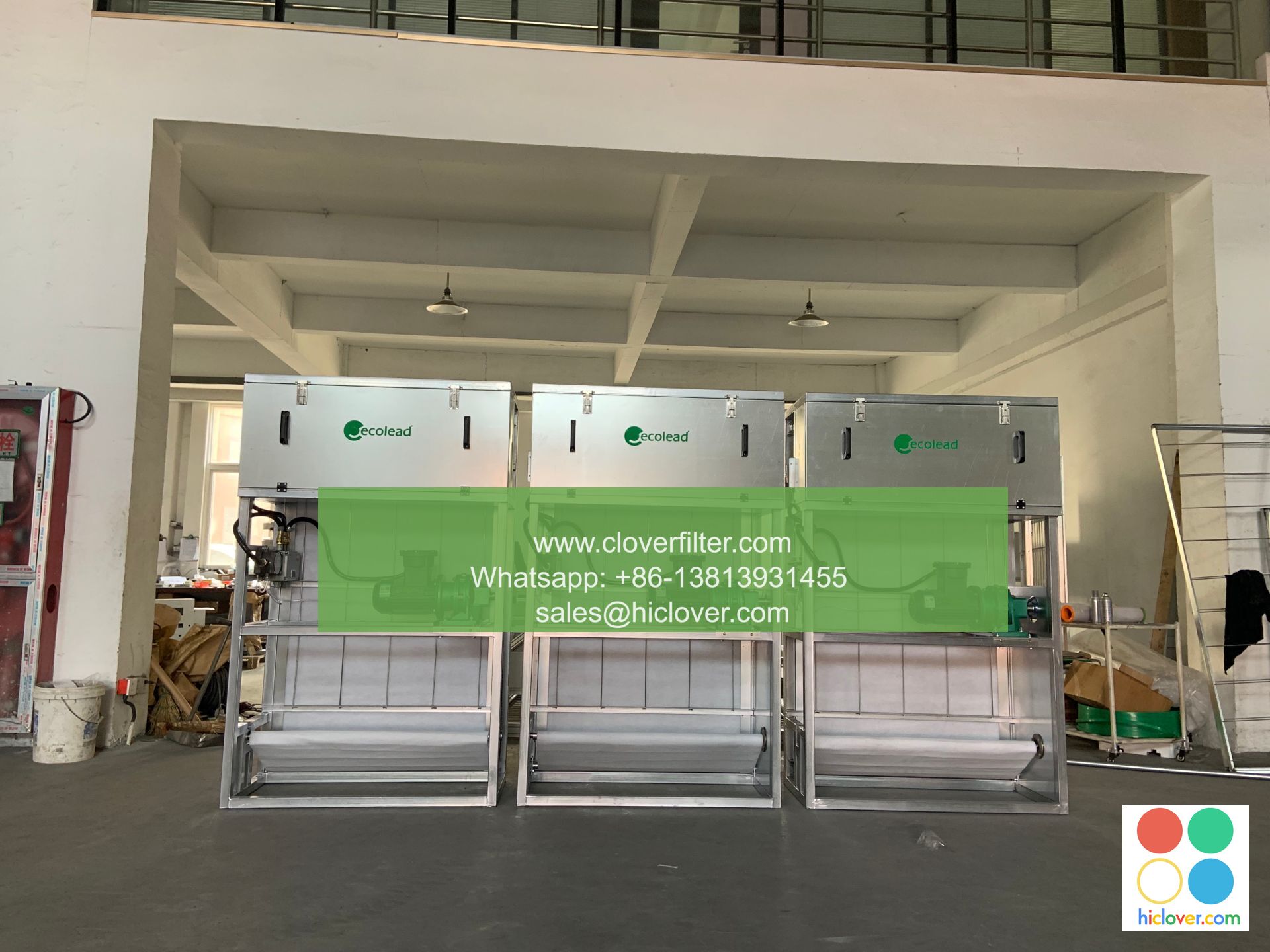
The introduction of the automatic roll air filter system at the Quebec pharmaceutical plant has proven to be a groundbreaking change. Traditional air filtration methods often required manual checks and replacements, leading to unexpected downtime during critical operations. The new automated system features a roll design that allows for continuous airflow, ensuring uniform distribution of filtered air throughout the facility.
This system not only maintains optimal air quality but also reduces maintenance frequency and associated downtime. Operators can monitor and manage air quality in real-time, allowing for immediate adjustments when necessary. As a result, the plant has reported an impressive reduction in both scheduled and unscheduled downtime, directly translating to higher productivity levels.
Integration of Other Cleanroom Technologies
Alongside the automatic roll air filter system, the plant has also embraced other cutting-edge cleanroom technologies. These include advanced airlocks, non-contact particle counters, and automated cleaning systems. Each technology plays a unique role in maintaining the cleanliness of the environment.
For instance, airlocks prevent contaminants from entering the cleanroom when personnel or materials are transferred. Non-contact particle counters ensure that the air quality remains within the required parameters. Automated cleaning systems reduce the risk of human error during the cleaning process, further ensuring the integrity of the manufacturing environment.
Enhanced Compliance and Quality Control
With the reduction in downtime and improvements in air quality, the plant has also seen a positive impact on compliance and quality control. Regulatory agencies require strict adherence to cleanliness standards, and automated systems make it easier to track and document compliance. This not only safeguards products but also enhances the plant’s reputation within the industry.
Moreover, better air quality translates to fewer defects and product recalls, allowing the company to focus on innovation and development instead of rectifying past mistakes. The integration of these technologies underscores the growing trend in the pharmaceutical industry toward modernization and efficiency.
Conclusion
The case of the Quebec pharmaceutical plant illustrates the profound impact that advanced cleanroom technologies, particularly the automatic roll air filter system, can have on operational efficiency. By reducing downtime and enhancing air quality, these innovations enable pharmaceutical manufacturers to produce higher-quality products while staying compliant with industry standards. As the pharmaceutical sector continues to evolve, the adoption of such technologies will likely become even more critical for success.
FAQs
- What is a cleanroom?
- A cleanroom is a controlled environment designed to minimize contamination and maintain high levels of cleanliness in manufacturing processes.
- How does an automatic roll air filter system work?
- This system uses a roll design for continuous airflow and air filtration, reducing the need for manual replacements and maintenance.
- Why is air quality important in pharmaceutical manufacturing?
- Maintaining high air quality is crucial to prevent contamination that can compromise product safety and efficacy.
- What other technologies are essential in cleanroom environments?
- Airlocks, non-contact particle counters, and automated cleaning systems are crucial for maintaining cleanliness and ensuring compliance.
- How can cleanroom technologies improve compliance?
- These technologies facilitate real-time monitoring and documentation of cleanliness, helping manufacturers meet stringent regulatory standards.
