Air Filter Regulations and Stakeholder Engagement: A Guide to Building Trust
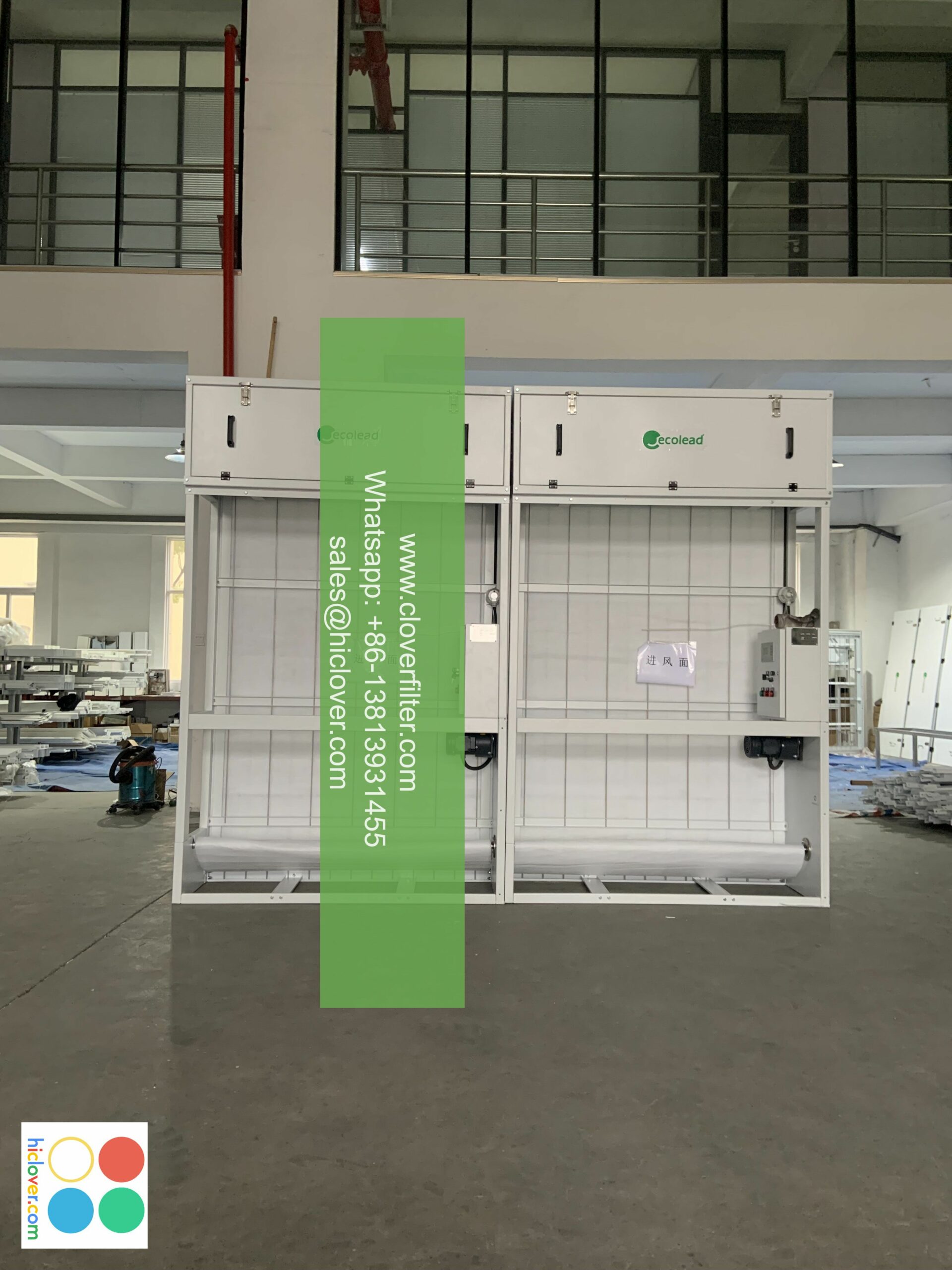
As the world grapples with the challenges of air pollution, air filter regulations have become a crucial aspect of maintaining indoor air quality and ensuring public health. However, the implementation of these regulations often requires stakeholder engagement to build trust and ensure compliance. In this article, we will explore the importance of air filter regulations and stakeholder engagement in various application areas, including industrial air filtration, commercial HVAC systems, and residential air purification.
## Introduction to Air Filter Regulations
Air filter regulations are designed to improve indoor air quality by setting standards for air filter efficiency, air flow rates, and filter maintenance. These regulations are typically enforced by government agencies and industry associations to ensure that air filter manufacturers and end-users comply with minimum standards. Some of the key air filter regulations include:
* ASHRAE standards for industrial air filtration and commercial HVAC systems
* HEPA filter standards for residential air purification and medical facilities
* ISO 16890 standards for air filter testing and validation
## Stakeholder Engagement: Building Trust and Compliance
Stakeholder engagement is critical to building trust and ensuring compliance with air filter regulations. This involves communicating effectively with key stakeholders, including:
* Air filter manufacturers and suppliers
* End-users, such as facility managers and building owners
* Regulatory agencies and industry associations
* Public health organizations and environmental groups
Effective stakeholder engagement involves:
* Transparent communication of regulatory requirements and compliance deadlines
* Collaborative problem-solving to address technical challenges and implementation issues
* Education and training on air filter selection, installation, and maintenance
## Application Areas: Industrial Air Filtration, Commercial HVAC Systems, and Residential Air Purification
Air filter regulations and stakeholder engagement have significant implications for various application areas, including:
* Industrial air filtration: Manufacturing facilities, power plants, and chemical processing plants must comply with ASHRAE standards and OSHA regulations to ensure worker safety and environmental protection.
* Commercial HVAC systems: Office buildings, hotels, and hospitals must comply with ASHRAE standards and local building codes to ensure indoor air quality and energy efficiency.
* Residential air purification: Homeowners and renters must comply with HEPA filter standards and local regulations to ensure indoor air quality and public health.
## Conclusion
In conclusion, air filter regulations and stakeholder engagement are essential for building trust and ensuring compliance in various application areas. By communicating effectively with key stakeholders and collaborating on technical challenges, we can improve indoor air quality, protect public health, and reduce environmental pollution. As the world continues to grapple with the challenges of air pollution, it is crucial that we prioritize air filter regulations and stakeholder engagement to create a healthier and sustainable future.
Key Takeaways:
* Air filter regulations are critical for improving indoor air quality and protecting public health
* Stakeholder engagement is essential for building trust and ensuring compliance with air filter regulations
* Application areas such as industrial air filtration, commercial HVAC systems, and residential air purification require specific regulations and stakeholder engagement to ensure compliance and effectiveness It looks like you haven’t provided a prompt yet. Please go ahead and give me a topic, question, or task, and I’ll be happy to help!
