Air Filter Standards for Specific Industries
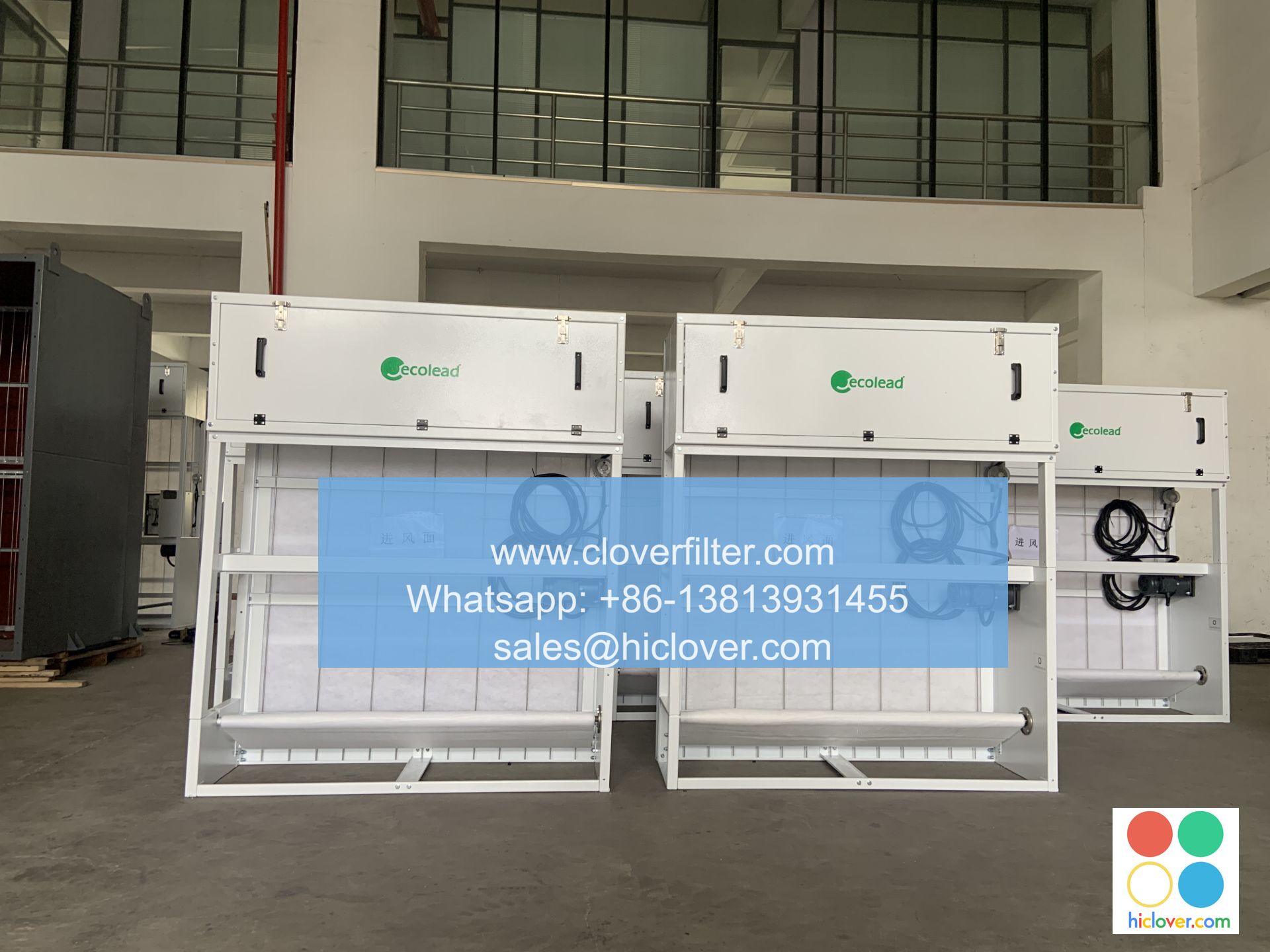
Air filtration is a critical aspect of various industries, including healthcare, pharmaceuticals, food processing, and electronics manufacturing. Each industry has its unique set of requirements and standards for air filters to ensure the quality of products, protect equipment, and provide a safe working environment. In this article, we will delve into the air filter standards for specific industries, highlighting various application areas and key considerations.
Healthcare Industry: High-Efficiency Air Filters
In the healthcare industry, air filtration plays a vital role in preventing the spread of infectious diseases and maintaining a sterile environment. The Centers for Disease Control and Prevention (CDC) and the World Health Organization (WHO) recommend the use of high-efficiency particulate air (HEPA) filters in healthcare facilities. These filters are designed to capture 99.97% of particles as small as 0.3 microns, including bacteria, viruses, and other microorganisms.
Pharmaceutical Industry: Cleanroom Air Filters
The pharmaceutical industry requires cleanroom air filters that meet the highest standards of purity and quality. The International Organization for Standardization (ISO) sets guidelines for cleanroom air filtration, including the use of ULPA (ultra-low penetration air) filters and HEPA filters. These filters are designed to remove 99.999% of particles as small as 0.1 microns, ensuring the quality and integrity of pharmaceutical products.
Food Processing Industry: Sanitary Air Filters
In the food processing industry, air filtration is crucial for preventing contamination and maintaining a sanitary environment. The US Department of Agriculture (USDA) and the Food and Drug Administration (FDA) regulate air filtration in food processing facilities, requiring the use of sanitary air filters that meet specific standards for cleanability and microbial resistance.

Electronics Manufacturing Industry: Electrostatic Air Filters
The electronics manufacturing industry requires air filtration systems that protect sensitive electronic components from dust, moisture, and other contaminants. Electrostatic air filters are commonly used in this industry, as they are effective in capturing submicron particles and ionized gases. The Institute of Electrical and Electronics Engineers (IEEE) sets standards for air filtration in electronics manufacturing, including guidelines for filter efficiency and pressure drop.
Conclusion
In conclusion, air filter standards vary across different industries, and it is essential to understand these standards to ensure the quality of products, protect equipment, and provide a safe working environment. By highlighting various application areas and key considerations, this article aims to provide a comprehensive overview of air filter standards for specific industries, including healthcare, pharmaceuticals, food processing, and electronics manufacturing. By selecting the right air filters for your industry, you can maintain a clean and safe environment, reduce the risk of contamination, and improve overall productivity. It seems like you’re ready to start a conversation or need help with something, but you haven’t specified what’s on your mind. Could you please provide more details or clarify how I can assist you today?
