The Future of Air Filter Regulations: Regulatory Frameworks and Emerging Trends
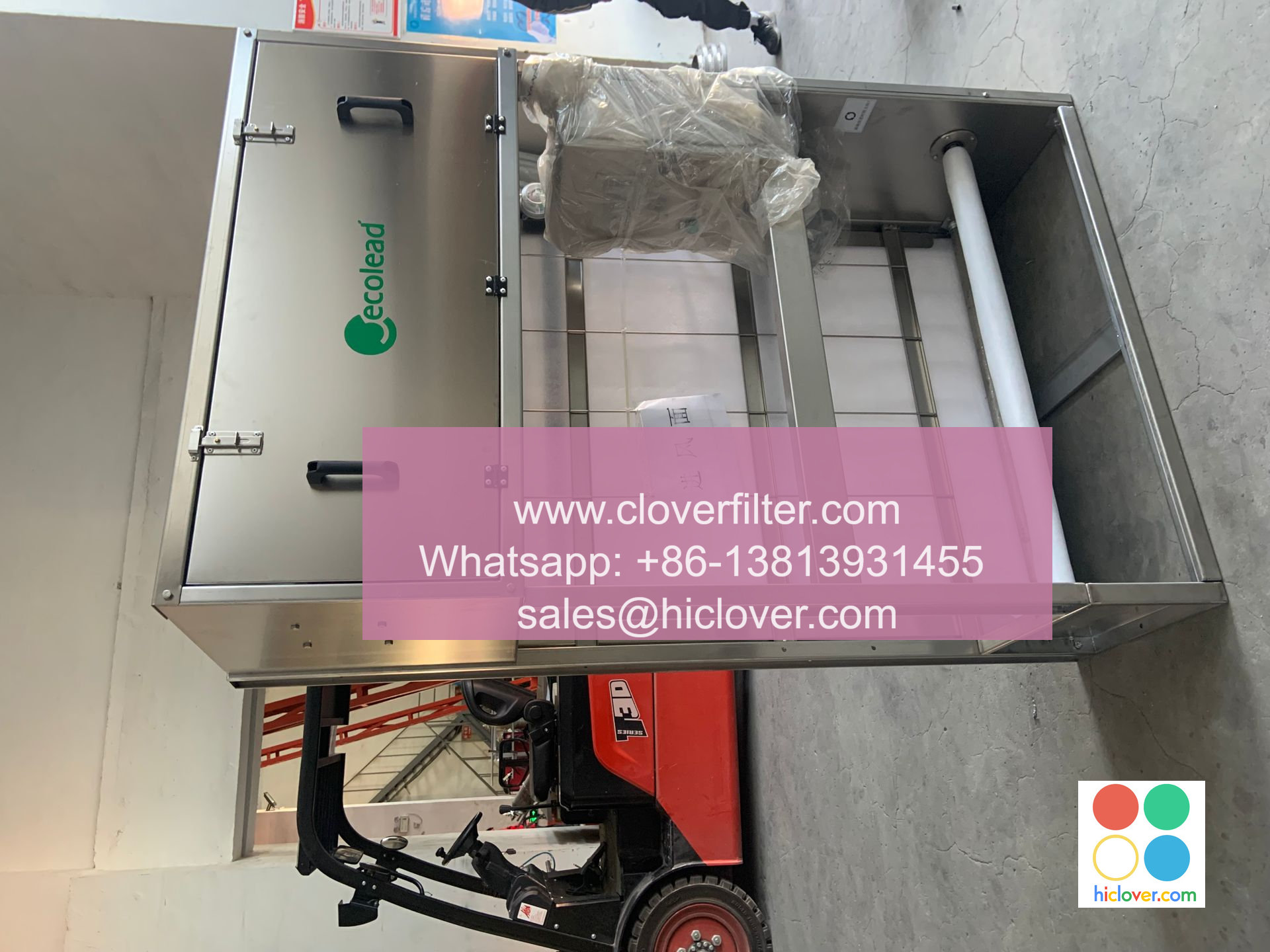
As the world grapples with the challenges of air pollution, climate change, and indoor air quality, the importance of air filters has never been more pronounced. The air filter industry is poised for significant growth, driven by increasing demand for high-efficiency particulate air (HEPA) filters, ultra-low penetration air (ULPA) filters, and other advanced filtration technologies. However, this growth is also accompanied by an evolving regulatory landscape, with governments and organizations implementing new air filter regulations and standards to ensure the safety and efficacy of these products.
Regulatory Frameworks: Current State and Future Directions
The regulatory framework for air filters is complex and multifaceted, involving various government agencies, industry associations, and international organizations. In the United States, the Environmental Protection Agency (EPA) and the Occupational Safety and Health Administration (OSHA) play key roles in shaping air filter regulations, while in Europe, the European Union (EU) and the European Committee for Standardization (CEN) are responsible for developing and implementing standards. The International Organization for Standardization (ISO) also provides a framework for air filter standards globally.
Key regulatory areas include:
* Air quality standards: Governments are establishing stricter air quality standards, driving demand for more efficient air filters.
* Filter testing and certification: Organizations such as the Air Conditioning, Heating, Refrigeration Certification Board (ACHR) and the Association of Home Appliance Manufacturers (AHAM) are developing testing and certification protocols for air filters.
* Indoor air quality (IAQ) guidelines: Regulatory bodies are issuing guidelines for IAQ, emphasizing the importance of air filtration in maintaining healthy indoor environments.
Emerging Trends: Nanofiltration, Antimicrobial Filters, and IoT-Enabled Air Filtration
The air filter industry is witnessing significant innovation, driven by advances in materials science, nanotechnology, and digital technologies. Some key emerging trends include:
* Nanofiltration: The use of nanomaterials and nanotechnology to develop filters with improved efficiency and selectivity.
* Antimicrobial filters: Filters designed to capture and inactivate microorganisms, enhancing IAQ and preventing the spread of diseases.
* IoT-enabled air filtration: The integration of air filters with Internet of Things (IoT) technologies, enabling real-time monitoring, remote control, and predictive maintenance.
These trends are expected to have a significant impact on various application areas, including:
* Commercial HVAC systems: High-efficiency air filters will play a crucial role in maintaining healthy indoor environments in commercial buildings.
* Industrial air purification: Advanced air filters will be used to control emissions and ensure compliance with air quality regulations in industrial settings.
* Residential air filtration: Homeowners will increasingly adopt air filters with advanced features, such as Wi-Fi connectivity and mobile app control, to improve IAQ and reduce energy consumption.
Conclusion: The Future of Air Filter Regulations and Emerging Trends
The future of air filter regulations and emerging trends is highly interconnected, with regulatory frameworks driving innovation and the development of new technologies. As governments and organizations continue to implement stricter air quality standards and guidelines, the air filter industry will respond with more efficient, effective, and innovative products. The integration of advanced materials, nanotechnology, and digital technologies will play a key role in shaping the future of air filtration, enabling the creation of smarter, more efficient, and more sustainable air filters that improve IAQ, reduce energy consumption, and protect public health. Prompt

