Air Filter Systems for Nuclear Power Plants and Radiation Applications
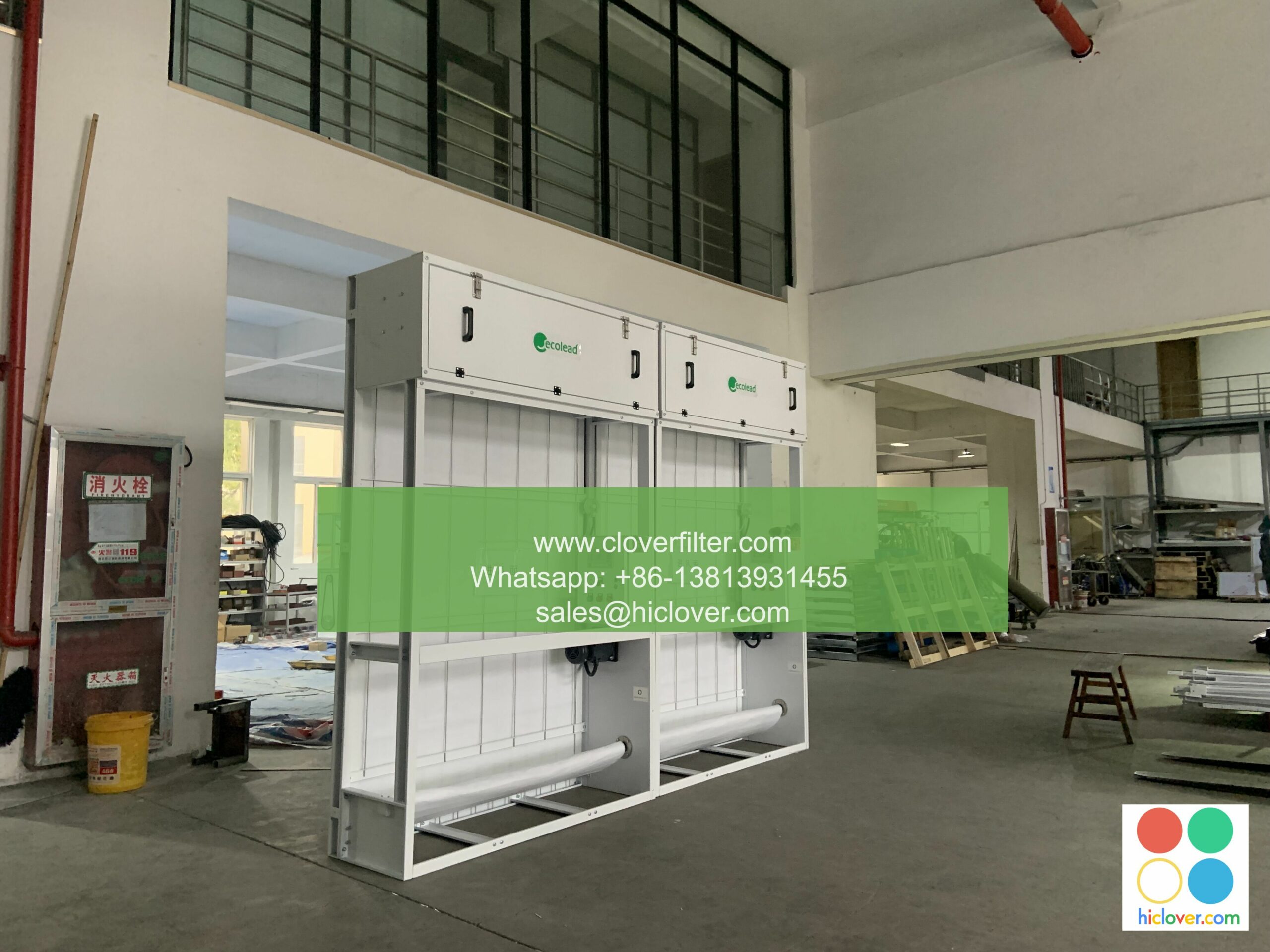
Ensuring Safety and Efficiency in the Nuclear Energy Sector

Importance of Air Filtration in Nuclear Facilities
The role of air filter systems in nuclear power plants is critical for maintaining safety and operational efficiency. These systems are designed to prevent the release of radioactive particles into the environment, ensuring that both personnel and the public are protected from potential exposure.
Types of Air Filter Systems
HEPA Filters
High-Efficiency Particulate Air (HEPA) filters are the gold standard in air filtration for nuclear applications. Capable of capturing 99.97% of particles as small as 0.3 microns, HEPA filters are essential in areas with high radiation levels, such as reactor cores and containment buildings.
Activated Carbon Filters
Activated carbon filters play a crucial role in adsorbing radioactive gases and volatile organic compounds. These filters are pivotal in controlling airborne contaminants, especially in the event of an incident that may lead to the release of hazardous substances.
Application Areas of Air Filter Systems
In Nuclear Power Plants
During normal operations, air filter systems in nuclear power plants are essential for ventilating control rooms, turbine buildings, and other critical areas. The systems must operate continuously to maintain air quality and control humidity.
In Radiation Therapy
In medical settings, particularly in radiation therapy, air filter systems ensure a safe environment for patients and healthcare professionals. They minimize the risk of exposure to radioactive particles released during treatment.
Emergency Situations
During emergencies, such as a reactor malfunction or a containment breach, the effectiveness of air filter systems is paramount. Quick response systems including airborne contamination control can prevent the spread of radioactive materials.
Research and Development Facilities
Research institutions conducting experiments with radioactive materials rely on robust air filter systems to ensure that their environments remain uncontaminated. These facilities employ specialized air filtration techniques to comply with stringent safety regulations.
Compliance and Safety Standards
Air filter systems used in nuclear power plants must adhere to strict industry standards set forth by regulatory bodies such as the U.S. Nuclear Regulatory Commission (NRC) and international organizations. Regular testing and maintenance are crucial to ensure these systems function correctly and consistently.
Future Directions in Air Filtration Technology
With advancements in technology, the future of air filter systems in nuclear and radiation applications looks promising. Innovations such as smart filtration systems and nanotechnology in filter media are anticipated to enhance efficiency and monitoring capabilities, further improving safety protocols in the industry.
It looks like you might have something specific in mind for a prompt. Could you please provide more details or clarify what you need assistance with? I’m here to help!
