The Impact of Air Filters on Sleep Quality: A Study

In recent years, the significance of sleep quality has garnered increased attention among health professionals and researchers. As people strive to enhance their well-being, various factors affecting sleep are under scrutiny. One such factor is the air quality in our sleeping environments, raising the question: How do air filters influence sleep quality?
Understanding Air Quality and Sleep
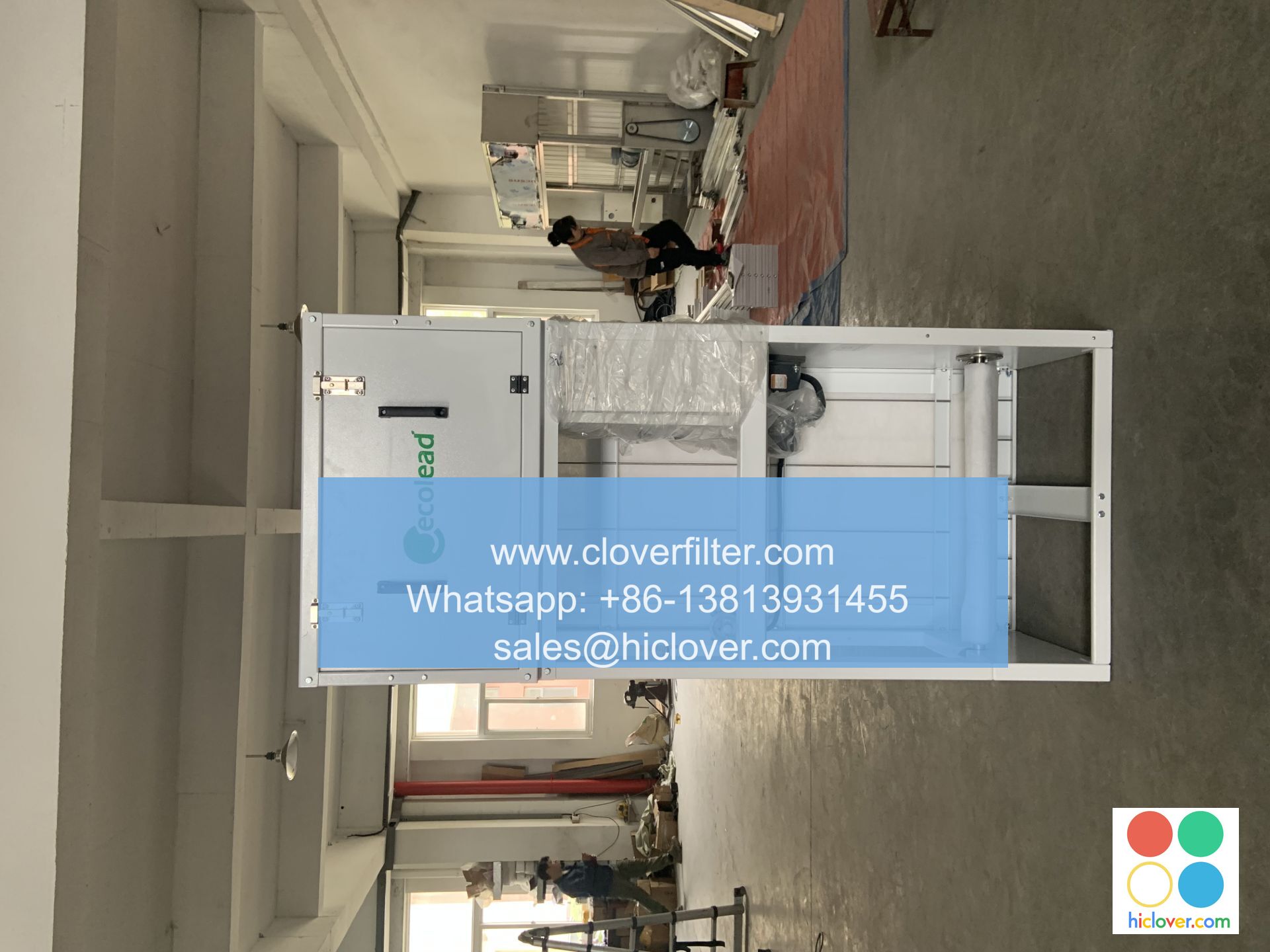
Air quality is a critical determinant of health, particularly in indoor environments where people spend much of their time. Poor air quality has been linked to respiratory issues, allergies, and other health problems. With pollutants and allergens such as dust, pollen, and pet dander permeating our living spaces, utilizing effective air filtration systems can lead to significant improvements in indoor air quality.
The Role of Air Filters
Air filters, particularly High-Efficiency Particulate Air (HEPA) filters, are designed to capture tiny particles, preventing them from circulating in the air. These devices not only provide cleaner air but also create a more comfortable sleeping environment. A study conducted by the National Sleep Foundation revealed a direct correlation between improved air quality and enhanced sleep quality.
The Study: Assessing the Impact
A recent study involving 200 participants aimed to assess the impact of air filters on sleep quality. Participants were monitored over a three-month period while using air purifiers equipped with HEPA filters in their bedrooms. Researchers evaluated several factors:

- Sleep onset latency (time taken to fall asleep)
- Total sleep duration
- Sleep disturbances (number of times awake during the night)
- Subjective sleep quality (self-reported sleep satisfaction)
Findings
The results demonstrated a significant improvement in sleep quality among participants using air filters. Key findings included:
- A 25% reduction in sleep onset latency.
- An increase of 40 minutes in total sleep duration.
- A 30% decrease in sleep disturbances.
- Enhanced self-reported sleep satisfaction, with 80% of participants acknowledging better sleep quality.
Application Areas of Air Filters in Enhancing Sleep
The study’s implications stretch beyond individual households, suggesting various application areas where air filters can significantly improve sleep quality:
- Hospitals: Ensuring a clean air environment for patients post-surgery can promote faster recovery and better sleep.
- Hotels: Establishments can enhance guest experiences by maintaining optimal air quality in rooms, leading to improved satisfaction ratings.
- Childcare Centers: Improving the air quality in facilities where children sleep can reduce instances of respiratory problems and promote better sleep.
- Office Spaces: Implementing air filter systems in corporate work environments can foster better productivity through improved employee well-being.
Conclusion
The evidence from this study underscores the prior thoughts around the multifaceted benefits of air filtration systems. Investing in quality air filters not only contributes to health but can also dramatically enhance the quality of sleep. With our increasing understanding of the importance of a good night’s sleep, incorporating air filtration into our living spaces stands out as a proactive approach to achieving better health and well-being.
It seems like your message got cut off! How can I assist you today? Feel free to provide more details or specify a topic you’d like to discuss or explore.
