Assessing the Impact of Automatic Dust Control on Pharmaceutical Storage Conditions
Introduction

The pharmaceutical industry operates under strict regulations and guidelines to ensure the integrity of medications and health products. One critical factor in maintaining optimal storage conditions is the management of dust in warehouses and storage facilities. This article delves into the impact of automatic dust control systems on pharmaceutical storage environments, highlighting various application areas and potential benefits.
The Importance of Dust Control in Pharmaceuticals
Dust can have detrimental effects on pharmaceutical products, compromising their safety, efficacy, and overall quality. Critical areas that require stringent dust management include:
- Raw Material Storage: Dust accumulation on active pharmaceutical ingredients (APIs) can result in contamination and degradation.
- Packaging Areas: Cleanliness is vital to prevent external contaminants from entering product packages.
- Distribution Centers: Dust control in storage facilities is essential to ensure that products transported from warehouses to pharmacies maintain their integrity.
- Air Filtration: High-efficiency particulate air (HEPA) filters trap dust and contaminants, ensuring cleaner air in storage environments.
- Monitoring Sensors: Smart sensors detect dust levels and activate control systems as needed, enhancing operational efficiency.
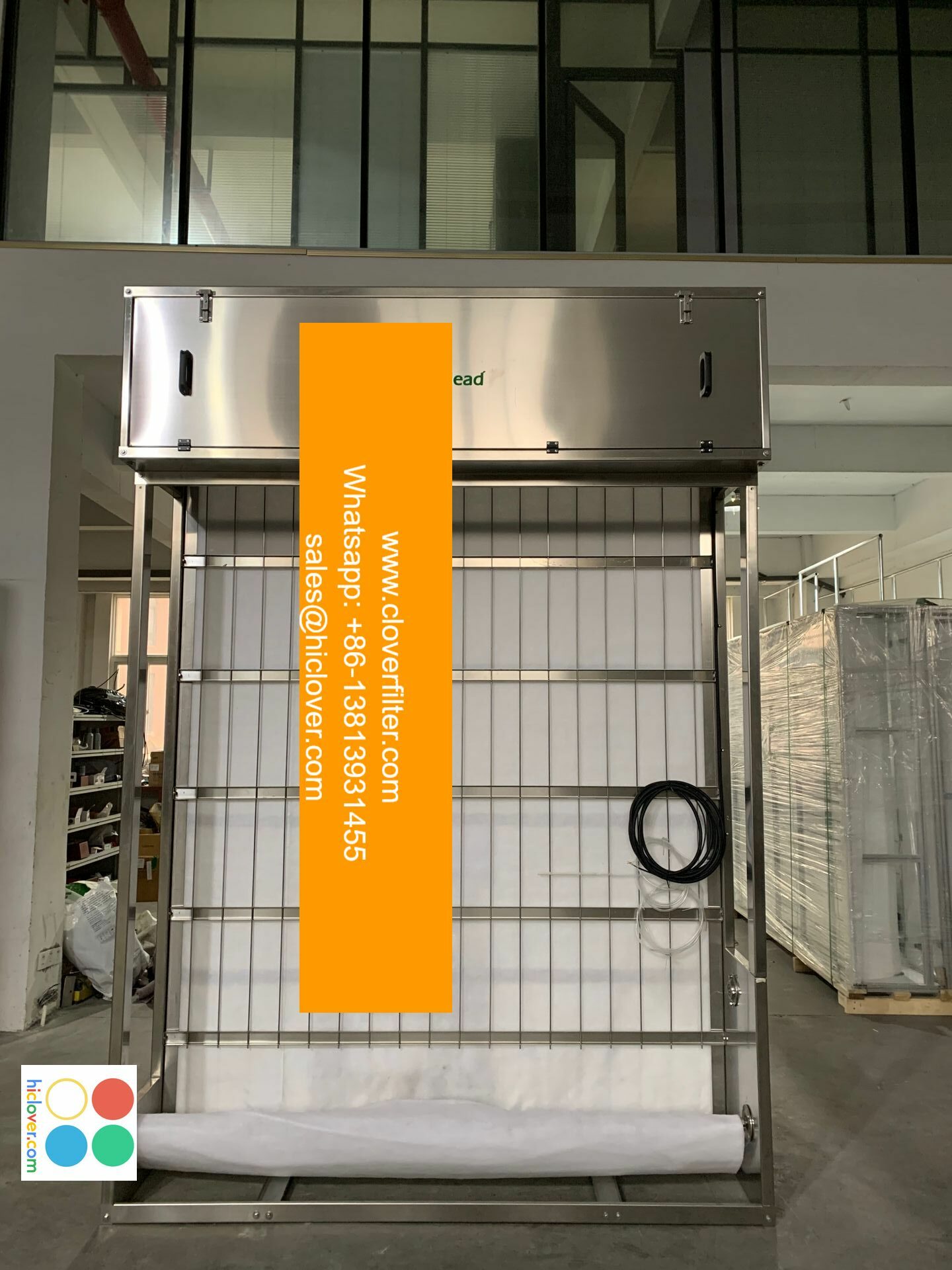
- Fogging Systems: These systems generate a mist that captures airborne dust particles, settling them before they can accumulate on surfaces.
- Improved Product Quality: Consistent dust control ensures the preservation of pharmaceutical products, reducing the risk of contamination.
- Regulatory Compliance: Automated systems help meet strict industry standards regarding cleanliness and product safety.
- Cost Efficiency: Reducing manual cleaning efforts and minimizing product recalls due to contamination can decrease operational costs.
- Food and Beverage: Maintaining dust-free environments is critical to food safety and contamination prevention.
- Electronics Manufacturing: Dust can damage sensitive components, which makes dust control essential in cleanroom environments.
- Aerospace: The production of aircraft components requires the utmost cleanliness to ensure safety and reliability.

How Automatic Dust Control Systems Work
Automatic dust control systems utilize advanced technologies, such as:
Benefits of Implementing Automatic Dust Control
Implementing automatic dust control measures can lead to numerous advantages for pharmaceutical companies, including:
Application Areas Beyond Pharmaceuticals
While the impact of automatic dust control is significant in the pharmaceutical sector, its application extends to other industries, such as:
Conclusion
In summary, the integration of automatic dust control systems in pharmaceutical storage facilities is not only essential for maintaining product integrity but also represents a proactive approach to regulatory compliance and operational efficiency. As industries continue to advance, embracing such technologies will only become more critical in preserving both product quality and consumer health.
It looks like your message was cut off. Could you please provide more details or clarify what you’d like assistance with?
