The Future of Air Filter Design: Trends and Innovations
Key Takeaways
- Automation and Efficiency: Innovations like the Automatic Roll Air Filter reduce maintenance efforts while enhancing efficiency.
- Enhanced Particle Control: Air filter design is evolving to meet stringent standards, improving filtration effectiveness across various industries.
- Energy Savings: Modern designs prioritize energy efficiency, allowing significant cost savings in the long run.
- Adaptability: Advanced air filter designs can be tailored for specific applications, such as data centers, hospitals, or manufacturing facilities.
- Compliance with Standards: Understanding certifications such as ISO 16890 and MERV can guide procurement processes without misrepresentation.
- Integration with HVAC Systems: New designs fit seamlessly into existing systems, such as AHUs for improved air quality management.
- Airflow Range: Ensure the filter’s specifications match the required airflow of your system.
- Face Velocity: Assess the ideal face velocity needed for your specific application.
- Media Width/Length: Verify dimensions to ensure proper fit and performance in the intended location.
- Frame Size: Choose frames compatible with your existing air handling unit or ductwork.
- Control Options: Look for features like differential pressure gauges or timer settings to automate performance.
- Power Supply: Determine whether the filter requires electrical power to operate its automatic features.
- Installation Location: Specify if the filter will be positioned for fresh air intake, return airflow, or process filtration needs.
- Underestimating the Need for Automation: Failing to consider automated options like the Automatic Roll Air Filter can lead to increased maintenance costs.
- Neglecting Compliance Standards: Not consulting relevant standards like ISO 16890 or MERV can result in poor filtration decisions.
- Ignoring Operating Costs: Choosing filters based solely on initial purchase cost without considering long-term energy impact is a costly mistake.
- Misjudging Airflow Needs: Not accurately calculating airflow requirements can lead to insufficient air quality.
- Selecting the Wrong Size: Inaccurate dimensions can lead to installation issues and reduced filtration effectiveness.
- Overlooking Maintenance Accessibility: Filters that are difficult to access for maintenance can lead to operational inefficiencies.
- Failing to Adapt Designs to Specific Applications: One-size-fits-all solutions may not meet particular industry needs, compromising air quality.
-
Data Center: A leading tech firm implemented the Automatic Roll Air Filter in its data center. By automating filtration, they significantly reduced energy costs and extended the life of sensitive equipment by improving air quality.
-
Battery Factory: A lithium battery manufacturing plant adopted a robust air filtration strategy using roll media technology. This tailored system minimized airborne contaminants, enhancing product quality and employee safety.
-
Paint Shop: In an automotive paint booth, the integration of the Automatic Roll Air Filter streamlined operations by ensuring a consistent air quality environment, crucial for superior paint adhesion and finishing.
-
Textile and Steel Plants: An industrial textile manufacturer improved its air quality by utilizing advanced air filter designs, which significantly reduced particulate matter, leading to lower health risks for employees and adherence to safety regulations.

Introduction to Air Filter Design
In recent years, air filter design has undergone transformative changes, driven by advancements in technology and increasing demands for cleaner air. The rise of the Automatic Roll Air Filter is a crucial advancement, providing an automated solution that simplifies maintenance in various settings, from cleanrooms to industrial factories. This innovative design not only enhances particulate control but also improves overall energy efficiency and operational performance.

What is an Automatic Roll Air Filter?
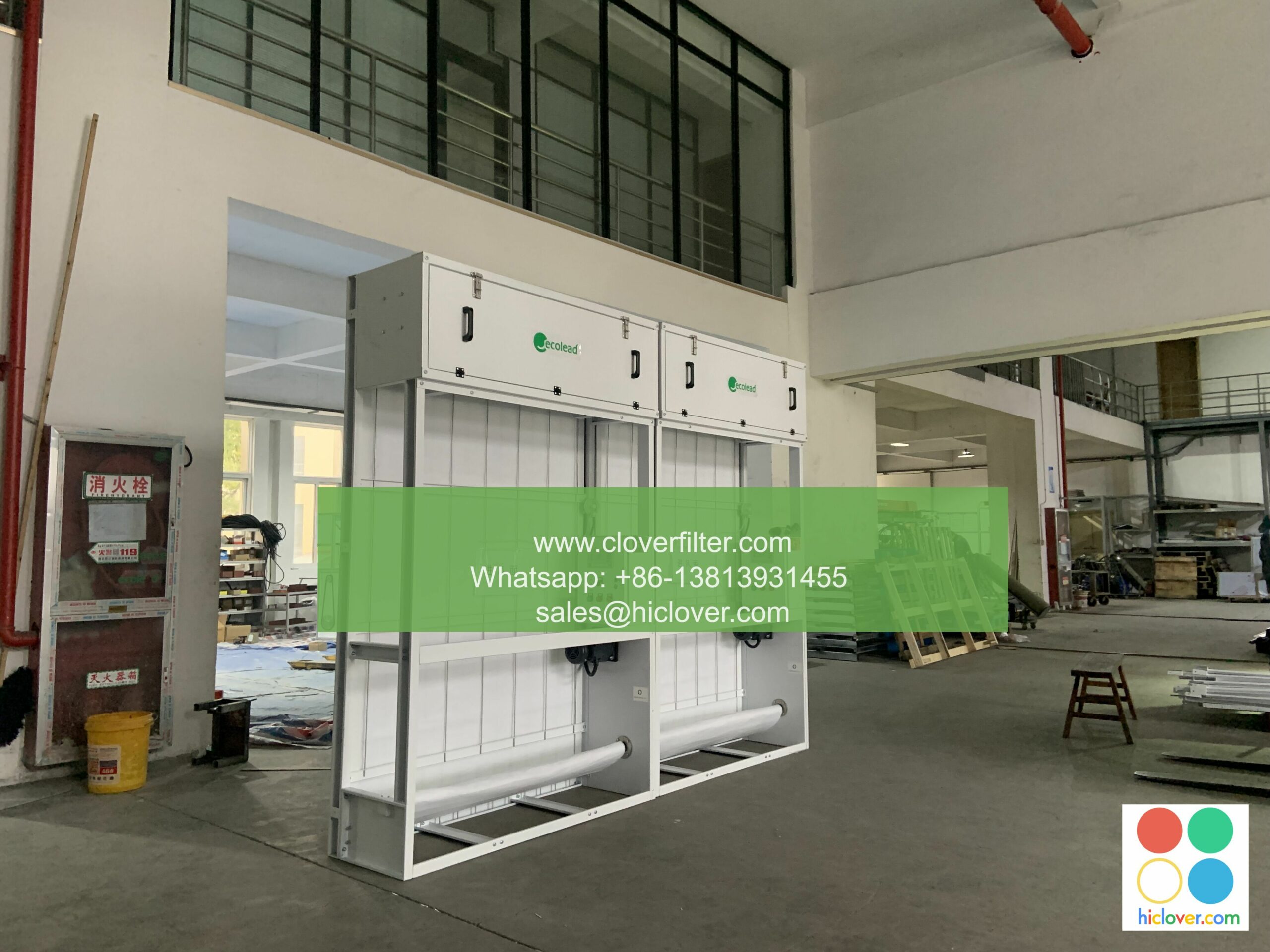
An Automatic Roll Air Filter utilizes roll media that advances when pressure differentials trigger a timer or sensor. As air passes through the system, particulate accumulation is monitored, prompting the roll media to adjust and provide a fresh filtration layer. This automatic advancement means that maintenance is drastically reduced, as users are alerted only when necessary, streamlining the management of fresh air intake systems.
In the context of HVAC (Heating, Ventilation, and Air Conditioning) and AHU (Air Handling Units) systems, the Automatic Roll Air Filter serves as an effective prefilter that captures a wide range of particulate matter before it enters sensitive environments. This is particularly important in industries where air quality directly impacts product integrity and human health.
Selection Guide for Air Filter Design
When choosing an air filter suited for your needs, consider the following factors:
Comparison of Air Filter Types
| Filter Type | Best Use Case | Maintenance | Pressure Drop Behavior | Operating Cost | Typical Risk/Downside |
|---|---|---|---|---|---|
| Automatic Roll Air Filter | High-efficiency applications | Low | Consistent | Moderate | Requires initial investment |
| Bag Filter | General industrial applications | Moderate | Variable | Low | Heavier, less accessible |
| Panel Filter | Standard HVAC systems | High | Low | Moderate | Frequent replacement needed |
| V-bank | High air volume situations | Moderate | Low | High | Space utilization challenges |
Common Mistakes & How to Avoid Them
When selecting an air filter, avoid these common pitfalls:
Real-World Scenarios
Conclusion
The continuous evolution of air filter design, highlighted by innovations like the Automatic Roll Air Filter from CloverFilter, is essential for improving air quality across various industries. A focus on automation, efficiency, and compliance can streamline operations and create safer environments for both products and personnel.
For more information on the latest air filtration solutions and to explore how CloverFilter can meet your needs, visit CloverFilter.
FAQ
1. What is an Automatic Roll Air Filter?
An Automatic Roll Air Filter automatically advances its filter media in response to differential pressure, ensuring consistent filtration without frequent manual maintenance.
2. How does air filter design impact energy efficiency?
Optimizing air filter design reduces airflow resistance, resulting in lower energy consumption for HVAC systems.
3. What factors should I consider when selecting an air filter?
You should evaluate airflow range, face velocity, media dimensions, frame size, control options, power supply, and installation location.
4. Are automatic filters more cost-effective?
While they may have higher upfront costs, the long-term maintenance savings and energy efficiency can make them cost-effective over time.
5. How do I ensure compliance with air quality standards?
It’s advisable to consult general framework standards like ISO 16890 or MERV during selection and confirm certifications are available on request.
6. How do Automatic Roll Air Filters improve maintenance?
These filters trigger automatic media advancement when collecting debris, reducing manual checkups and maintenance frequency.
Meta Description: Discover the latest trends and innovations in air filter design, including the benefits of the Automatic Roll Air Filter for various industrial applications.
For further inquiries and to discuss your air filtration needs, contact CloverFilter at CloverFilter Contact.
Sure! Could you please provide more details or specify what type of prompt you’re looking for? It could be anything from story ideas, essay prompts, creative writing, or something else entirely!
