Automatic Roll Air Filters in Food Labs: A Study on the Effect of Filter Maintenance on Air Quality
Automatic Roll Air Filters in Food Labs: A Study on the Effect of Filter Maintenance on Air Quality
Maintaining optimal air quality in food laboratories is crucial for ensuring product safety and compliance with health regulations. One innovative solution increasingly adopted in these settings is the use of automatic roll air filters. This article explores their function, maintenance requirements, and the correlation between filter upkeep and air quality.

Understanding Automatic Roll Air Filters
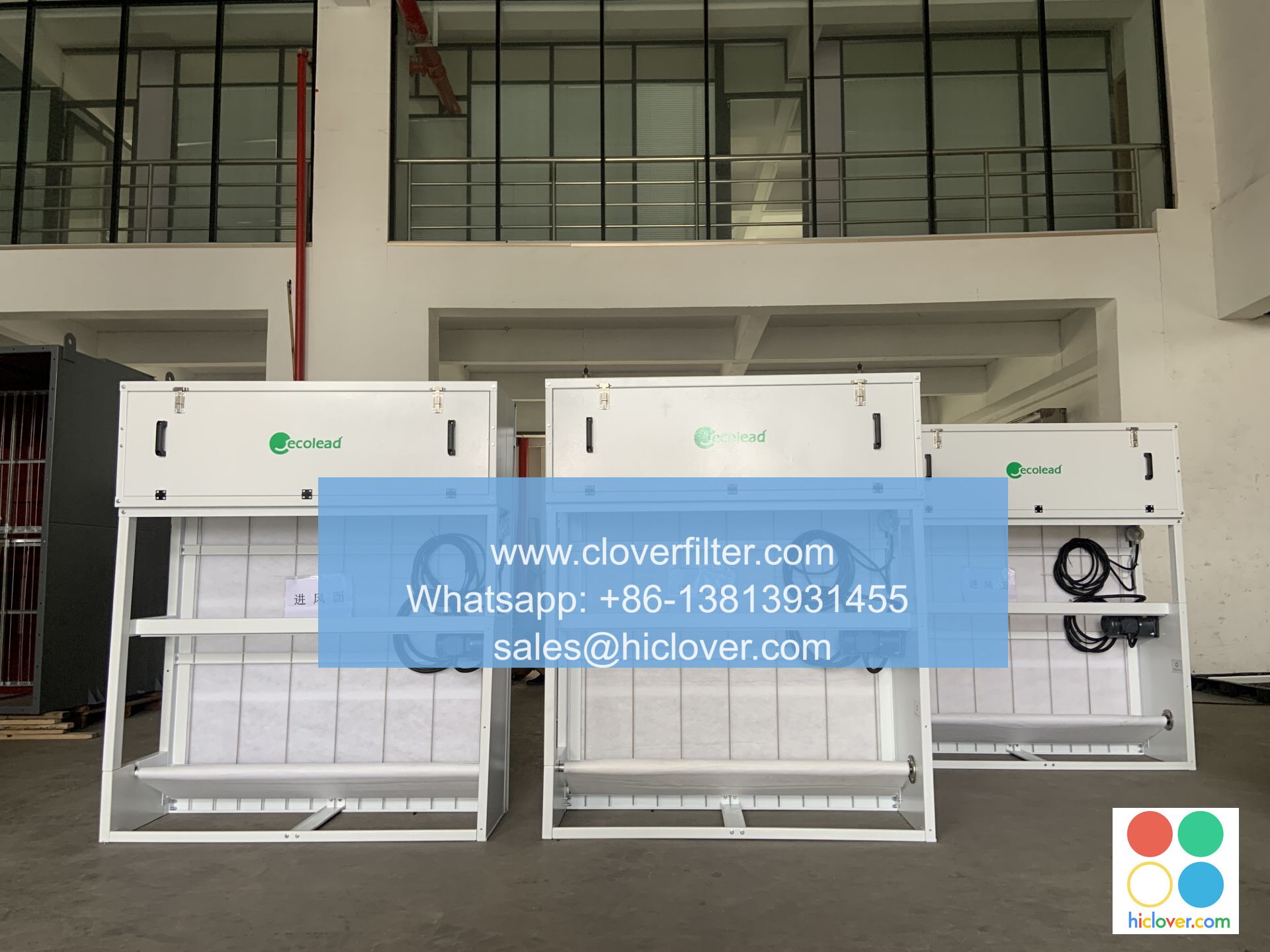
Automatic roll air filters are advanced filtration systems designed to maintain high air quality by automatically replacing and rotating filter material. These devices use a roll of filter media that is fed through the air system as needed. This ensures that the filter surface remains clean and effective by regularly replacing the used portion, preventing the buildup of contaminants that can compromise air quality.
The Importance of Air Quality in Food Labs
Air quality in food labs is paramount, as contamination can lead to spoilage, health hazards, and regulatory violations. Essential factors include the presence of particulate matter, VOCs (volatile organic compounds), and microbial contaminants. A dedicated focus on maintaining clean air not only ensures the integrity of experimental outcomes but also protects the health of lab personnel.
Impact of Filter Maintenance on Air Quality
The performance of automatic roll air filters hinges significantly on their maintenance regimes. Regular upkeep is critical, as neglected filters can turn into sources of contamination rather than solutions. Regular monitoring and timely replacement of filter rolls can help reduce airborne particles and VOC levels drastically. Studies indicate that proper filtration and consistent maintenance lead to improved overall air quality in food labs.
A study conducted over six months in a food laboratory highlighted the correlation between filter maintenance and air quality. Air quality parameters such as particulate matter levels and microbial counts were monitored before and after filter changes. The results indicated an average reduction of 58% in particulate matter and a 72% decrease in microbial contaminants in the air following timely maintenance.
Best Practices for Filter Maintenance
To optimize the effectiveness of automatic roll air filters, food labs should adopt a systematic maintenance protocol:
- Routine Inspections: Regularly inspect the system to check for any visible blockages or wear in filter rolls.
- Scheduled Replacements: Establish a schedule for changing the filter rolls based on usage patterns, typically every 3 to 6 months.
- Monitor Air Quality: Periodically perform air quality testing to ensure that the filter system is functioning effectively.
- Training Personnel: Ensure that lab staff are adequately trained on the importance of the filtration system and how to maintain it.
Conclusion
The integration of automatic roll air filters in food labs not only enhances air quality but also contributes to maintaining a safe research environment. The study demonstrates a clear link between filter maintenance practices and air quality; regular upkeep dramatically reduces harmful contaminants. By adhering to established maintenance protocols, food laboratories can ensure a healthier atmosphere, fostering both enhanced product quality and safety.
FAQs
What are automatic roll air filters?
Automatic roll air filters are filtration systems that continuously replace filter material using a roll of media, helping maintain optimal air quality in environments such as food labs.
How often should the filters be replaced?
The replacement frequency generally depends on usage, but it is advisable to change the filters every 3 to 6 months.
What is the impact of poor air quality in food labs?
Poor air quality can compromise product safety, leading to spoilage, contamination, and potential health hazards for personnel.
How can I monitor air quality in my lab?
You can monitor air quality through periodic air quality testing that assesses parameters such as particulate matter and microbial levels.
