The Role of Automatic Filters in Enhancing Ventilation Systems in Naval Facilities
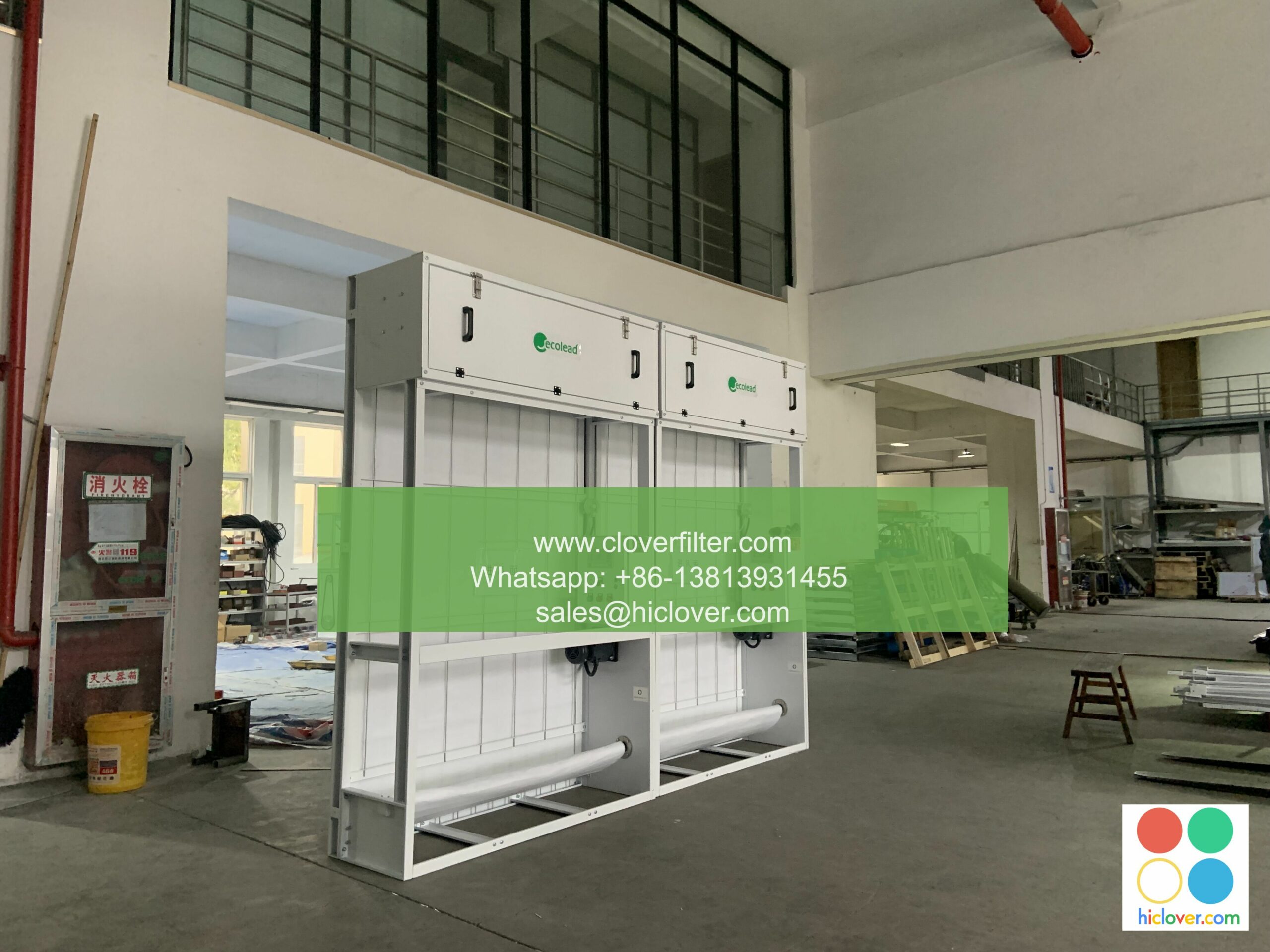
In the complex environment of naval facilities, the importance of maintaining optimal air quality and effective ventilation cannot be overstated. Automatic filters play a crucial role in enhancing the efficiency of ventilation systems, ensuring that air quality meets the stringent demands of various operational scenarios.
Understanding Automatic Filters

Automatic filters are advanced filtration systems designed to continuously monitor and adjust their functionality. They are essential for:
- Removing contaminants from the air
- Improving energy efficiency
- Reducing maintenance requirements
Key Applications of Automatic Filters in Naval Facilities
1. Engine Room Ventilation

Naval ships produce substantial amounts of heat and exhaust gases, making effective engine room ventilation critical. Automatic filters help in maintaining a cleaner environment by:
- Filtering out soot and particulate matter
- Reducing fire risks associated with flammable particles
2. Living Quarters Air Quality
The living spaces on naval vessels require high air quality standards. Automatic filters in ventilation systems contribute to improving indoor air quality by:
- Eliminating odors and airborne pathogens
- Maintaining comfortable humidity levels
3. Tactical Operations and Specialized Environments
In tactical operations, clean air is vital for the performance of electronic equipment and personnel health. Automatic filters are integral in:
- Creating clean air environments for sensitive equipment
- Providing CBRN (Chemical, Biological, Radiological, Nuclear) protection by filtering harmful agents
Benefits of Implementing Automatic Filters
Integrating automatic filters into ventilation systems can lead to significant improvements in overall system performance:
- Enhanced Air Quality: Continuous monitoring ensures that air quality remains above critical thresholds, safeguarding crew health.
- Energy Efficiency: Automatic adjustments lead to reduced energy consumption, making operations more cost-effective.
- Reduced Downtime: With lower maintenance needs, naval facilities can operate more efficiently and remain mission-ready.
Challenges and Considerations
While the benefits are substantial, the deployment of automatic filters in naval facilities isn’t without challenges:
- High initial installation costs
- Need for regular calibration and software updates
- Requirement for specialized training for personnel
Conclusion
In summary, automatic filters are a critical component in enhancing the performance of ventilation systems in naval facilities. By ensuring optimal air quality, reducing maintenance needs, and enhancing energy efficiency, they directly contribute to the operational readiness of naval assets. As technology continues to evolve, the integration of advanced filtration solutions will remain a key focus for future naval operations.
It looks like you might be looking for a prompt for writing or generating ideas. Could you specify what kind of prompt you’re interested in? For example, do you want a creative writing prompt, a dialogue prompt, a project idea, or something else? Let me know, and I’d be happy to help!
