Automatic Roll Air Filters in Ontario Cleanrooms: A Study on Airflow Patterns and Air Distribution
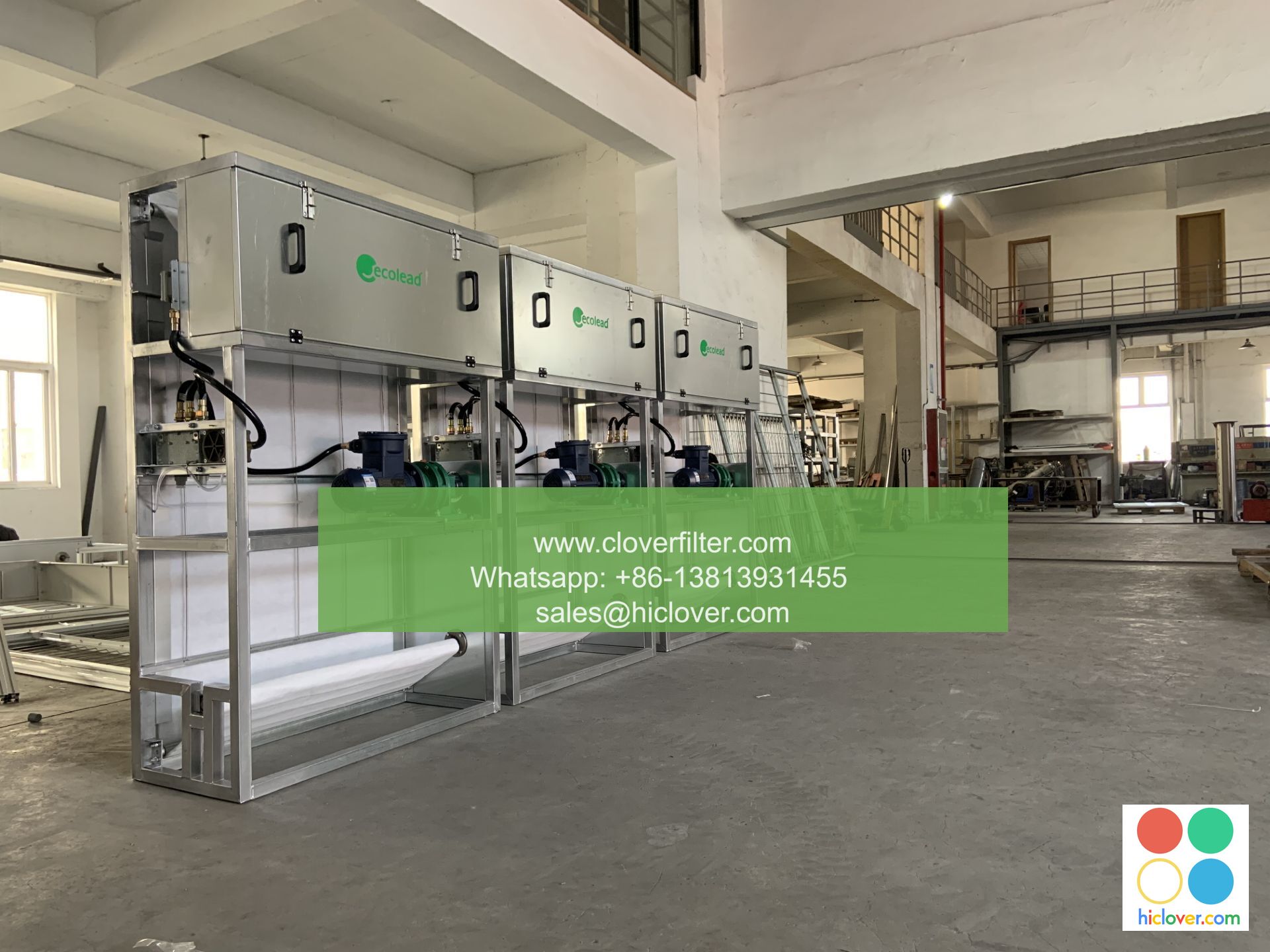
In the complex environments of cleanrooms, maintaining stringent air quality and control is essential. Cleanrooms are used in industries such as pharmaceuticals, electronics, and biotechnology, where airborne particulate contamination can lead to significant product failures. One of the emerging solutions to improve air quality and distribution in these spaces is the use of automatic roll air filters. This article explores the role of these filters in Ontario cleanrooms, analyzing airflow patterns and distribution effectiveness.
Understanding Cleanroom Air Quality Requirements
Cleanrooms are classified according to the number of particles permissible per cubic meter of air. The most common classifications range from ISO 1 (the cleanest) to ISO 9. To meet these standards, cleanroom operators must continuously monitor and control airborne particulates.
Air filters serve as the first line of defense against contamination. Traditional filter systems frequently lead to issues such as uneven air distribution and filter clogging, necessitating frequent maintenance and potential downtime. Here, automatic roll air filters offer a promising alternative.
How Automatic Roll Air Filters Work
Automatic roll air filters consist of a roll of filter media that is automatically dispensed and trimmed to fit various cleanroom environments. These systems can efficiently replace dirty filters, reducing human intervention and minimizing the risk of contamination during maintenance.
The mechanism is simple yet effective—the filter rolls out, and a sensor detects when a filter needs replacement. Such automation not only ensures consistent filtration but also optimizes labor resources and reduces operational costs.
Airflow Patterns in Cleanrooms
The performance of automatic roll air filters largely depends on how they affect airflow patterns. In cleanrooms, airflow must be uniform to prevent contamination hotspots. Studies indicate that properly installed roll filters can distribute air evenly across the cleanroom space, thus enhancing air turnover rates without creating turbulence.
Airflow patterns are typically characterized by either laminar or turbulent flow, with laminar being the preferred method in most cleanroom environments. Research conducted in various Ontario cleanrooms demonstrates that automatic roll filters enhance the laminar airflow, resulting in effective contaminant removal and improved overall air quality.
Case Studies and Data Analysis
Recent analyses in Ontario cleanrooms have revealed measurable improvements in air quality metrics since switching to automatic roll air filters. For instance, a pharmaceutical company reported a 40% decrease in airborne particulates following the installation of a new automatic filtration system. Similar studies found that these systems can reduce the frequency of filter changes by up to 30%, translating into significant cost savings and less downtime.
Conclusion
The adoption of automatic roll air filters in Ontario’s cleanrooms represents a significant advancement in air quality management. These systems not only deliver efficient filtration but also enhance operational efficiency by automating the filter change process. As cleanroom requirements continue to evolve, ensuring a consistent and high-quality airflow will remain paramount. Ongoing studies and real-world implementations will likely continue to validate the efficacy of automatic roll air filters in maintaining the integrity of cleanroom environments.
FAQs
- What are automatic roll air filters?
They are filtration systems that automatically dispense and replace filter media in cleanrooms to maintain air quality. - How do they improve air distribution?
They ensure uniform airflow patterns, reducing contamination hotspots and enhancing air turnover rates. - Are they more cost-effective than traditional filters?
Yes, they can reduce filter change frequency and labor costs, leading to overall operational savings. - What industries benefit from these filters?
Pharmaceutical, biotechnology, and electronics industries are among the primary beneficiaries of automatic roll air filters. - How often should air filters be changed?
While frequency varies based on usage and cleanroom class, automatic systems can reduce change intervals compared to traditional filters.
