Enhancing Air Quality: The Role of Roll Intake Filters in Cement Terminals
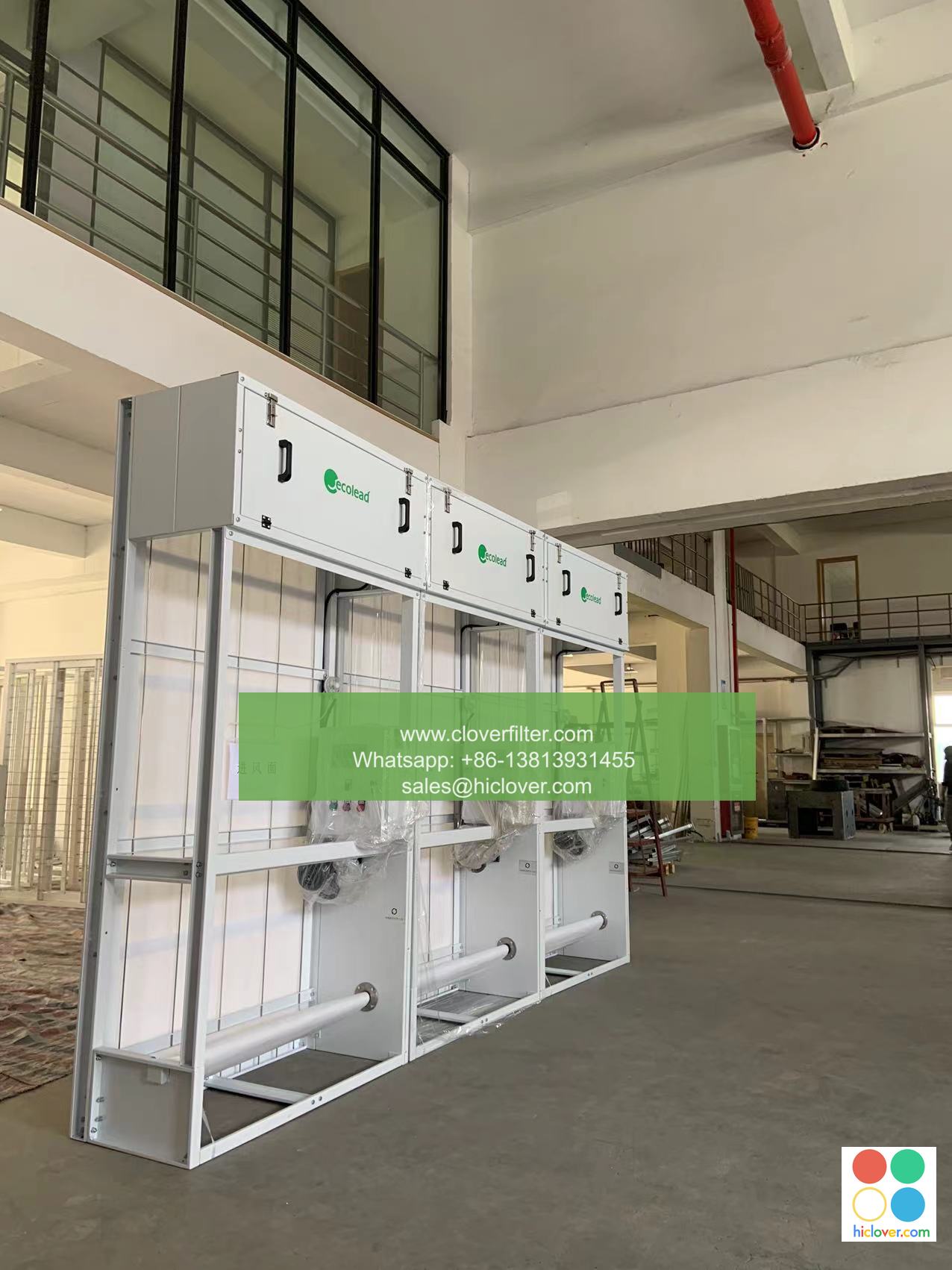
In the contemporary industrial landscape, maintaining air quality is paramount, especially in sectors with a significant environmental footprint, such as cement manufacturing. One of the most effective technologies employed to combat air pollution in cement terminals is the use of roll intake filters. These advanced filtration solutions are essential in promoting sustainable operations and improving indoor and outdoor air quality.
Understanding Roll Intake Filters

Roll intake filters are specially designed filtration systems that capture particulates and contaminants from the air before they enter crucial operational areas. Their design allows for a high air flow rate while effectively reducing particulate emissions, making them ideal for high-demand industrial environments such as cement terminals.
The Importance of Air Quality in Cement Terminals
Cement terminals are integral to the construction industry, managing the storage, grinding, and shipping of cement. However, these operations can generate significant dust and airborne pollutants. Poor air quality in and around cement terminals can have adverse effects on worker health, the environment, and compliance with regulatory standards. Implementing roll intake filters significantly mitigates these risks.
Enhancing Operational Efficiency
By filtering out harmful particulates and contaminants, roll intake filters not only improve air quality but also enhance operational efficiency. Clean air minimizes the accumulation of dust in equipment, reducing maintenance costs and downtime. Additionally, efficient air filtration can lead to better performance levels in cement terminal operations.
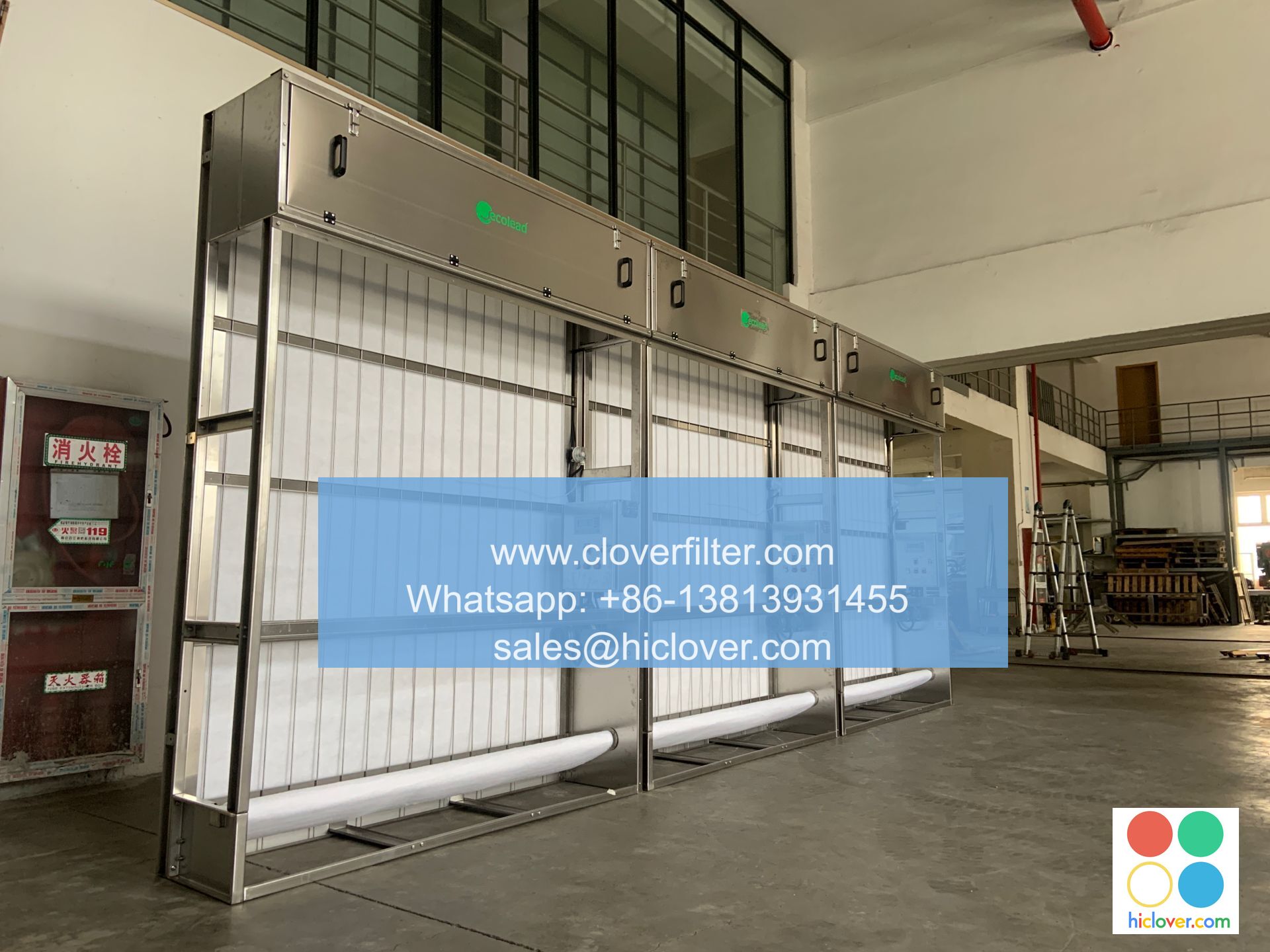
Application Areas of Roll Intake Filters in Cement Terminals
Roll intake filters find various applications within cement terminals, effectively addressing air quality concerns in multiple facets of operations:
- Material Handling: During the transfer of raw materials and finished cement products, significant dust emissions can occur. Roll intake filters capture these particles, preventing them from dispersing into the air.
- Storage Areas: Cement silos and storage facilities often experience dust buildup. Implementing roll intake filters helps maintain the cleanliness of these spaces while ensuring a healthy environment for workers.
- Loading and Unloading: When loading and unloading cement onto transport vehicles, airborne dust released can impact local air quality. Effective filtration systems help to control this issue while executing these critical operations.
Environmental Compliance and Regulatory Standards
As environmental regulations become more stringent, cement terminals must adopt technologies that comply with air quality standards. Roll intake filters can help facilities meet or exceed EPA and local government regulations, ultimately contributing to a cleaner environment and enhancing the reputation of the company.
Conclusion: A Sustainable Future for Cement Terminals
Embracing roll intake filters in cement terminals serves as a significant step towards enhancing air quality and promoting sustainable industrial practices. By investing in advanced filtration technology, companies can safeguard the health of their employees, contribute positively to the environment, and ensure compliance with regulatory requirements. As the industry continues to evolve, the role of innovative solutions like roll intake filters will be crucial in paving the way for a greener future in cement manufacturing.
Sure! What would you like the prompt to be about? It could be for a story, an essay, a creative writing exercise, or something else entirely. Please provide more details, and I’ll be happy to help!
