Case Study: The Benefits of Air Filters in Schools
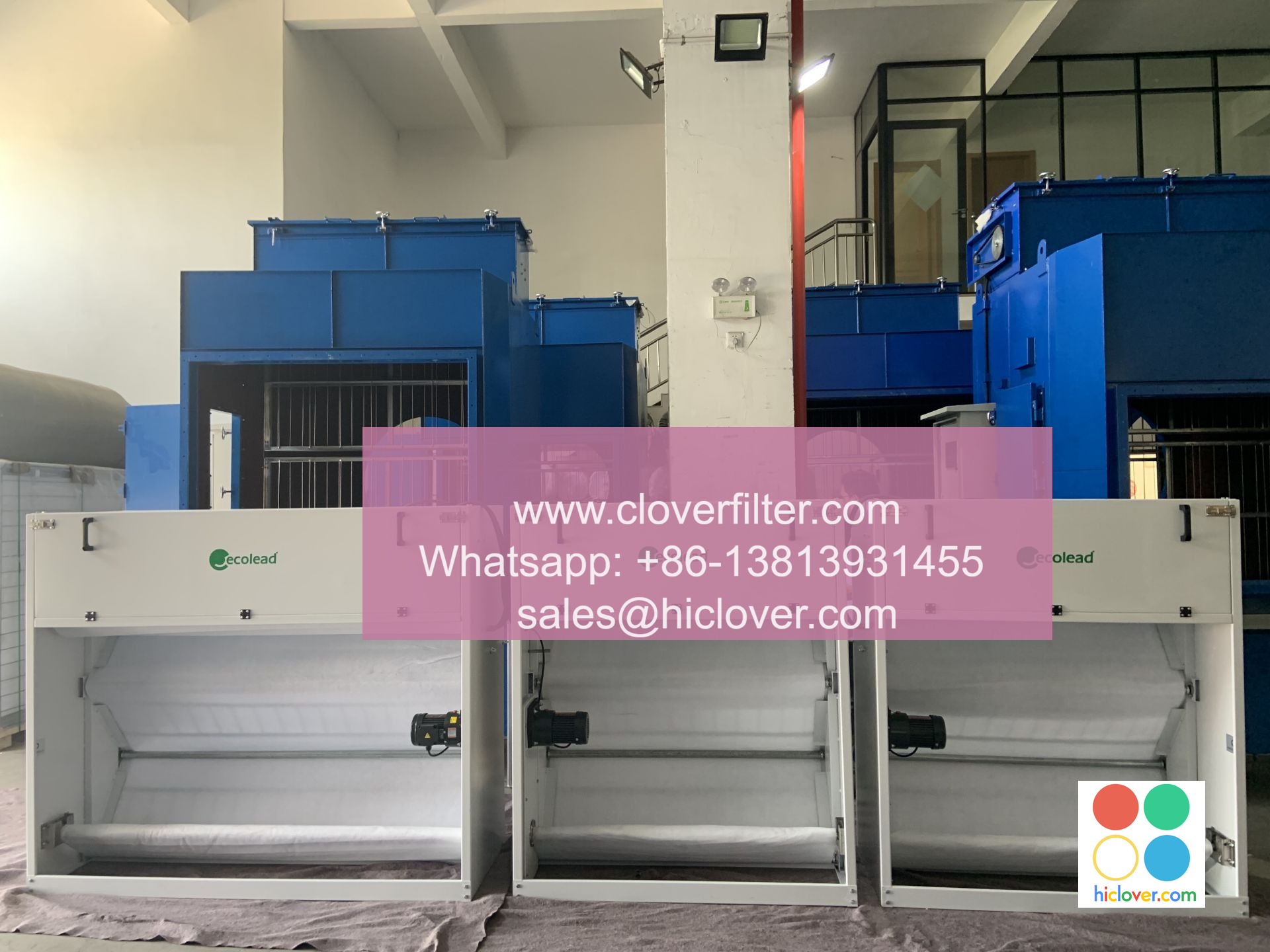
The importance of indoor air quality in schools cannot be overstated. Poor air quality can lead to a range of health problems, from respiratory issues to neurological damage. One effective way to improve indoor air quality is through the use of air filters. In this article, we will explore the benefits of air filters in schools, highlighting various application areas and key technologies.
Introduction to Air Filtration Systems
Air filtration systems are designed to remove particulate matter, gases, and microorganisms from the air. These systems typically consist of a filter medium, such as HEPA filters or activated carbon, which captures pollutants and allergens. By improving indoor air quality, air filtration systems can have a significant impact on the health and well-being of students and staff.
Benefits of Air Filters in Schools
The benefits of air filters in schools are numerous and well-documented. Some of the key advantages include:
* Improved student health: By reducing exposure to airborne pollutants, air filters can help prevent respiratory problems, such as asthma and allergies.
* Increased productivity: Good indoor air quality has been shown to improve cognitive function and concentration, leading to better academic performance.
* Reduced absenteeism: By reducing the spread of illnesses and infections, air filters can help minimize student absenteeism.
* Cost savings: Improved indoor air quality can also lead to reduced maintenance costs and extended equipment life.
Application Areas for Air Filters in Schools
Air filters can be used in a variety of application areas within schools, including:
* Classrooms: Installing air filters in classrooms can help improve indoor air quality and reduce distractions caused by allergies and respiratory issues.
* Administrative offices: Air filters can also be used in administrative offices to improve indoor air quality and reduce stress and fatigue among staff.
* Gymnasiums and sports facilities: Air filters can help remove moisture and odor-causing pollutants from the air, improving indoor air quality and reducing the risk of mold growth.
* Cafeterias and kitchens: Air filters can help remove cooking fumes and grease particles from the air, improving indoor air quality and reducing the risk of fires.

Key Technologies and Innovations
There are several key technologies and innovations that are being used to improve air filtration systems in schools, including:
* HEPA filters: High-efficiency particulate air (HEPA) filters are capable of capturing 99.97% of particles as small as 0.3 microns, making them an effective solution for removing pollutants and allergens from the air.
* Activated carbon filters: Activated carbon filters are designed to capture gases and odors, making them an effective solution for removing volatile organic compounds (VOCs) and other airborne pollutants.
* Smart air filtration systems: Some air filtration systems are equipped with sensors and monitors that can detect changes in indoor air quality and adjust the filtration system accordingly.
Conclusion
In conclusion, the benefits of air filters in schools are clear. By improving indoor air quality, air filters can have a significant impact on the health and well-being of students and staff. With a range of application areas and key technologies available, schools can choose the air filtration system that best meets their needs. Whether you’re looking to improve student health, increase productivity, or reduce maintenance costs, air filters are a worthwhile investment for any school. It seems like you’re ready to start a conversation or ask a question, but you haven’t provided a specific prompt yet. Could you please provide more details or clarify what you’re looking for? I’m here to help with any questions or topics you’d like to discuss.
