Nestlé Canada’s Approach to Air Quality Management: Automatic Roll Air Filters in Clean Process Zones
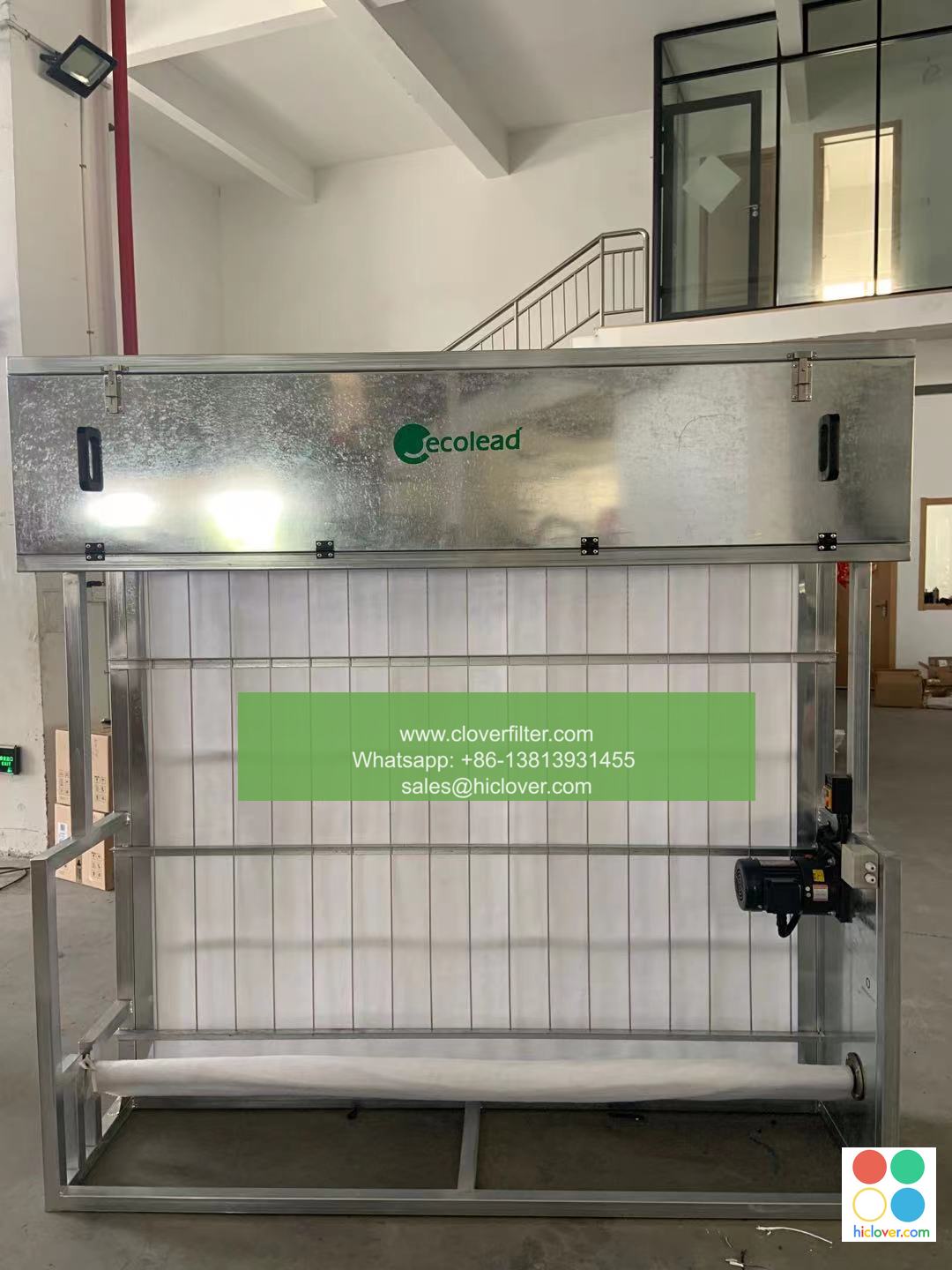
Nestlé Canada, a leading food and beverage company, has implemented a comprehensive approach to air quality management in its clean process zones. The company has chosen to install automatic roll air filters, which provide a high level of filtration efficiency and are designed to capture airborne contaminants, including particulate matter (PM), volatile organic compounds (VOCs), and microorganisms. This article will highlight the application areas of automatic roll air filters in clean process zones and discuss the benefits of using this technology in the food and beverage industry.
Introduction to Automatic Roll Air Filters
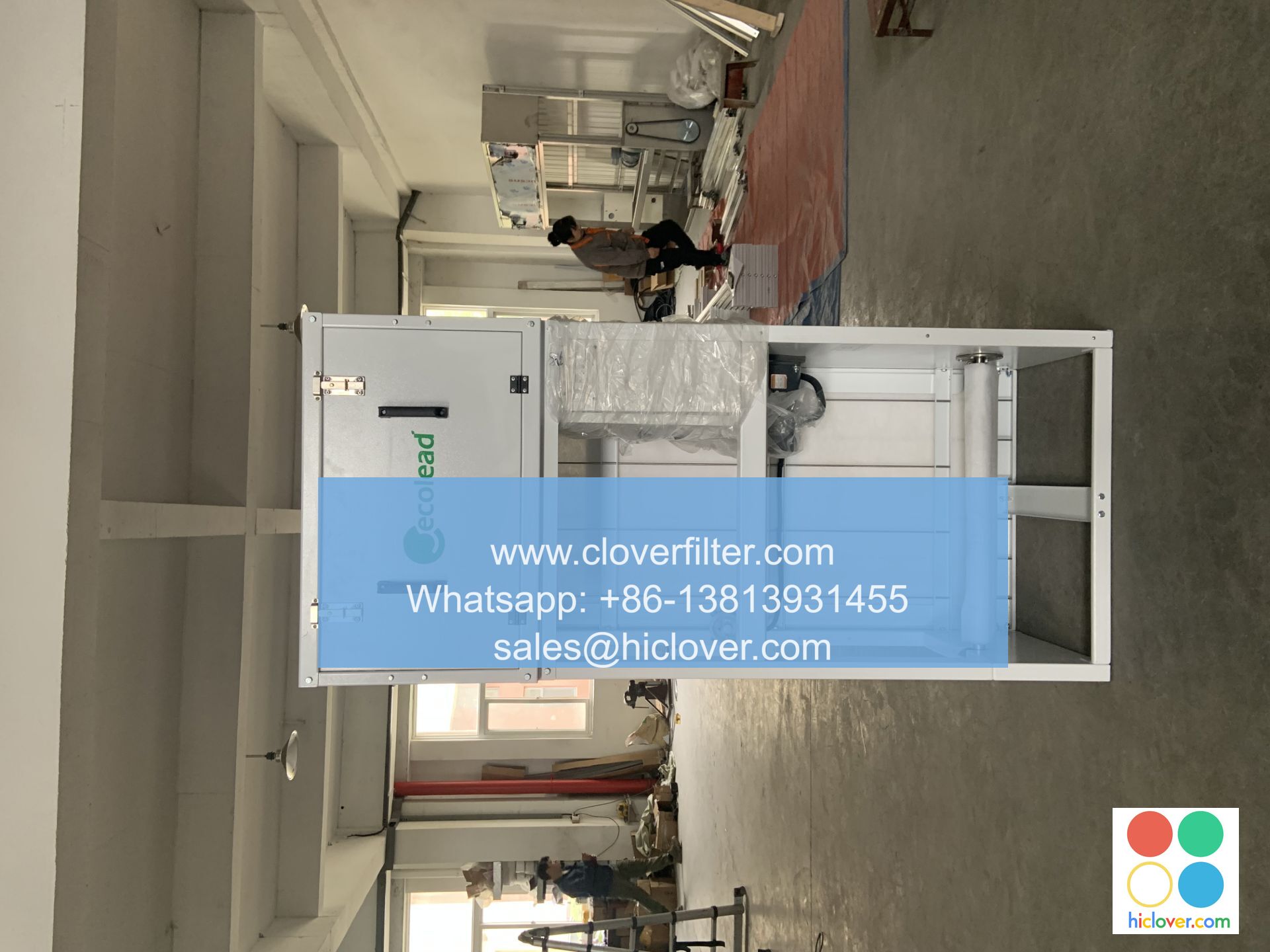
Automatic roll air filters are a type of air purification system that uses a continuous roll of filter media to capture airborne contaminants. The filters are designed to be self-cleaning, with the dirty filter media being automatically rewound and replaced with clean media. This ensures that the air quality in the clean process zone remains consistently high, with minimal maintenance required.
Application Areas in Clean Process Zones
Nestlé Canada has installed automatic roll air filters in various clean process zones, including:
* Dairy processing areas: to prevent contamination of milk and dairy products with airborne bacteria and spores
* Food packaging areas: to prevent contamination of packaged food products with airborne particles and microorganisms
* Bakery and confectionery areas: to prevent contamination of baked goods and confectionery products with airborne flour dust and sugar particles
* Pharmaceutical areas: to prevent contamination of pharmaceutical products with airborne particulate matter and microorganisms
Benefits of Automatic Roll Air Filters
The use of automatic roll air filters in clean process zones offers several benefits, including:
* Improved air quality: by capturing airborne contaminants and preventing them from entering the clean process zone
* Increased productivity: by minimizing downtime and reducing the need for manual cleaning and maintenance
* Reduced energy costs: by using a continuous roll of filter media, which reduces the need for frequent filter replacements
* Enhanced product quality: by preventing contamination of products with airborne particles and microorganisms
Conclusion
Nestlé Canada’s approach to air quality management in clean process zones has been successful in reducing airborne contaminants and improving product quality. The use of automatic roll air filters has proven to be an effective solution for capturing particulate matter, volatile organic compounds, and microorganisms in various application areas, including dairy processing, food packaging, bakery and confectionery, and pharmaceutical areas. By highlighting the benefits and application areas of automatic roll air filters, this article aims to promote the adoption of this technology in the food and beverage industry and contribute to the improvement of air quality management practices.
