Cleanroom Air Quality Control: The Benefits of Automatic Roll Air Filters at UC Berkeley
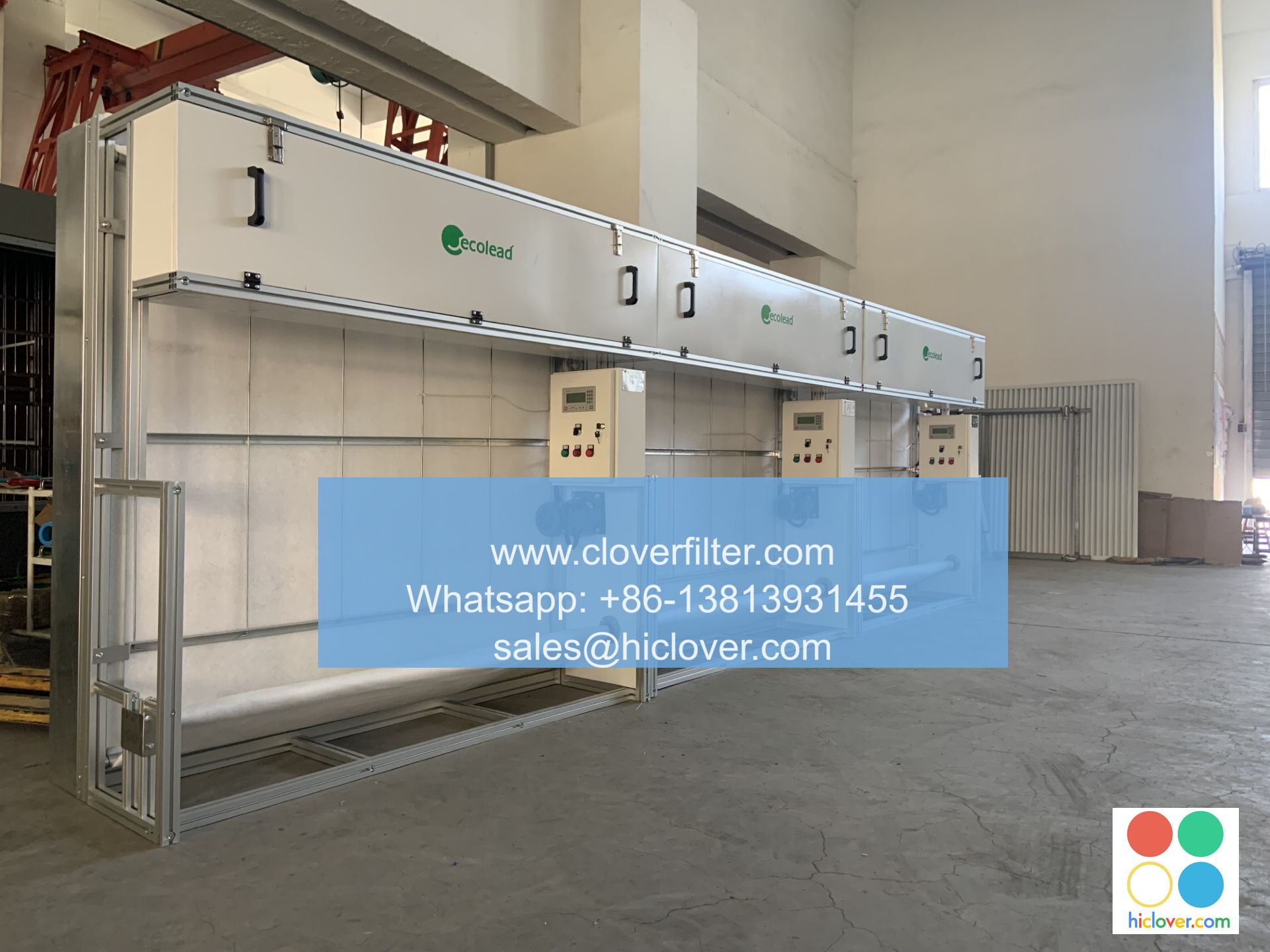
The University of California, Berkeley (UC Berkeley) is a hub for innovative research and technology, with various laboratories and cleanrooms requiring precise control over air quality. In such environments, maintaining optimal air purity is crucial to prevent contamination and ensure the accuracy of sensitive experiments. One effective solution for achieving cleanroom air quality control is the implementation of automatic roll air filters. In this article, we will explore the benefits of these filters and their applications in various fields.
##
Introduction to Cleanroom Air Quality Control
Cleanrooms are controlled environments designed to minimize airborne contamination and maintain a stable temperature and humidity level. The air quality in these rooms is critical, as even the smallest particles can compromise the integrity of experiments and products. Cleanroom air quality control involves the use of advanced filtration systems, including HEPA (High Efficiency Particulate Air) filters and ULPA (Ultra Low Penetration Air) filters, to remove particulate matter and other contaminants from the air.
##
Benefits of Automatic Roll Air Filters
Automatic roll air filters are a type of filtration system that offers several advantages over traditional filters. These benefits include:
* Improved air quality: Automatic roll air filters can capture particles as small as 0.1 microns, ensuring that the air in the cleanroom is ultra-clean and free from contaminants.
* Increased efficiency: These filters are designed to operate continuously, providing a consistent flow of filtered air and minimizing downtime.
* Reduced maintenance: With automatic roll air filters, the need for manual filter replacement is eliminated, reducing labor costs and minimizing the risk of human error.
* Cost savings: By extending the life of the filters and reducing the need for replacement, automatic roll air filters can help lower operational costs.
##
Applications of Automatic Roll Air Filters
The benefits of automatic roll air filters make them an ideal solution for various applications, including:
* Pharmaceutical manufacturing: Where cleanroom air quality control is critical to prevent contamination and ensure the quality of pharmaceutical products.
* Microelectronics production: In this field, ultra-clean air is required to prevent damage to sensitive components and ensure the accuracy of manufacturing processes.
* Biotechnology research: Automatic roll air filters can help maintain optimal air purity in biotechnology laboratories, where even the smallest particles can compromise the integrity of experiments.
* Nanotechnology development: The use of automatic roll air filters can ensure that the air in nanotechnology laboratories is ultra-clean and free from contaminants, which is essential for the development of nanoscale materials and devices.
##
Conclusion
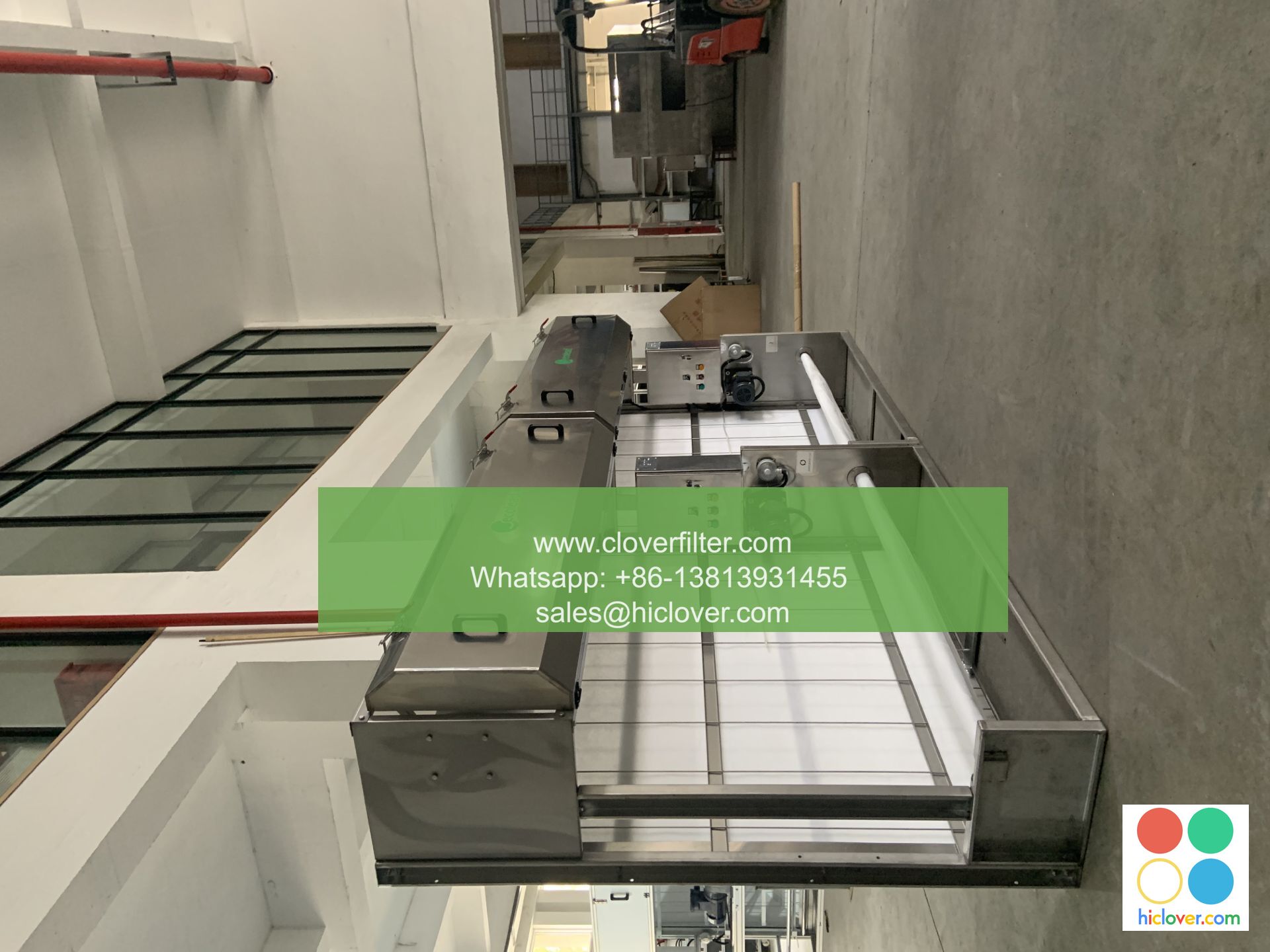
In conclusion, automatic roll air filters are a valuable tool for achieving cleanroom air quality control at UC Berkeley and other research institutions. By providing improved air quality, increased efficiency, and reduced maintenance, these filters can help minimize the risk of contamination and ensure the accuracy of sensitive experiments. With their applications in various fields, including pharmaceutical manufacturing, microelectronics production, biotechnology research, and nanotechnology development, automatic roll air filters are an essential component of any cleanroom air quality control system.
